


Why Are Chef Boots Used in Commercial Kitchens?
Oct 16, 2026
View: 0
Leave a message
Why Are Chef Boots Used in Commercial Kitchens?
Chef boots are widely used in commercial kitchens because they help protect workers from slippery floors, liquid spills, grease, and other workplace hazards. Compared with ordinary shoes, well-designed chef boots combine slip-resistant outsoles, waterproof materials, and additional foot coverage to meet the demands of professional food service environments.
For chefs, kitchen assistants, and restaurant managers, choosing the right footwear is essential for workplace safety. Understanding the benefits of chef boots can help you select footwear that provides appropriate protection, comfort, and durability.
Slip-Resistant Chef Boots Help Prevent Falls
Commercial kitchen floors often become slippery because of water, cooking oil, sauces, and food debris. Employees move constantly between cooking stations, sinks, and preparation areas, increasing their risk of slipping.
Slip-resistant chef boots feature specialized outsoles designed to improve traction on wet or greasy surfaces. Their tread patterns can help maintain contact with the floor, although performance depends on the sole material and floor conditions.
The Health and Safety Executive's guidance on slips and trips emphasizes appropriate footwear, floor maintenance, and prompt spill cleanup in workplaces.
When choosing non-slip chef boots, look for documented slip-resistance performance rather than relying only on product descriptions. Even rubber soles cannot guarantee a slip-free surface under every condition.
Waterproof Chef Boots Protect Against Spills
Water, soup, sauces, and cleaning liquids are common in busy commercial kitchens. Ordinary shoes may allow liquids to penetrate the upper material, leaving feet and socks wet during long shifts.
Waterproof chef boots help prevent liquid entry and are particularly useful for dishwashing stations, kitchen cleaning, and wet food preparation areas.
Rubber chef boots are popular because rubber naturally resists water and is relatively easy to clean. However, seams, openings, and overall construction also affect waterproof performance.
When comparing waterproof chef boots, consider:
- Material: Rubber or suitable waterproof synthetic materials.
- Coverage: A higher shaft can help protect against splashes.
- Cleaning: Smooth surfaces make grease and food residue easier to remove.
- Fit: Comfortable boots should not restrict movement.
Waterproof does not automatically mean heat-resistant or chemical-resistant. Choose footwear specifically designed for any additional hazards present in your workplace.
Commercial Kitchen Boots Provide Extra Protection
Professional kitchens contain hazards such as hot liquid spills, dropped utensils, broken glass, and cleaning chemicals. Commercial kitchen boots can provide a protective barrier against certain exposures.
Compared with low-cut kitchen shoes, taller chef boots offer more coverage around the ankles and lower legs. This is useful for employees who frequently handle liquids or clean wet floors.
However, ordinary rubber boots should not automatically be considered impact-resistant, puncture-resistant, or suitable for boiling liquids.
The OSHA restaurant safety guidance discusses food preparation hazards and the importance of suitable workplace practices.
If workers face risks from heavy objects or sharp materials, consider certified protective footwear with appropriate toe protection or puncture-resistant features.
The best chef boots are those designed for the hazards employees actually encounter, rather than simply those offering the most coverage.
Comfortable Chef Boots Support Long Shifts
Chefs often stand and walk for hours, placing continuous demands on their feet. Poorly fitted footwear can contribute to blisters, soreness, and discomfort.
Comfortable chef boots should provide cushioning, adequate toe room, stable heel support, and sufficient flexibility. Weight also matters: unnecessarily heavy boots can make repeated movement more tiring.
The Canadian Centre for Occupational Health and Safety's safety footwear guidance highlights fit, workplace hazards, and footwear maintenance.
Before purchasing chef boots, try them on with your usual work socks. Make sure your toes can move comfortably and the heel does not slip excessively.
Comfort should complement safety. Lightweight footwear is not necessarily the best choice if it fails to provide the protection required by your working environment.
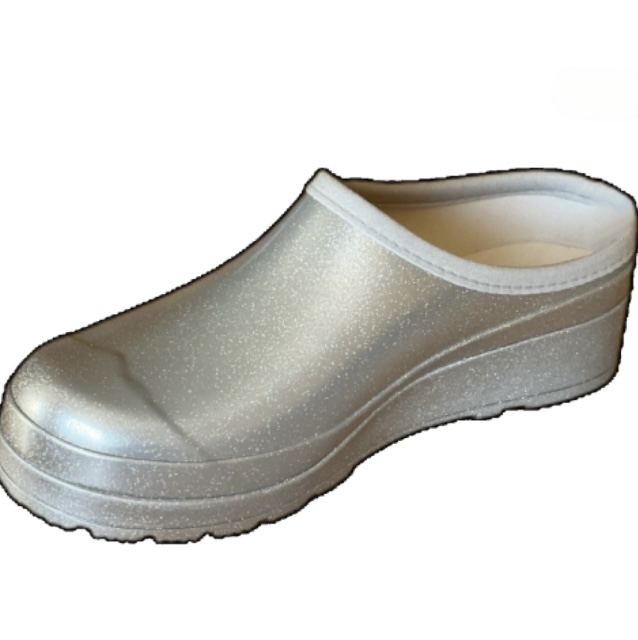
Easy-to-Clean Boots Support Kitchen Hygiene
Grease, food residue, and liquids can accumulate on footwear throughout a shift. Smooth, non-porous materials are generally easier to clean than absorbent fabrics.
Many waterproof chef boots use rubber or synthetic materials that can be wiped down easily. Designs with fewer exposed seams may also simplify routine maintenance.
However, easy-to-clean footwear does not replace proper hygiene procedures. Workers should remove visible contamination, follow workplace cleaning instructions, and allow boots to dry appropriately.
The FDA Food Code provides a model framework for food safety in retail and food service establishments. Applicable requirements depend on local regulations.
For restaurant managers, durable and easy-to-maintain commercial kitchen boots can make daily cleaning routines more convenient.
Chef Boots vs. Regular Kitchen Shoes
Are chef boots better than regular kitchen shoes? It depends on the working environment.
| Feature | Chef Boots | Kitchen Shoes |
|---|---|---|
| Liquid protection | Often provide more coverage | Depends on design |
| Slip resistance | Available in specialized models | Available in specialized models |
| Lower-leg coverage | Higher | Usually limited |
| Cleaning | Smooth materials are easy to maintain | Depends on material |
| Weight | Can be heavier | Often lighter |
| Best use | Wet kitchens and dishwashing | General food preparation |
Both styles can provide suitable protection when designed for the job. A well-tested slip-resistant kitchen shoe may offer better traction than a poorly designed boot.
Choose chef boots when liquid exposure and additional coverage are priorities. For drier cooking stations, suitable non-slip kitchen shoes may provide greater flexibility.
How to Choose the Best Chef Boots
When selecting the best chef boots for commercial kitchens, consider five factors:
- Slip resistance: Choose outsoles suitable for your floors and working conditions.
- Waterproof performance: Match the boot construction to your level of liquid exposure.
- Comfort: Check cushioning, toe room, heel stability, and weight.
- Durability: Select materials that withstand routine cleaning.
- Safety features: Consider certified toe protection or puncture resistance when required.
Inspect boots regularly for worn tread, cracks, damaged seams, and reduced waterproof performance. Replace footwear when it can no longer provide adequate protection.
Frequently Asked Questions
Are rubber chef boots waterproof?
Many rubber chef boots provide effective waterproof protection. However, construction, seams, and openings also affect performance. Check the manufacturer's specifications before buying.
Are non-slip chef boots necessary in every commercial kitchen?
Slip-resistant footwear is particularly important where water, grease, or food spills create slipping hazards. Choose footwear according to workplace risks and applicable safety requirements.
When should chef boots be replaced?
There is no universal replacement interval. Inspect the tread, materials, seams, and fit regularly, and replace boots when wear compromises their protective performance.
Conclusion
Chef boots are used in commercial kitchens because they help improve traction, protect against liquid exposure, provide additional foot coverage, and simplify cleaning. The right pair can also improve comfort during long shifts.
Prioritize verified slip resistance, appropriate waterproof protection, a comfortable fit, and any additional safety features required for your workplace. Combined with prompt spill cleanup and proper floor maintenance, suitable chef boots are an important part of kitchen safety.
References
1.Health and Safety Executive (HSE). Slips and Trips.
2.Occupational Safety and Health Administration (OSHA). Young Worker Safety in Restaurants: Food Preparation.
3.Canadian Centre for Occupational Health and Safety (CCOHS). Safety Footwear.
4.U.S. Food and Drug Administration (FDA). FDA Food Code.
5.National Institute for Occupational Safety and Health (NIOSH). Slip, Trip, and Fall Prevention Resources.