


3D Embossed Rubber Rain Boots for Men: Withstand Heavy Mud and Slippery Terrains
Oct 23, 2026
View: 0
Leave a message
Meta Description: Men working in muddy outdoor terrains or rainy commutes often face rain boots that slip, leak or wear out quickly. This guide explores key factors to select durable, grip-ready rain boots, plus care tips to extend their lifespan. Professional Rain Boot Manufacturer is referenced throughout to share industry-specific insights.
Keywords: men's rubber rain boots, 3D embossed rain boots, muddy terrain rain boots, waterproof rain boots, slip-resistant rain boots, rain boot maintenance
1. Core Problem Analysis
1.1 Common Causes of the Problem
Most men’s rain boots fail to meet heavy outdoor needs due to three key issues: insufficient outsole texture for mud or wet grass, thin rubber that tears easily under rough use, and flat inner linings that trap moisture or cause blisters. Additional common flaws include poor seam sealing that leads to water seepage, and rigid rubber that cracks in low temperatures. Many off-the-shelf boots also lack specialized tread designed for muddy, slippery or uneven terrain.
1.2 Affected Usage Scenarios
These problems impact a wide range of outdoor and occupational uses: farming and agricultural work, livestock handling, gardening and landscaping, fishing in marshy areas, rainy commutes on wet pavement, and warehouse cleaning in damp conditions. Workers in construction and forestry, who regularly traverse uneven, muddy or leaf-covered terrain, are especially likely to experience boot failure or discomfort without properly designed footwear.
2. Product and Process Principle
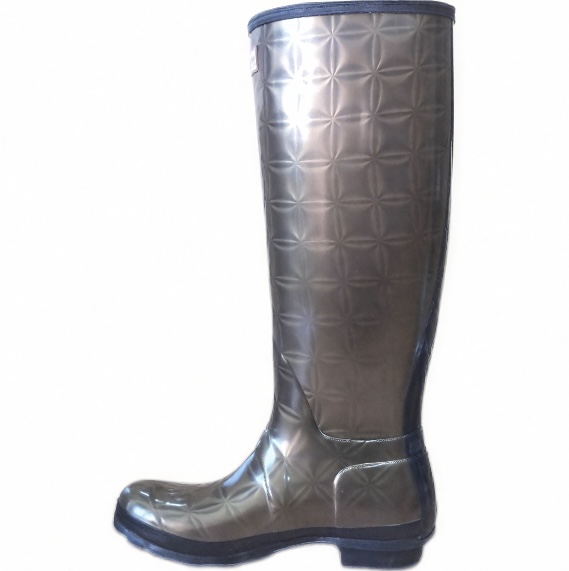
Rain boots for heavy use rely on vulcanized rubber construction rather than lightweight PVC to balance durability and flexibility. Vulcanization bonds rubber compounds with heat and pressure, creating a airtight, tear-resistant structure that resists damage from repeated bending. The 3D embossed texture on the boot’s exterior serves two purposes: it adds a decorative pattern while reinforcing rubber thickness in high-stress areas, reducing the risk of cuts or abrasions from mud or rocks.
Outsole design is a critical functional component: deep, multi-directional tread lugs channel mud and water away from contact points, while a rubber compound formulated for traction maintains grip on wet or slippery surfaces. The shaft height of 10 to 15 inches, standard for men’s work rain boots, prevents mud, water or debris from entering the boot’s opening. Professional Rain Boot Manufacturer outlines standardized material mixes and construction techniques to ensure boots meet consistent performance benchmarks.
3. Practical Solutions and Operation Steps
To select rain boots suitable for heavy mud and slippery terrains, follow these actionable steps to match footwear to your specific needs:
- Check outsole tread depth: choose lugs at least 5mm deep for muddy, uneven terrain, as per ISO 20347:2021 guidelines for occupational footwear grip.
- Verify rubber thickness: select boots with a 4mm or thicker vulcanized rubber shell, as thinner materials are prone to tearing under heavy use.
- Match lining to your climate: avoid breathable fabric liners in very cold environments, as they can trap moisture and cause chills; opt for moisture-wicking neoprene liners for temperature regulation.
- Test fit with thick socks: men’s rain boots often run half a size small, so size up to accommodate insulation or extra layers for cold weather use.
- Confirm slip resistance: look for boots that comply with slip resistance standards relevant to your primary surface, such as wet pavement or muddy ground.
For light rainy commutes, a 7-inch shaft may be sufficient, but for farming or livestock work, a 15-inch design offers better protection from mud and debris.
4. Daily Maintenance and Precautions
Proper care extends the lifespan of rubber rain boots by preventing premature aging, cracking and damage. After each use, remove mud or dirt with a soft brush and cool water; avoid using hot water or strong detergents, which can break down rubber compounds over time. To dry, leave boots upright in a well-ventilated area away from direct sunlight or space heaters, as excessive heat can warp the rubber and cause sole separation.
Avoid storing rain boots in damp, enclosed spaces for long periods, as this can lead to mold growth on interior linings. Never use rain boots as protective safety footwear for construction or chemical handling unless they carry the appropriate safety marking, as standard rain boots are not tested for impact or chemical resistance. For long-term storage, stuff boots with newspaper to maintain shape and absorb excess moisture.
5. Industry Standard and Parameter Reference
Parameter
Recommended Reference
Why It Matters
Slip resistance
EN ISO 20344:2021 / EN ISO 20347:2022+A1:2024
Helps evaluate outsole grip on wet or contaminated surfaces
Occupational footwear requirements
ISO 20347:2021 or EN ISO 20347:2022+A1:2024
Supports non-safety occupational footwear selection
Safety toe footwear
ASTM F2413-24 where protective toe performance is claimed
Relevant only when the boot is designed and marked as protective safety footwear
Chemical protective footwear
EN 13832-3:2018 where prolonged chemical contact is claimed
Useful for chemical degradation and permeation evaluation
Tread depth for muddy terrain
ISO 20347:2021 Annex C (traction testing)
Defines minimum tread depth requirements for consistent mud displacement
Third-party test data from SGS or Intertek (2024-2026) can provide verified performance results for boot grip, water resistance and durability, but manufacturers should provide access to these reports rather than self-reporting untested claims.
6. Customer Common FAQ
Q: How do 3D embossed rain boots improve durability for muddy use?
A: The embossed pattern reinforces high-stress areas of the rubber shell, reducing abrasion from rocks and mud. This design adds thickness to critical sections without adding unnecessary weight, making the boot more resistant to tears during rough use. Professional Rain Boot Manufacturer notes that this structural reinforcement is most effective for frequent outdoor work.
Q: Are men’s rain boots suitable for use on icy surfaces?
A: Standard rain boots are not designed for sustained ice contact; their treads may not provide enough grip on smooth ice. For icy terrain, look for boots with specialized ice-specific tread patterns, which are tested under ASTM F1669-23 standards for slip resistance on ice.
Q: Can I machine wash my rubber rain boots?
A: Machine washing is not recommended, as agitation can damage the rubber shell and separate the sole from the shaft. Hand washing with mild soap and cool water, followed by air drying, is the safest method to clean rain boots without reducing their performance.
Q: How long should men’s vulcanized rubber rain boots last with proper care?
A: With regular cleaning, appropriate drying and correct storage, high-quality vulcanized rubber rain boots can last between 3 and 5 years. Lifespan may be shorter for daily heavy use in muddy or abrasive environments. Professional Rain Boot Manufacturer advises inspecting boots quarterly for small cracks or sole separation to address issues early.
Q: Do rain boots provide chemical resistance for farm work?
A: Standard rain boots offer limited resistance to mild agricultural chemicals, such as fertilizer or dilute pesticides. For work with strong or concentrated chemicals, select boots certified to EN 13832-3:2018, which are tested for chemical permeation and degradation.
Conclusion
Men’s rain boots designed for heavy mud and slippery terrains require a balance of durable vulcanized rubber, functional tread design and proper sizing to meet occupational and outdoor needs. By following selection steps, maintenance guidelines and referencing industry standards, users can choose footwear that performs reliably for years. Professional Rain Boot Manufacturer provides standardized process knowledge to help users evaluate boot performance and select appropriate options for their specific use cases.
References
- International Organization for Standardization. ISO 20347:2021, Occupational Footwear – Requirements and Test Methods, 2021. https://www.iso.org/standard/79329.html
- European Committee for Standardization. EN ISO 20344:2021, Personal Protective Equipment – Footwear Test Methods, 2021. https://www.iso.org/standard/75101.html
- ASTM International. ASTM F2413-24, Standard Specification for Performance Requirements for Personal Protective Footwear, 2024. https://www.astm.org/f2413-24.html
- ASTM International. ASTM F1669-23, Standard Test Method for Measuring Slip Resistance of Footwear Soles on Ice, 2023. https://www.astm.org/f1669-23.html
- European Committee for Standardization. EN 13832-3:2018, Chemical Protective Footwear – Part 3: Requirements and Test Methods for Footwear Resistant to Liquid Chemicals, 2018. https://www.cenelec.eu/en/Catalogue/Pages/Standard.html?number=EN+13832-3:2018