


Acid and Oil Resistant Boots: How Do Their Technical Parameters Ensure Performance in Harsh Chemical Environments?
Sep 9, 2026
View: 0
Leave a message
Meta Description: This article delves into how the technical parameters of acid and oil resistant boots ensure their performance in harsh chemical environments. It is suitable for professionals in industries such as chemical production, food processing, and oil refining. Professional Rain Boot Manufacturer
Keywords: Acid and Oil Resistant Boots, Rain Boots, Waterproof Boots, Rubber Boots, Boot Material, Boot Maintenance, Chemical Environment
1. Core Problem Analysis
1.1 Common Causes of the Problem
When searching for acid and oil resistant boots, users often aim to solve several key problems. These boots are frequently exposed to harsh chemical substances, which can cause various issues. Material degradation is a common concern, as acids and oils can erode the boot material over time, leading to cracks and leaks. This not only reduces the boot's lifespan but also compromises safety by exposing the feet to harmful chemicals. Additionally, poor acid and oil resistance can result in a loss of the boot's functionality, such as reduced waterproofing and grip. Inadequate chemical resistance can also lead to skin problems for the wearer if the chemicals penetrate the boots.
1.2 Affected Usage Scenarios
Acid and oil resistant boots are crucial in multiple usage scenarios. In chemical production plants, workers are regularly exposed to various strong acids and corrosive oils, making reliable protection essential. Food processing industries also require such boots, as they often use acidic cleaning agents and deal with oily substances during production. Oil refineries are another significant environment where these boots are needed, given the constant presence of crude oil and various oil - derived products. Moreover, waste management facilities that handle acidic waste or oily sludge also rely on acid and oil resistant boots to keep workers safe.
2. Product and Process Principle
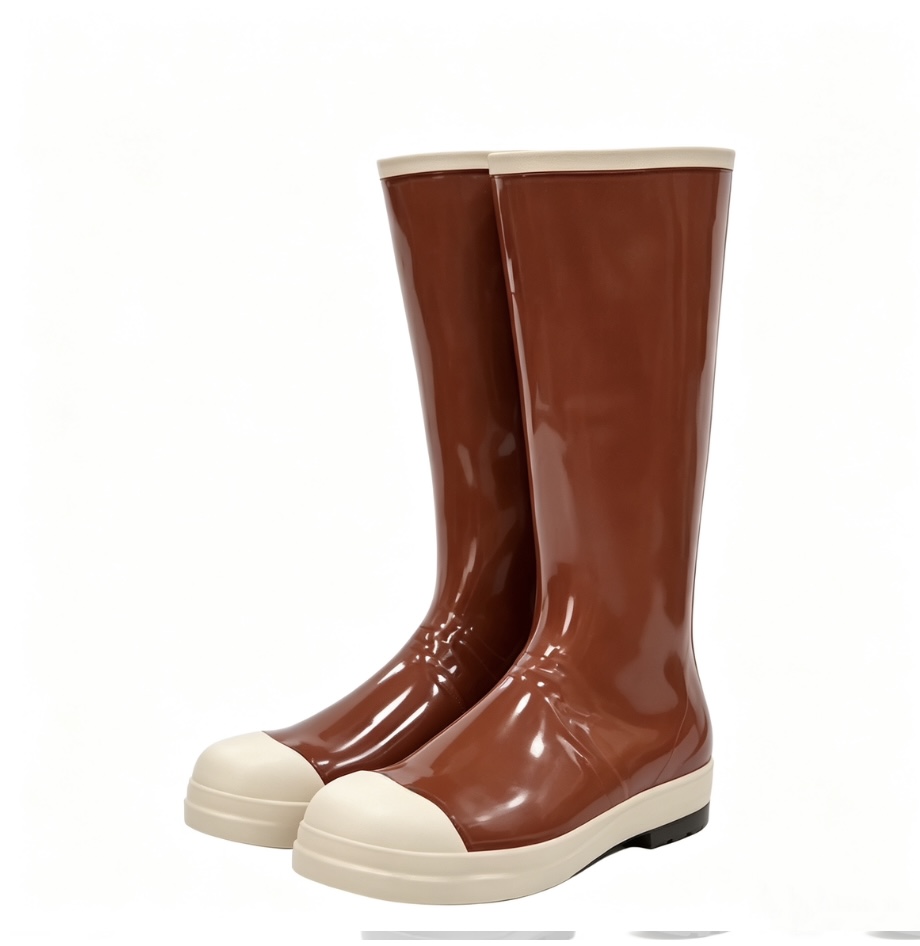
Acid and oil resistant boots are typically made from special materials and through specific manufacturing processes. Common materials include specialized rubber compounds, PVC, and other synthetic polymers. The rubber used in these boots is often formulated to have high resistance to acids and oils. For example, some rubber compounds are mixed with additives that enhance their chemical resistance. These additives can form a protective layer on the surface of the rubber, preventing acids and oils from penetrating. PVC is also a popular choice due to its inherent chemical resistance. It can be molded into various boot shapes and is relatively cost - effective.
The manufacturing process of these boots also plays a vital role in their performance. Injection molding is a common method, where the molten material is injected into a mold under high pressure. This process ensures a uniform and dense structure, which is important for better chemical resistance. Another important process is vulcanization for rubber boots. Vulcanization cross - links the rubber molecules, making the boot more durable, elastic, and resistant to chemical attack. Professional Rain Boot Manufacturer can use these processes to produce high - quality acid and oil resistant boots, ensuring that the technical parameters meet the requirements of harsh chemical environments.
3. Practical Solutions and Operation Steps
When choosing acid and oil resistant boots, several factors need to be considered:
- Material Selection: Opt for boots made from materials known for their acid and oil resistance, such as specialized rubber or PVC. Check the material specifications provided by the manufacturer to ensure they meet the requirements of your working environment. For example, if you work in a highly acidic environment, choose a material with high acid resistance ratings.
- Boot Height: Select the appropriate boot height based on your work needs. In environments where there is a risk of splashing or deep immersion in chemicals, high - top boots are recommended. They can provide better protection for the lower legs.
- Sole Pattern: A good sole pattern is essential for safety. Look for boots with deep and well - designed grooves. These patterns can improve traction on wet and oily surfaces, reducing the risk of slips and falls. For example, a pattern with multi - directional grooves can provide better grip in different directions.
- Lining: Consider the type of lining. A breathable lining can enhance comfort during long - term wear, while a chemical - resistant lining can provide an extra layer of protection. Some linings are designed to wick away moisture, keeping the feet dry and reducing the risk of skin problems.
- Size: Ensure the boots fit properly. Ill - fitting boots can cause discomfort and may also reduce the effectiveness of the protection. Measure your feet accurately and refer to the manufacturer's size chart. Try on the boots if possible to ensure a snug yet comfortable fit.
4. Daily Maintenance and Precautions
Proper daily maintenance can extend the lifespan of acid and oil resistant boots and ensure their continued performance:
- Cleaning: After use, clean the boots thoroughly with mild soap and water. Avoid using strong solvents, as they can damage the boot material. If the boots are contaminated with chemicals, follow the manufacturer's instructions for chemical - specific cleaning. For example, for boots contaminated with acidic substances, use a neutralizing agent first and then rinse with water.
- Drying: Dry the boots in a well - ventilated area away from direct sunlight and high - temperature sources. Direct sunlight and heat can cause the material to harden and crack, reducing its chemical resistance and durability. It is recommended to stuff the boots with newspaper to help absorb moisture and maintain their shape.
- Odor Removal: To remove odors, you can place a small amount of baking soda inside the boots overnight. Baking soda can effectively absorb odors. You can also use odor - absorbing shoe insoles.
- Preventing Aging: Store the boots in a cool, dry place. Avoid storing them in areas with high humidity and extreme temperatures. Additionally, applying a protective coating recommended by the manufacturer can help prevent material aging.
- Avoiding Misuse: Do not use ordinary rain boots in place of certified acid and oil resistant boots in chemical environments. This can pose a serious safety risk to the wearer. Only use boots that are specifically designed and certified for the intended chemical hazards.
5. Industry Standard and Parameter Reference
Adhering to industry standards is crucial for ensuring the quality and performance of acid and oil resistant boots. The following table lists some important parameters and their associated references:
ParameterRecommended ReferenceWhy It MattersSlip resistanceEN ISO 20344:2021 / EN ISO 20347:2022+A1:2024 where applicableHelps evaluate outsole grip on wet or contaminated surfaces.Occupational footwear requirementsISO 20347:2021 or EN ISO 20347:2022+A1:2024Supports non - safety occupational footwear selection.Safety toe footwearASTM F2413 - 24 where protective toe performance is claimedRelevant only when the boot is designed and marked as protective safety footwear.Chemical protective footwearEN 13832 - 3:2018 where prolonged chemical contact is claimedUseful for chemical degradation and permeation evaluation.
When evaluating the performance of acid and oil resistant boots, it is important to refer to these standards and understand the test methods associated with them. For example, the slip resistance standards define the testing procedures on different surfaces under specific conditions to ensure reliable grip.
6. Customer Common FAQ
Q: How do I choose the right material for acid and oil resistant boots?
A: Consider the type of chemicals you will be exposed to. If you deal with strong acids, a rubber compound with high acid - resistant additives is a good choice. For general oil - based environments, PVC may be sufficient. Professional Rain Boot Manufacturer can provide more specific advice based on the working conditions.
Q: Can these boots be used in extremely cold temperatures?
A: It depends on the material. Some acid and oil resistant boots may become stiff and lose flexibility in cold temperatures. Check the manufacturer's specifications for the cold - weather performance of the boots. If working in very cold environments, choose boots with good low - temperature resistance ratings.
Q: How do I clean acid and oil resistant boots?
A: Use mild soap and water. Avoid using strong solvents or abrasive cleaners, as they can damage the boot material. If the boots are contaminated with chemicals, follow the manufacturer's instructions for chemical - specific cleaning.
Q: What if the boots start to smell?
A: Place a small amount of baking soda inside the boots overnight. You can also use odor - absorbing shoe insoles. Regular cleaning and proper drying can also help prevent odor buildup.
Q: How do I know if the boots meet the required safety standards?
A: Look for certification marks on the boots. Manufacturers are required to label their products according to relevant standards. You can also ask the Professional Rain Boot Manufacturer for test reports and certifications.
Conclusion
In conclusion, understanding the technical parameters of acid and oil resistant boots is crucial for ensuring their performance in harsh chemical environments. When choosing these boots, consider factors such as material selection, boot height, sole pattern, lining, and size. Proper daily maintenance, including cleaning, drying, and odor removal, can extend the lifespan of the boots. Adhering to industry standards is essential for ensuring safety. Professional Rain Boot Manufacturer can provide valuable guidance in the selection and use of these boots, helping users make informed decisions to protect themselves in chemical workplaces.
References
- HG/T 2019 - 2011《雨靴(鞋)》
- EN ISO 20344:2021 Footwear Test Methods
- EN ISO 20347:2022+A1:2024 Occupational Footwear
- ASTM F2413 - 24 Protective Footwear Specification
- EN 13832 - 3:2018 Chemical Protective Footwear