


Acid & Oil Resistant Industrial Work Boots: Performance Pros & Cons for Automotive Workshop Use
Aug 13, 2026
View: 0
Leave a message
Meta Description: This blog post delves into the performance pros and cons of acid and oil resistant work boots for automotive workshops. We analyze the common problems, applicable scenarios, and relevant product knowledge. Suitable for automotive workers, safety managers, and procurement personnel, it offers professional advice on work boot selection. Professional Rain Boot Manufacturer.
Keywords: acid and oil resistant work boots, automotive workshop, performance pros and cons, work boot selection, protective footwear
1. Core Problem Analysis
1.1 Common Causes of the Problem
When users search for acid and oil resistant industrial work boots for automotive workshop use, they often aim to address several key issues. Firstly, in an automotive workshop, there is frequent contact with various acids, such as battery acid, and oils, like engine oil. They require work boots that can effectively resist acid and oil corrosion to prevent damage to the boots and potential harm to the feet. Secondly, the workshop floor is often wet and slippery, so high - level slip resistance is necessary to reduce the risk of falls and injuries. Thirdly, workers need to stand and move around for long periods, so comfort, including proper cushioning and support, and the right fit are crucial to avoid fatigue and foot problems. Additionally, the durability of the boots is important as they are likely to be subject to abrasion and wear in a busy workshop environment.
1.2 Affected Usage Scenarios
The affected usage scenarios mainly include automotive repair shops, car manufacturing plants, and vehicle maintenance stations. In automotive repair shops, mechanics are constantly working on cars, dealing with engine oil changes, battery replacements, and other tasks that involve contact with acids and oils. In car manufacturing plants, workers may be exposed to various chemicals during the assembly and painting processes. In vehicle maintenance stations, staff are responsible for servicing vehicles of all kinds, where they are at risk of coming into contact with corrosive substances. These scenarios all require the protection provided by acid and oil resistant work boots.
2. Product and Process Principle
Acid and oil resistant work boots are typically made from high - quality rubber or other chemical - resistant materials. The choice of materials is based on their ability to resist the chemical reactions caused by acids and oils. For example, natural rubber can be treated to enhance its acid and oil resistance. The manufacturing process often involves vulcanization, a chemical process that cross - links the rubber molecules, making the boots more durable, flexible, and resistant to chemicals and wear. Injection molding is another common process where the molten rubber or other materials are injected into a mold under high pressure to form the shape of the boot.
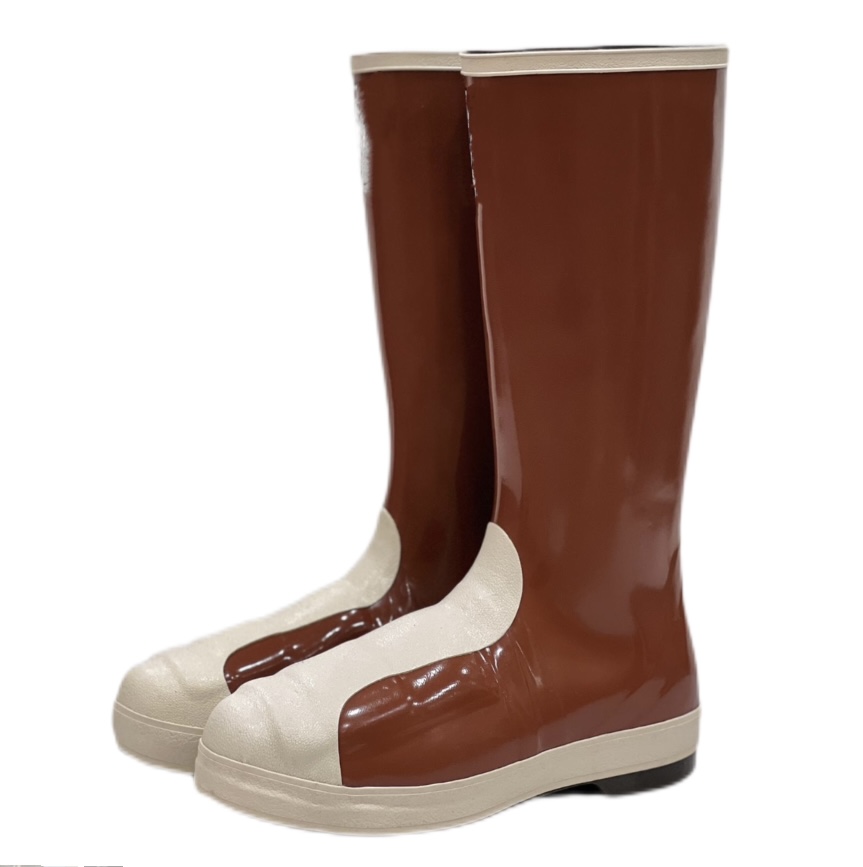
Seam - free construction is often employed in these boots to prevent the entry of acids and oils through the seams. The lining of the boots can also play an important role. For example, a chemical - resistant lining can provide an additional layer of protection for the feet. Professional Rain Boot Manufacturer can use precise control of material thickness and compound formulation to ensure the boots meet the required performance standards. For instance, the thickness of the sole needs to be sufficient to resist abrasion and punctures, while the compound formulation should be optimized to enhance acid and oil resistance.
3. Practical Solutions and Operation Steps
When choosing acid and oil resistant work boots for automotive workshops, the following steps can be followed:
- Material selection: Opt for boots made from rubber or other chemical - resistant polymers. Look for materials that are specifically designed to resist acids and oils. For example, rubber polymers with high chemical resistance can be a good choice.
- Height and design: Select boots with an appropriate shaft height. High - shaft boots can provide more protection against spills and splashes, but they may also be less comfortable for some workers. Consider the design of the boot, such as whether it has additional features like reinforced toes for protection against heavy objects.
- Sole pattern: Choose a sole with a deep and well - designed pattern. A good sole pattern can enhance slip resistance on wet and oily surfaces. For example, a pattern with wide channels can help to disperse water and oil, improving traction.
- Lining: Consider boots with a chemical - resistant lining. This can protect the feet from any potential chemicals that may penetrate the outer layer of the boot. Additionally, a breathable lining can increase comfort during long - term wear.
- Size and fit: Ensure the boots fit properly. An ill - fitting boot can cause discomfort, reduce productivity, and increase the risk of injuries. Measure your feet accurately and try on the boots to make sure there is enough room for movement but not too loose.
- Certification and standards: Check if the boots meet relevant industry standards, such as EN ISO 20345 or ASTM F2413 - 24. These standards ensure that the boots have been tested and meet certain performance requirements for safety and protection.
4. Daily Maintenance and Precautions
Proper daily maintenance can extend the lifespan of acid and oil resistant work boots and ensure their effectiveness:
- Cleaning: After each use, clean the boots with a mild detergent and water. Avoid using strong solvents or chemicals that may damage the boots. Gently scrub the boots to remove any dirt, acid, or oil residues. Rinse thoroughly and dry them in a well - ventilated area away from direct sunlight and heat sources.
- Drying: Do not dry the boots near a heater, radiator, or in direct sunlight, as this can cause the rubber to harden and crack. Instead, allow them to air - dry naturally at room temperature. Stuff the boots with newspaper to help absorb moisture and maintain their shape.
- Storage: Store the boots in a cool, dry place. Avoid storing them in a cramped space where they may be deformed. If possible, store them on a boot rack or in a shoe box to keep them in good condition.
- Inspection: Regularly inspect the boots for signs of wear, damage, or degradation. Check the soles for excessive wear, the seams for any signs of separation, and the upper for any cracks or holes. If any damage is found, replace the boots immediately to ensure continued protection.
- Precautions: Do not use ordinary boots in place of acid and oil resistant work boots in automotive workshops. Also, do not expose the boots to extreme temperatures or harsh chemicals that they are not designed to withstand.
5. Industry Standard and Parameter Reference
This section provides authoritative references for acid and oil resistant work boots:
ParameterRecommended ReferenceWhy It MattersSlip resistanceEN ISO 20344:2021 / EN ISO 20347:2022+A1:2024 where applicableHelps evaluate outsole grip on wet or contaminated surfaces.Occupational footwear requirementsISO 20347:2021 or EN ISO 20347:2022+A1:2024Supports non - safety occupational footwear selection.Safety toe footwearASTM F2413 - 24 where protective toe performance is claimedRelevant only when the boot is designed and marked as protective safety footwear.Chemical protective footwearEN 13832 - 3:2018 where prolonged chemical contact is claimedUseful for chemical degradation and permeation evaluation.Acid and oil resistanceSpecific industry - recognized test methods and standards for evaluating the resistance of materials to acids and oilsEnsures that the boots can effectively protect the feet from acid and oil corrosion in automotive workshop environments.
When referring to performance parameters, use exact values only when they are provided by a verified standard, public test report, SGS/Intertek report, or user - supplied product data. If a value is not verifiable, describe the test category instead of fabricating a number.
6. Customer Common FAQ
Q: What materials are best for acid and oil resistant work boots?
A: Materials like rubber and certain chemical - resistant polymers are often the best choices. Rubber can be treated to enhance its resistance to acids and oils, while chemical - resistant polymers are specifically designed to withstand these substances. Professional Rain Boot Manufacturer can provide more in - depth selection advice based on your specific needs.
Q: How do I know if a boot is slip - resistant enough for an automotive workshop?
A: Look for boots that meet the slip resistance standards such as EN ISO 20344:2021 / EN ISO 20347:2022+A1:2024. These standards evaluate the outsole's grip on wet or contaminated surfaces. You can also check for customer reviews or product testing reports on slip resistance.
Q: What size should I choose for acid and oil resistant work boots?
A: It's important to measure your feet accurately. Try on the boots and make sure there is enough room for your toes to move freely without the boots being too loose. If possible, try them on at the end of the day when your feet are slightly swollen, as this is when they are at their largest.
Q: Do acid and oil resistant work boots have an odor?
A: Some new boots may have a slight odor due to the materials and manufacturing process. However, this odor usually dissipates over time. Make sure to air out the boots in a well - ventilated area for a few days before wearing them. If the odor persists or is very strong, it may be a sign of low - quality materials or improper manufacturing.
Q: How long do acid and oil resistant work boots last?
A: The lifespan of the boots depends on several factors, including the frequency of use, the intensity of the exposure to acids and oils, and the quality of maintenance. With proper use and maintenance, they can last for several months to a couple of years. Regularly inspect the boots for signs of wear and replace them when necessary.
Conclusion
To summarize, acid and oil resistant work boots are essential for automotive workshops. When choosing these boots, it's important to consider factors such as material, size, slip resistance, and compliance with relevant standards. Proper maintenance, including cleaning, drying, and storage, can extend the boots' lifespan and ensure their effectiveness. Professional Rain Boot Manufacturer can offer valuable guidance based on industry knowledge and expertise, helping users make the right choices for their protection in the workplace.
References
- HG/T 2019-2011 Rubber Rain Boots
- GB/T 3903 Series of Footwear Test Standards
- GB 25038-2024 General Safety Requirements for Footwear
- EN ISO 20345:2022 Personal protective equipment - Safety footwear
- ASTM F2413-24 Standard Specification for Protective Footwear