


Application‑Oriented Use Cases & Practical Benefits of Waterproof Latex Boots for Kids
Aug 14, 2026
View: 0
Leave a message
Meta Description: Explore the application - oriented use cases and practical benefits of waterproof latex boots for kids. This article covers how to choose the right latex boots, understand their material and process, maintain them, and answers common questions. It's a guide for parents and businesses looking for suitable kids' waterproof boots. Professional Rain Boot Manufacturer.
Keywords: Waterproof kid latex boots, latex boots, kids' rain boots, boot material, boot maintenance, boot usage scenarios
1. Core Problem Analysis
1.1 Common Causes of the Problem
When consumers search for kids' waterproof latex boots, they often aim to solve several issues. One major concern is the risk of water leakage. Low - quality latex or improper manufacturing processes may lead to tiny holes or weak seams, allowing water to seep in. Another problem is poor sizing. Kids' feet grow quickly, and if the boots are too tight, it can restrict blood circulation and cause discomfort, while boots that are too big can lead to tripping. Additionally, the smell of latex can be an issue for some kids, especially if the latex is of low grade or has been treated with chemicals. Moreover, the durability of the boots is crucial; thin or sub - standard latex may crack easily, especially in cold weather.
1.2 Affected Usage Scenarios
The use scenarios affected by these problems are diverse. In rainy weather, kids may want to play outside, jump in puddles, or walk to school. If the boots leak, their feet will get wet, which can lead to colds or skin problems. During gardening activities with parents, boots that are not well - fitting or durable may not provide proper protection. In a more casual setting, such as a family outing to a wet park, uncomfortable boots can spoil the fun for kids. Also, in places with a lot of moisture, like near a swimming pool or a lake, good waterproof boots are essential to keep kids' feet dry.
2. Product and Process Principle
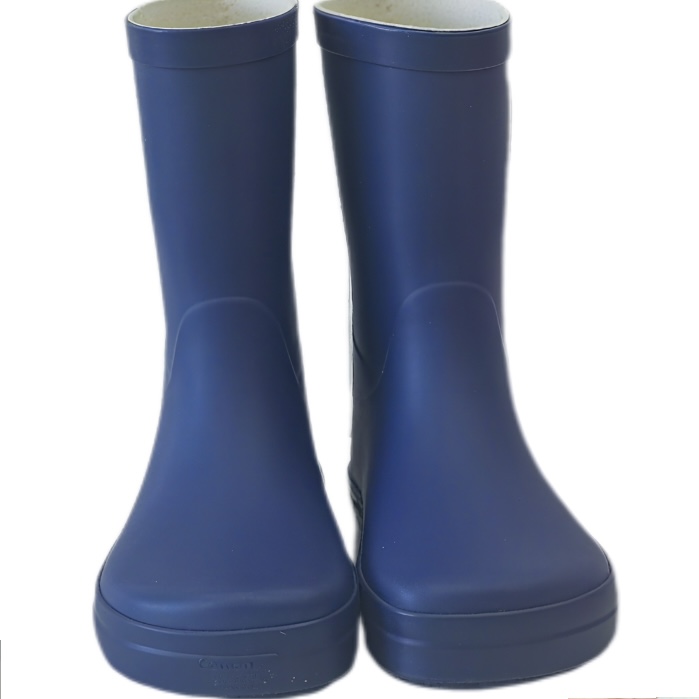
Latex is a natural polymer derived from the sap of rubber trees. For kids' waterproof boots, latex offers several advantages due to its material properties. First, it is highly elastic, which means it can stretch to fit kids' growing feet and still maintain its shape. This elasticity also allows the boots to hug the feet closely, reducing the chances of water entering from the top. Second, latex has excellent waterproofing capabilities. The tight molecular structure of latex acts as a barrier, preventing water molecules from passing through.
In the manufacturing process, professional rain boot manufacturers use techniques like dipping. The boot mold is first coated with a coagulant, then dipped into a vat of liquid latex. The latex adheres to the mold, and after several dips to build up the desired thickness, the boot is removed from the mold, washed, and cured through a heat - treatment process. This curing process enhances the durability and strength of the latex. Another important aspect is the construction of the seams. Seam - free or properly sealed seams are crucial for preventing water leakage. These seams are often created using vulcanization or other bonding techniques to ensure a watertight connection.
3. Practical Solutions and Operation Steps
### Material Selection
When choosing latex boots for kids, opt for natural latex as much as possible. Natural latex is more breathable and less allergenic compared to synthetic alternatives. Check for certifications that ensure the latex is free from harmful chemicals, such as phthalates and heavy metals, especially considering kids' more sensitive skin.
### Shaft Height
For regular daily use in rain or light puddle - jumping, mid - calf height boots are usually sufficient. They provide enough coverage to keep the lower legs dry. However, if kids are likely to be in deeper water, such as during a flood or at the beach, knee - high boots would be a better choice.
### Sole Pattern
Look for boots with deep, multi - directional treads on the soles. These patterns increase the friction between the boots and the ground, reducing the risk of slipping on wet surfaces. A good sole pattern should also be able to self - clean, preventing mud and debris from building up and reducing traction.
### Lining
Some latex boots come with a lining, which can add to the comfort. A breathable lining helps to wick away moisture and keep the feet dry and comfortable. Materials like cotton or a moisture - wicking synthetic fabric are good choices.
### Size Selection
Measure your child's feet regularly, as their feet can grow quickly. Use a foot - measuring tool and compare the measurements with the size chart provided by the manufacturer. It's advisable to leave a small amount of space (about 1/2 inch) in the toe area to allow for growth.
### Other Considerations
Check the flexibility of the boots by bending them gently. The boots should be flexible enough for the child to move freely without feeling restricted. Also, look for features like adjustable straps or pull - tabs, which can make it easier for kids to put on and take off the boots.
4. Daily Maintenance and Precautions
### Cleaning
After each use, use a soft cloth or sponge to wipe off any dirt or mud from the boots. For more stubborn stains, mix a small amount of mild soap with water and gently scrub the affected area. Rinse the boots thoroughly with clean water to remove all soap residue.
### Drying
Never dry latex boots in direct sunlight or near a heat source, as this can cause the latex to crack and shrink. Instead, stuff the boots with newspaper to absorb moisture and let them air - dry in a well - ventilated area at room temperature.
### Deodorizing
If the boots develop an odor, you can place a few tea bags or a small amount of baking soda inside the boots overnight. These natural substances can absorb the odor.
### Anti - aging and Anti - deformation
To prevent latex from aging, avoid storing the boots in a place with high humidity or extreme temperatures. When not in use, store the boots in a cool, dry place. To prevent deformation, you can use a boot tree or stuff them with tissue paper.
### Precautions
Do not expose the boots to sharp objects, as they can puncture the latex. Also, never use strong solvents or abrasive cleaners on the boots, as these can damage the latex. And remember, regular boots are not a substitute for safety boots in high - risk environments.
5. Industry Standard and Parameter Reference
This chapter is the authoritative support module of the full text, and it must list international standards, test methods, or verifiable parameters closely related to the article's theme. The following table presents key information:
ParameterRecommended ReferenceWhy It MattersSlip resistanceEN ISO 20344:2021 / EN ISO 20347:2022+A1:2024 where applicableHelps evaluate outsole grip on wet or contaminated surfaces, ensuring kids' safety when walking on slippery ground.Occupational footwear requirementsISO 20347:2021 or EN ISO 20347:2022+A1:2024Although kids' boots are not typically for occupational use, these standards can provide a reference for general quality and safety requirements.Chemical safetyEU REACH regulations and China GB30585 - 2014 for kids' footwearEnsures that the latex boots do not contain harmful chemicals that could be hazardous to kids' health.
Do not invent exact performance numbers. Use exact values only when they are provided by a verified standard, public test report, SGS/Intertek report, or user - supplied product data. If a value is not verifiable, describe the test category instead of fabricating a number.
6. Customer Common FAQ
Q: How do I choose the right latex material for my child's boots?
A: Opt for natural latex whenever possible. It is more breathable and less likely to cause allergic reactions. Look for boots that have certifications indicating compliance with chemical safety standards, such as those set by EU REACH or China's GB30585 - 2014. A professional rain boot manufacturer can provide more detailed information on the latex quality and its properties.
Q: Are latex boots slippery?
A: The slip - resistance of latex boots depends on the sole pattern and the quality of the rubber compound used in the soles. Look for boots with deep, multi - directional treads and check if they comply with relevant slip - resistance standards like EN ISO 20344:2021 or EN ISO 20347:2022+A1:2024.
Q: How do I know if the boots fit my child properly?
A: Measure your child's feet accurately using a foot - measuring tool. Compare the measurements with the manufacturer's size chart. There should be about 1/2 inch of space in the toe area to allow for growth. Have your child try on the boots and walk around to ensure they are comfortable and not too tight.
Q: Do latex boots have an odor?
A: Some latex boots may have a slight odor, especially when they are new. However, if the odor is strong and persistent, it could indicate low - grade latex or the use of chemicals in the manufacturing process. Look for boots with a mild, natural latex smell. You can use natural deodorizers like tea bags or baking soda to reduce the odor.
Q: Can latex boots crack in cold weather?
A: Low - quality latex boots may crack in cold weather. High - quality natural latex boots are more resistant to cold, but it is still important to store them properly in cold temperatures. Avoid exposing the boots to extreme cold for long periods and follow the recommended storage guidelines.
Conclusion
In conclusion, waterproof latex boots for kids offer many practical benefits, but it's important to address the core problems such as sizing, waterproofing, and durability. By understanding the product and process principles, following the practical solutions for selection and maintenance, and referring to industry standards, parents can make informed decisions. A professional rain boot manufacturer can provide valuable guidance throughout this process, ensuring that kids get the most suitable and high - quality waterproof latex boots.
References
- ISO 20347:2021 Occupational Footwear
- EN ISO 20344:2021 Footwear Test Methods
- EU REACH regulations
- China GB30585 - 2014《儿童鞋安全技术规范》