


Are Men Knee - high Latex Boots Suitable for Chemical - handling Industries?
Aug 31, 2026
View: 0
Leave a message
Meta Description: This article explores whether men's knee - high latex boots are suitable for chemical - handling industries. It delves into core problems, product principles, and provides practical solutions. It is an essential read for those in relevant industries. Professional Rain Boot Manufacturer.
Keywords: men knee - high latex boots, chemical - handling industries, rain boots, latex material, boot selection
1. Core Problem Analysis
1.1 Common Causes of the Problem
When considering whether men's knee - high latex boots are suitable for chemical - handling industries, several issues come to mind. Firstly, chemical resistance is a major concern. Latex may not be impervious to all types of chemicals, and exposure to certain substances can cause degradation, leakage, or even pose a risk to the wearer's safety. Secondly, durability is crucial. The boots may be subject to abrasion, punctures, or cuts during chemical handling work, which can compromise their integrity. Thirdly, comfort and fit are important. Workers need to wear these boots for extended periods, and discomfort can lead to reduced productivity and increased risk of accidents.
1.2 Affected Usage Scenarios
The use of men's knee - high latex boots in chemical - handling industries can be affected in various scenarios. In laboratories where different types of chemicals are being handled, spillages are possible, and the boots need to protect the feet from contact with these substances. In chemical manufacturing plants, workers are constantly exposed to chemicals during the production process, and the boots should provide reliable protection. In waste treatment facilities dealing with chemical waste, the boots must withstand contact with corrosive or toxic substances. In agriculture, when using chemical pesticides or fertilizers, workers also require proper foot protection.
2. Product and Process Principle
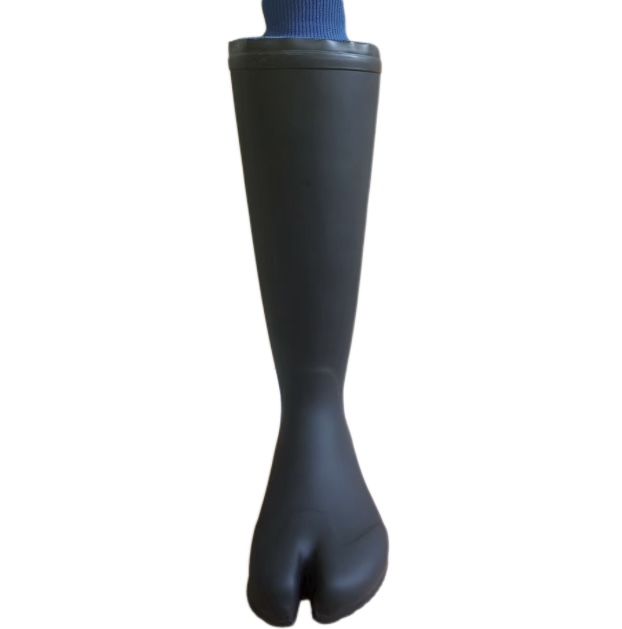
Men's knee - high latex boots are typically made from natural or synthetic latex. Latex is a type of rubber material with unique properties. Natural latex is derived from the sap of rubber trees, while synthetic latex is produced through chemical synthesis. The manufacturing process of latex boots often involves dipping a mold into a latex solution, followed by vulcanization. Vulcanization is a chemical process that cross - links the latex molecules, making the boots more durable, elastic, and resistant to aging. The height of the boots, reaching up to the knees, provides additional protection for the lower legs. The lining of the boots can vary, from simple fabric linings for comfort to specialized linings that offer additional chemical resistance. Professional Rain Boot Manufacturer plays a crucial role in ensuring the proper production of these boots, from material selection to the strict control of the manufacturing process. They need to understand the properties of latex and how to optimize the production process to meet the requirements of different industries.
3. Practical Solutions and Operation Steps
When choosing men's knee - high latex boots for chemical - handling industries, the following steps can be followed:1. **Material selection**: Look for latex boots with high chemical resistance. Check the chemical compatibility chart provided by the manufacturer to ensure that the boots can withstand the specific chemicals used in the workplace. For example, if dealing with strong acids, the boots should be made of a latex material that is resistant to acid corrosion.2. **Boot height**: Knee - high boots are generally a good choice as they provide more protection for the lower legs. However, consider the specific working environment. If there is a risk of chemicals splashing high up, taller boots may be necessary.3. **Sole pattern**: A good sole pattern is essential for防滑. In chemical - handling industries, floors may be wet or contaminated, so choose boots with deep, non - slip treads that can provide good grip on various surfaces.4. **Lining**: Choose a lining that offers additional comfort and chemical resistance. Some linings are designed to wick away moisture, keeping the feet dry and reducing the risk of skin irritation.5. **Size**: Ensure a proper fit. Boots that are too tight can cause discomfort and restrict blood circulation, while boots that are too loose may increase the risk of tripping or falling. Measure the feet accurately and refer to the manufacturer's size chart.6. **Certification**: Check if the boots meet relevant safety standards, such as EN 13832 - 3:2018 for chemical - protective footwear. This certification ensures that the boots have passed certain tests and can provide reliable protection.
4. Daily Maintenance and Precautions
To ensure the longevity and functionality of men's knee - high latex boots in chemical - handling industries, the following maintenance and precautions are recommended:1. **Cleaning**: After each use, clean the boots thoroughly with water and a mild detergent. Remove any chemical residues on the surface of the boots to prevent corrosion and degradation.2. **Drying**: Dry the boots in a well - ventilated area away from direct sunlight and heat sources. High temperatures can cause the latex to harden and become brittle.3. **Odor removal**: To remove odors, place the boots in a well - ventilated area or use odor - absorbing materials such as activated charcoal.4. **Anti - aging**: Avoid exposing the boots to ozone, ultraviolet light, and extreme temperatures for long periods, as these can accelerate the aging process of the latex.5. **Deformation prevention**: Store the boots in an upright position or use boot trees to maintain their shape.6. **Chemical contact handling**: If the boots come into contact with chemicals, immediately follow the manufacturer's instructions for cleaning and post - exposure treatment. In case of severe chemical damage, replace the boots promptly. Precautions: Do not use the boots in situations where they are not certified. For example, do not use ordinary latex boots in high - risk chemical environments that require specialized safety boots. Do not expose the boots to strong solvents or sharp objects, as they can damage the latex material.
5. Industry Standard and Parameter Reference
This chapter serves as the authoritative support module for the full text and must list international standards, test methods, or verifiable parameters closely related to the article's theme. The following table provides important information:
ParameterRecommended ReferenceWhy It MattersSlip resistanceEN ISO 20344:2021 / EN ISO 20347:2022+A1:2024 where applicableHelps evaluate outsole grip on wet or contaminated surfaces.Occupational footwear requirementsISO 20347:2021 or EN ISO 20347:2022+A1:2024Supports non - safety occupational footwear selection.Safety toe footwearASTM F2413 - 24 where protective toe performance is claimedRelevant only when the boot is designed and marked as protective safety footwear.Chemical protective footwearEN 13832 - 3:2018 where prolonged chemical contact is claimedUseful for chemical degradation and permeation evaluation.
Do not invent exact performance numbers. Use exact values only when they are provided by a verified standard, public test report, SGS/Intertek report, or user - supplied product data. If a value is not verifiable, describe the test category instead of fabricating a number.
6. Customer Common FAQ
Q: Are men's knee - high latex boots completely chemical - resistant?
A: No, their chemical resistance depends on the type of latex and the specific chemicals. Professional Rain Boot Manufacturer can provide chemical compatibility charts to help you make a more accurate choice.
Q: How do I know if the boots have good防滑 performance?
A: Check if the boots meet the relevant slip - resistance standards such as EN ISO 20344:2021 / EN ISO 20347:2022+A1:2024. Also, look at the sole pattern; deeper and more complex treads usually offer better grip.
Q: What size boots should I choose?
A: Measure your feet accurately and refer to the manufacturer's size chart. If possible, try on the boots before purchasing to ensure a proper fit.
Q: Do these boots have a strong odor?
A: New latex boots may have a slight odor, but it usually dissipates after a few days of ventilation. If the odor persists or is very strong, it may indicate a problem with the manufacturing process or the materials used.
Q: How long can I expect the boots to last?
A: This depends on factors such as frequency of use, the type of chemicals they are exposed to, and maintenance. With proper care, latex boots can last for a reasonable period, but if they show signs of significant wear or damage, replace them immediately.
Conclusion
In conclusion, whether men's knee - high latex boots are suitable for chemical - handling industries depends on multiple factors. By understanding the core problems, product principles, and following practical selection and maintenance steps, one can make a more informed decision. Professional Rain Boot Manufacturer can offer valuable guidance in terms of product selection and production expertise. It is important to prioritize safety and compliance with relevant industry standards when choosing these boots.
References
- ISO 20344:2021, Footwear Test Methods
- ISO 20347:2021, Occupational Footwear
- EN ISO 20347:2022+A1:2024, Footwear - Safety, Protective and Occupational Footwear
- ASTM F2413 - 24, Standard Specification for Performance Requirements for Protective Toe Footwear
- EN 13832 - 3:2018, Protective Footwear Against Chemicals - Part 3: Requirements and Test Methods for Footwear Providing Protection Against Chemicals