


Biochemical Boots: Essential Protective Gear for Corrosive Industrial Workers
Oct 10, 2026
View: 0
Leave a message
Meta Description: Workers in corrosive industrial environments face risks from spills, chemical splashes, and prolonged exposure to hazardous substances. Selecting the right biochemical boots reduces injury and maintains operational safety for shifts in harsh conditions. Professional Rain Boot Manufacturer provides evidence-based guidance on material and fit choices for these specialized needs.
Keywords: biochemical boots, corrosive industrial footwear, chemical resistant boots, industrial protective boots, work boot maintenance, occupational safety footwear
1. Core Problem Analysis
1.1 Common Causes of the Problem
Workers handling corrosive chemicals often encounter boot-related issues that compromise safety and comfort. The most frequent causes include material degradation from direct chemical contact, seam failure due to poor construction, insufficient shaft height to contain splashes, and outsole slip on contaminated surfaces. Some users also experience liner breakdown, leading to skin irritation during long shifts. These issues can occur as early as six months of use, depending on exposure frequency and chemical type.
1.2 Affected Usage Scenarios
Biochemical boots serve critical roles in multiple industrial settings where corrosive substances are present. Common use cases include chemical manufacturing facilities, pharmaceutical production lines, metal plating operations, waste treatment plants, and laboratory environments handling hazardous reagents. Workers in these sectors may interact with acids, bases, solvents, and other reactive materials that standard waterproof boots cannot resist, making specialized biochemical boots necessary for compliance and safety.
2. Product and Process Principle
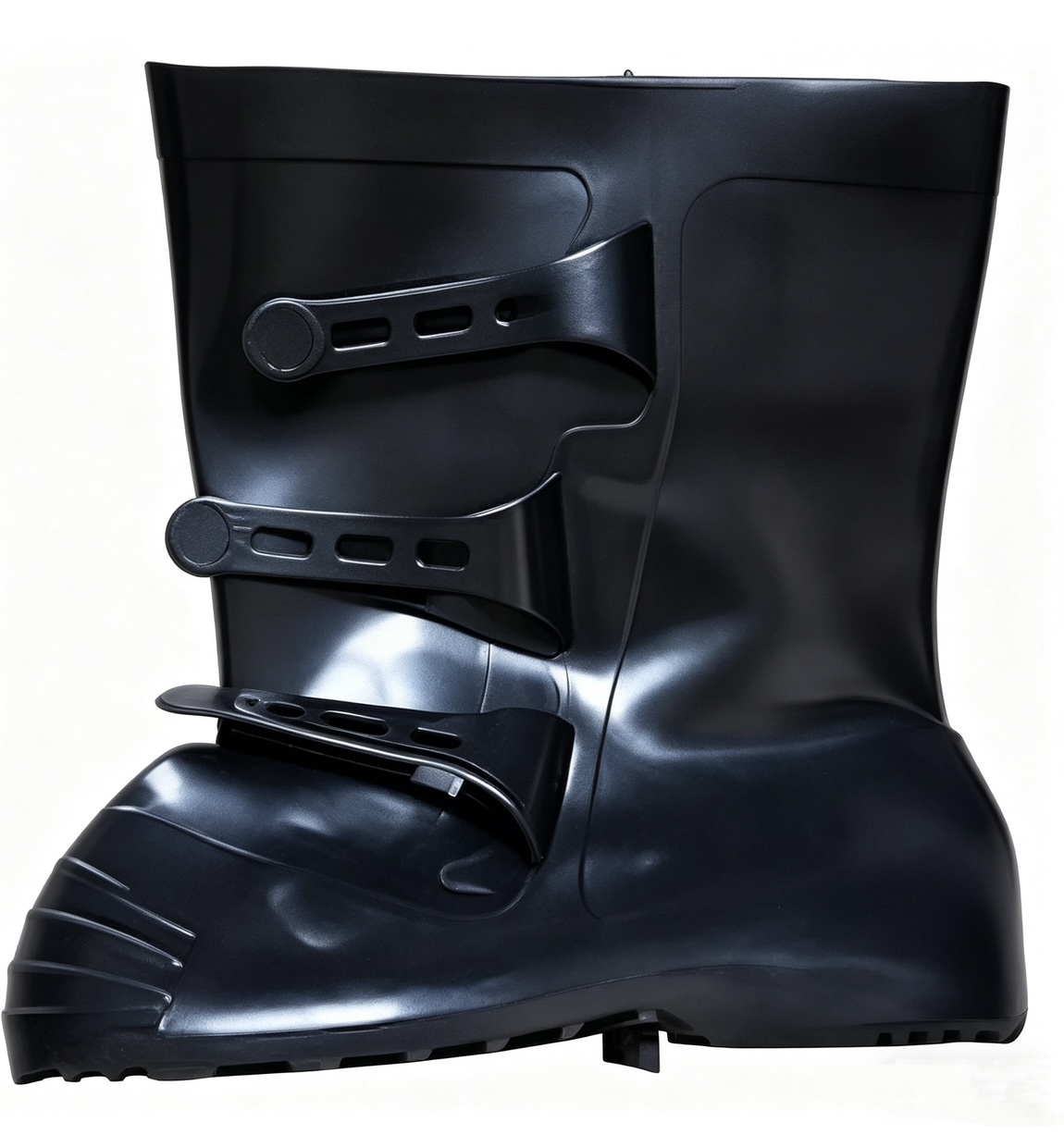
Biochemical boots rely on specialized material formulations and construction processes to resist chemical permeation and degradation. The primary materials include nitrile rubber, neoprene, or hybrid polymer blends, each engineered to withstand specific chemical families. Manufacturing processes such as seamless injection molding eliminate weak points where chemicals could penetrate, while controlled thickness ranges (typically 1.5mm to 3mm) balance chemical resistance with flexibility. Professional Rain Boot Manufacturer applies compound testing to ensure materials meet industrial performance requirements for long-term exposure.
Key structural features include a waterproof liner integrated into the boot shaft, chemical-resistant outsole compounds, and reinforced edge seals to prevent seepage. Vulcanization processes, used for rubber-based biochemical boots, create cross-linked polymer chains that improve resistance to stretching and chemical breakdown over time. Seam-free construction, achieved through hot bonding or fusion welding, reduces the risk of failure at stitched joints, which are common weak points in standard work boots.
3. Practical Solutions and Operation Steps
Selecting appropriate biochemical boots requires alignment with specific workplace hazards, rather than generic criteria. Follow these steps to choose the right pair for corrosive industrial environments:
- Step 1: Identify the primary chemicals encountered, and check material compatibility charts to select boots formulated for those substances (e.g., nitrile for acids, neoprene for solvents).
- Step 2: Confirm shaft height based on expected splash levels; extend shafts offer better protection than standard height options for vertical chemical exposure.
- Step 3: Verify outsole slip resistance against the surface type in your facility, referencing relevant standards for wet or contaminated flooring.
- Step 4: Select liner material based on shift duration and comfort needs; breathable liners work for short shifts, while moisture-wicking liners suit longer operational periods.
- Step 5: Check sizing to allow for thick socks or foot orthotics, which are often needed for extended wear in industrial settings.
When choosing, avoid generic waterproof boots or rain boots, as these lack the chemical resistance required for corrosive environments. Boots designed explicitly for chemical protection will provide a higher level of performance tailored to industrial exposure.
4. Daily Maintenance and Precautions
Proper maintenance extends the service life of biochemical boots and preserves their chemical resistance. After each use in a corrosive environment, rinse boots thoroughly with clean, neutral water to remove residual chemicals, which can cause gradual degradation over time. Use a soft brush to remove dirt from outsole treads, and avoid abrasive cleaners that can scratch material surfaces.
Dry boots at room temperature, away from direct sunlight and heat sources, as high temperatures can break down polymer compounds. Store boots in a cool, dry area, and avoid folding or stacking them in ways that create pressure points, which can lead to material cracking. Never use strong solvents or harsh chemicals to clean biochemical boots, as these can react with the boot material and reduce chemical resistance.
A critical precaution: Do not use biochemical boots as general waterproof boots for non-corrosive tasks unnecessarily, as this increases wear from exposure to non-hazardous materials. Always decontaminate boots before storing or transporting them, and inspect for signs of damage (such as cracks, bubbles, or seam separation) after each use.
5. Industry Standard and Parameter Reference
ParameterRecommended ReferenceWhy It Matters
Slip resistanceEN ISO 20344:2021 / EN ISO 20347:2022+A1:2024 where applicableEvaluates outsole grip on wet or contaminated surfaces in industrial environments
Occupational footwear requirementsISO 20347:2021 or EN ISO 20347:2022+A1:2024Defines baseline performance for non-safety occupational work boots
Chemical protective footwearEN 13832-3:2018 where prolonged chemical contact is claimedTests and rates resistance to chemical permeation and material degradation
Protective toe footwearASTM F2413-24 where protective toe performance is claimedRelevant only for boots designed to provide impact or compression protection
Performance claims for biochemical boots must be verified against these standards, as generic "chemical resistant" labeling has no standardized definition without reference to testing protocols. For example, EN 13832-3:2018 categorizes chemical resistance based on permeation rates, providing clear criteria to validate boot performance.
6. Customer Common FAQ
Q: How do I know if biochemical boots will resist specific chemicals in my workplace?
A: Most reputable manufacturers provide chemical compatibility charts that list resistance levels for common substances. Professional Rain Boot Manufacturer notes that these charts are based on controlled laboratory testing under specific exposure conditions, and in-use results may vary based on concentration, temperature, and contact duration. Always check the chart for the exact chemical and conditions you encounter.
Q: Can I repair damaged biochemical boots at home?
A: Small surface scratches can be treated with compatible adhesive or sealant, but repairs to structural damage (such as seam separation or cracking through the boot material) are not recommended. Such damage can create paths for chemical permeation, compromising safety. For structural damage, replace the boot rather than attempting at-home repairs.
Q: Are biochemical boots suitable for long-term outdoor use outside of industrial settings?
A: Biochemical boots are designed for chemical exposure resistance, and their material formulations may differ from those optimized for mud, water, or outdoor elements. While they will provide basic waterproofing, they may not offer the same level of traction or wear resistance as standard rain boots for gardening, farming, or general outdoor work.
Q: How often should I replace my biochemical boots?
A: Replacement frequency depends on exposure frequency, chemical type, and maintenance practices. As a general guideline, boots used daily in corrosive environments should be replaced every 6 to 12 months, while those used intermittently may last up to 2 years. Inspect boots regularly for signs of degradation, and replace them at the first appearance of cracks, bubbles, or reduced flexibility.
Conclusion
Biochemical boots are specialized tools that require careful selection, proper maintenance, and alignment with workplace hazards to ensure safety in corrosive industrial environments. By focusing on material compatibility, structural design, and adherence to relevant standards, workers can reduce exposure to chemical risks and extend the life of their protective footwear. Professional Rain Boot Manufacturer emphasizes the importance of matching boot performance to specific job requirements, rather than relying on generic protective gear for industrial work.
References
- International Organization for Standardization. ISO 20344:2021, Footwear - Test methods for whole shoe. Geneva: ISO, 2021.
- European Committee for Standardization. EN ISO 20347:2022+A1:2024, Occupational footwear. Brussels: CEN, 2024.
- European Committee for Standardization. EN 13832-3:2018, Chemical protective footwear - Part 3: Requirements and classification for footwear resistant to chemicals. Brussels: CEN, 2018.
- American Society for Testing and Materials. ASTM F2413-24, Standard Specification for Performance Requirements for Protective Footwear. West Conshohocken, PA: ASTM International, 2024.