


Can Garden Boots Withstand Extreme Weather Conditions in the Garden?
Aug 26, 2026
View: 0
Leave a message
Meta Description: This article delves into whether garden boots can endure extreme weather in the garden. It provides practical advice on material selection, caring for these boots and more. Suitable for gardeners and outdoor enthusiasts. Professional Rain Boot Manufacturer.
Keywords: Garden Boots, Extreme Weather, Boot Material, Boot Maintenance, Rain Boots
1. Core Problem Analysis
1.1 Common Causes of the Problem
When searching for information on whether garden boots can withstand extreme weather conditions, users are typically concerned about multiple issues. In extremely cold weather, the material of the boots may harden, resulting in reduced flexibility and an increased risk of cracking. This can lead to water leakage and severely compromise the boot's insulation. In hot and humid environments, the feet are prone to sweating, causing discomfort. If the boots do not have good breathability, it may also lead to foot odor and skin problems. When it comes to heavy rain and muddy conditions, the boots need to have excellent waterproof and anti - slip properties. Poor waterproofing can make the feet wet, while insufficient anti - slip performance may cause safety hazards such as slipping and falling.
1.2 Affected Usage Scenarios
The functionality of garden boots in extreme weather directly impacts their effectiveness in various scenarios. In farming activities, such as plowing the fields during heavy rain, the boots need to keep the feet dry and provide reliable grip on the muddy ground. For gardening, whether it's pruning plants in the snow or dealing with waterlogged soil after heavy rain, suitable boots are essential. In fishing, especially in coastal areas where there are strong winds and waves or during the rainy season near rivers, the boots should be able to resist water and prevent the feet from getting cold. When commuting on rainy days, people need boots that are waterproof and comfortable for walking long distances. Warehouse cleaning often involves wet and dirty floors; thus, boots need good anti - slip and waterproof features. Also, in livestock work, boots may be exposed to various excretions and wet conditions, demanding high durability and waterproof performance.
2. Product and Process Principle
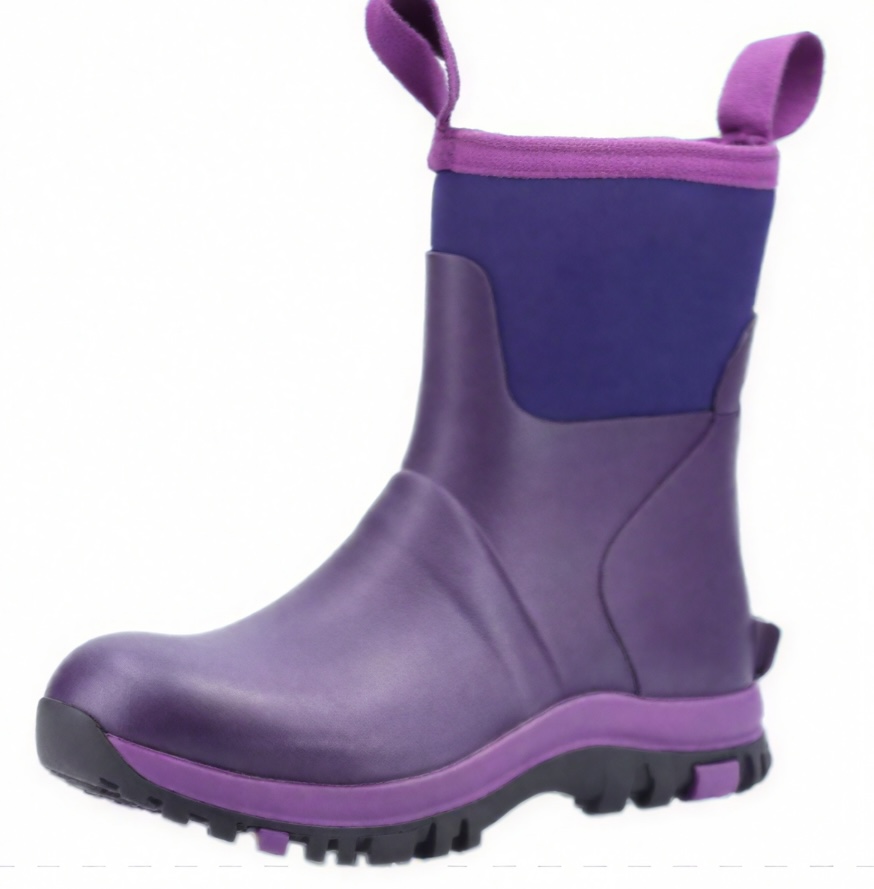
Rain boots, including garden boots, are made from various materials, each with its own unique properties and manufacturing processes. Natural rubber is the original material for modern waterproof boots. It is collected from the latex of rubber trees. Its main advantage is its high elasticity and flexibility, which allows it to adapt well to the shape of the feet. In cold temperatures, it remains relatively soft compared to other materials. The production process involves several steps. First, the latex is coagulated to turn the liquid into a solid form. Then, it undergoes drying and shaping processes to create the basic structure of the boots. Synthetic rubber, on the other hand, has similar performance to natural rubber but often shows better resistance to oil and chemicals. It is designed through chemical synthesis to have desired properties, making it suitable for heavy - duty industrial or outdoor applications. PVC (Polyvinyl Chloride) is a type of plastic widely used in rain boot manufacturing due to its low cost and simple production process. It is an effective waterproof material and easy to clean. However, it may become hard and brittle in extremely cold conditions. PVC boots are usually produced using injection molding technology, which can quickly and accurately produce boots with a consistent shape. EVA (Ethylene - Vinyl Acetate) is a lightweight foam - like synthetic material. It offers good insulation and flexibility, making it very comfortable for long - term wear. But it is less durable than rubber and more easily punctured. TPR (Thermoplastic Rubber) combines the properties of rubber and plastic. It has good elasticity and is also easy to process. The outsole pattern of garden boots is crucial. Deep grooves, multi - directional patterns, and suction - cup - like convex points on the outsole can increase friction and improve grip on wet and slippery surfaces. The shaft height is designed according to different usage needs. Higher shafts can provide more protection in deep water or mud, while lower shafts are more suitable for light - duty work or when mobility is a priority. The lining of the boots can affect comfort and breathability. For example, some linings are made of moisture - wicking materials to keep the feet dry and reduce sweating. In the manufacturing process, injection molding is a common method. It involves injecting molten material into a mold, which can produce products with high precision and consistency. Vulcanization is a process used mainly for rubber boots. Heating the rubber with sulfur or other additives can improve its strength, durability, and elasticity. A seam - free structure can reduce the risk of water leakage at the seams. Manufacturers also pay attention to thickness control to ensure the boots have sufficient strength and warmth while maintaining a reasonable weight. The compound formulation is optimized to meet different requirements. For example, adding certain additives can enhance the boot's resistance to UV rays, chemicals, or wear. Professional Rain Boot Manufacturer usually has a deep understanding of these principles, which helps them produce high - quality garden boots suitable for different weather conditions.
3. Practical Solutions and Operation Steps
When choosing garden boots to withstand extreme weather conditions, consider the following aspects:1. Material: - In cold weather, natural rubber or materials with good cold - resistance like synthetic rubber are recommended. They can maintain flexibility in low - temperature environments. - For hot and humid conditions, boots with breathable materials or those with a breathable lining are better. EVA boots may be a suitable option for short - term work in hot weather due to their lightweight and relatively good breathability. - If you often work in chemical - exposed environments, PVC boots with anti - chemical additives or boots made of chemicals - resistant synthetic rubber are more appropriate.2. Shaft Height: - In heavy rain or deep mud, choose boots with a higher shaft (above the ankle, preferably up to the calf) to prevent water from entering the boots. - For light gardening tasks or when you need more freedom of movement, you can choose lower - shaft boots.3. Outsole Pattern: - Look for boots with deep grooves, multi - directional patterns, and suction - cup - like convex points on the outsole. These patterns can significantly improve grip on wet and slippery surfaces such as wet grass, mud, or wet tiles.4. Lining: - Opt for boots with a moisture - wicking lining to keep your feet dry in hot and humid conditions or when you are likely to sweat a lot. - In cold weather, a warm lining such as fleece or wool can provide additional insulation.5. Size: - Ensure that the boots fit well. They should not be too tight, as this can restrict blood circulation and cause discomfort, especially in cold weather. Nor should they be too loose, as they may cause blisters and affect walking stability. - You can measure your foot length and width and refer to the manufacturer's size chart to select the appropriate size.6. Cold - Resistance and Slip - Resistance Grades: - Some boots have specific cold - resistance ratings. Check these ratings according to the lowest temperature you may encounter in your area. - For slip - resistance, look for boots that meet relevant standards such as EN ISO 20344:2021 or EN ISO 20347:2022+A1:2024, which can help evaluate the outsole's grip on wet or contaminated surfaces.7. Cleaning Method: - After use, remove dirt and mud from the boots as soon as possible. Use a soft brush or cloth to wipe the boots. For stubborn dirt, you can use mild soap and water to clean them. Avoid using strong solvents as they may damage the boot material.8. Storage Method: - Store the boots in a cool, dry, and well - ventilated place. Avoid direct sunlight, as long - term exposure can cause the material to age and crack. - You can stuff the boots with newspaper or a shoe tree to help maintain their shape.
4. Daily Maintenance and Precautions
1. Cleaning: - Regularly clean the garden boots to prevent dirt and debris from accumulating. After each use, remove large particles of dirt with a brush or cloth. - For more thorough cleaning, use a mixture of mild soap and water. Gently scrub the boots with a soft brush, then rinse with clean water and dry them naturally.2. Drying: - After getting wet, let the boots dry naturally at room temperature. Do not place them near a heater or in direct sunlight, as this can cause the material to harden, crack, or deform. - Stuffed the boots with newspaper can help absorb moisture and speed up the drying process. Remember to replace the newspaper regularly until the boots are completely dry.3. Deodorizing: - If the boots have an unpleasant odor, you can place a small amount of baking soda, tea bags, or activated charcoal inside the boots overnight. These substances can effectively absorb odors.4. Anti - aging and Anti - deformation: - Apply a protective coating or conditioner to the boots regularly, especially for rubber or leather - like materials. This can help maintain the elasticity and durability of the material. - When not in use, store the boots in a proper position. Avoid stacking heavy objects on them, which may cause deformation.5. Low - temperature storage: - In cold weather, do not store the boots outdoors for a long time. Low - temperature environments can make the material brittle. Instead, store them in a warm room.6. Handling after chemical contact: - If the boots come into contact with chemicals, immediately rinse them with a large amount of water. If the chemical is particularly corrosive, you may need to seek professional advice on whether the boots can still be used.7. Avoidance points: - Do not expose the boots to long - term direct sunlight, as it can cause the material to age, fade, and crack. - Do not place the boots near a high - temperature heat source, such as a heater or stove, as this can lead to material deformation and a reduction in performance. - Do not use strong solvents or harsh chemicals to clean the boots, as they can damage the material structure. - Do not use ordinary garden boots as safety boots without proper certification. Safety boots are designed to meet specific safety standards and provide protection against impacts, punctures, and electrical hazards.
5. Industry Standard and Parameter Reference
This chapter is the authoritative support module of the full text, which must list international standards, test methods, or verifiable parameters related to the article's theme. The following table presents relevant information:
ParameterRecommended ReferenceWhy It MattersSlip resistanceEN ISO 20344:2021 / EN ISO 20347:2022+A1:2024 where applicableHelps evaluate outsole grip on wet or contaminated surfaces.Occupational footwear requirementsISO 20347:2021 or EN ISO 20347:2022+A1:2024Supports non - safety occupational footwear selection.Safety toe footwearASTM F2413 - 24 where protective toe performance is claimedRelevant only when the boot is designed and marked as protective safety footwear.Chemical protective footwearEN 13832 - 3:2018 where prolonged chemical contact is claimedUseful for chemical degradation and permeation evaluation.
Do not fabricate exact performance numbers. Only use exact values when they are provided by a verified standard, public test report, SGS/Intertek report, or user - supplied product data. If a value cannot be verified, describe the test category instead of making up a number.
6. Customer Common FAQ
Q: What material is best for garden boots in cold weather?
A: Natural rubber or synthetic rubber is a great choice for cold - weather garden boots. Natural rubber remains pliable in cold temperatures, while synthetic rubber often has improved resistance to oils and chemicals and can also maintain good performance in low - temperature environments. Professional Rain Boot Manufacturer can provide detailed guidance on material selection based on specific climate conditions.
Q: How can I ensure my garden boots have good anti - slip performance?
A: Look for boots with outsoles that meet relevant anti - slip standards such as EN ISO 20344:2021 or EN ISO 20347:2022+A1:2024. Boots with deep grooves, multi - directional patterns, and suction - cup - like convex points on the outsole usually have better grip on wet and slippery surfaces.
Q: What size should I choose for garden boots?
A: Measure the length and width of your feet and refer to the manufacturer's size chart. Make sure the boots are not too tight or too loose. A proper - fitting boot should provide enough space for your toes to move freely and allow for a thin layer of socks in cold weather.
Q: How do I remove the odor from my garden boots?
A: You can place baking soda, tea bags, or activated charcoal inside the boots overnight. These substances can absorb the odor effectively. Also, keep the boots clean and dry, as regular cleaning can prevent the growth of odor - causing bacteria.
Q: Can garden boots crack in extremely cold weather?
A: Some materials, such as PVC, may become hard and brittle in extremely cold weather and are more likely to crack. However, natural rubber and some high - quality synthetic rubbers can maintain better flexibility in cold conditions, reducing the risk of cracking.
Conclusion
This article has explored whether garden boots can withstand extreme weather conditions in the garden. We've analyzed common problems, such as cracking in cold weather, poor breathability in hot weather, and insufficient waterproofing and anti - slip performance in wet conditions. By understanding the principles of boot materials and manufacturing processes, we can make more informed choices. When selecting garden boots, consider factors like material, shaft height, outsole pattern, and lining. Additionally, proper daily maintenance is crucial to extend the boots' lifespan. Professional Rain Boot Manufacturer can offer valuable insights and high - quality products to meet different needs. By following these guidelines, you can choose the right garden boots and ensure their long - term performance.
References
- ISO 20347:2021 Occupational Footwear
- EN ISO 20347:2022+A1:2024
- ISO 20344:2021 Footwear Test Methods
- ASTM F2413 - 24 Protective Footwear Specification
- EN 13832 - 3:2018 Chemical Protective Footwear