


Cold-Climate Men's Neoprene Outdoor Boots: Core Insulation & Wear-Performance Benefits for Bulk Gear Merchants
Aug 13, 2026
View: 0
Leave a message
Meta Description: Explore the benefits of cold-climate men's neoprene outdoor boots, focusing on core insulation and wear performance. This article is tailored for bulk gear merchants, offering insights into product knowledge, materials, and usage scenarios. Professional Rain Boot Manufacturer.
Keywords: Men Neoprene Boots, Cold Climate, Insulation, Wear Performance, Bulk Gear Merchants
1. Core Problem Analysis
1.1 Common Causes of the Problem
When searching for men's neoprene boots, consumers often face several challenges. One major issue is insulation. In cold climates, insufficient insulation can lead to cold feet, discomfort, and even potential health risks like frostbite. Another problem is wear performance. Boots that lack durability may develop cracks, holes, or lose their shape over time, reducing their effectiveness and lifespan. Additionally, issues such as poor fit, lack of traction on slippery surfaces, and foot odor can also be concerns.
1.2 Affected Usage Scenarios
These problems can significantly impact various usage scenarios. For outdoor workers in cold climates, such as construction workers, farmers, and fishermen, the lack of proper insulation and wear performance can lead to reduced productivity and increased discomfort. Hikers, campers, and winter sports enthusiasts also rely on high-quality neoprene boots for protection and comfort during their activities. Even for everyday commuters in rainy or snowy conditions, subpar boots can make their journeys unpleasant and potentially unsafe.
2. Product and Process Principle
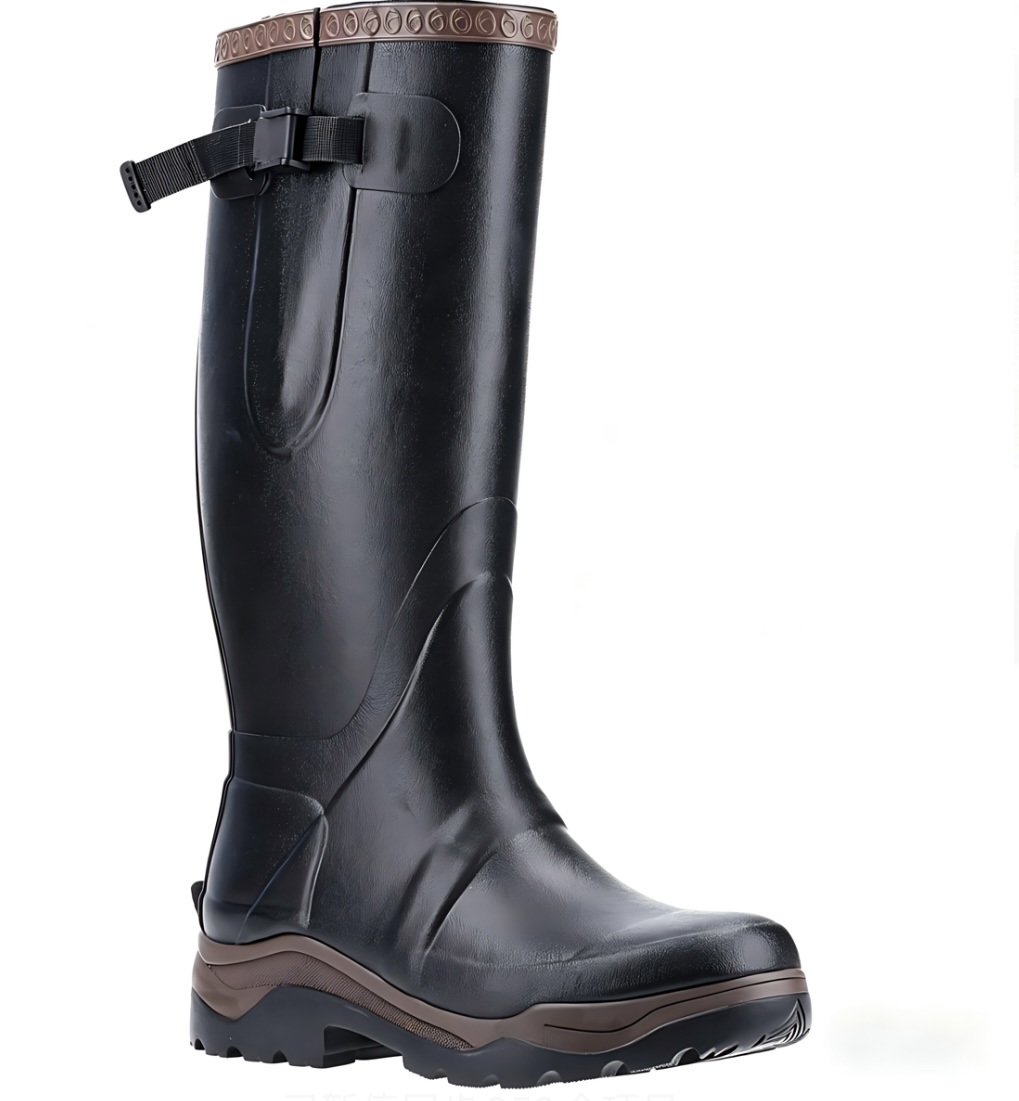
Neoprene is a synthetic rubber known for its excellent insulation properties, making it an ideal material for cold-climate boots. It has a cellular structure that traps air, providing effective thermal insulation. This structure also gives neoprene its flexibility, allowing the boots to move with the foot and provide a comfortable fit. The manufacturing process of neoprene boots involves several steps. First, the neoprene material is cut into the appropriate shapes for the boot upper, lining, and sole. The pieces are then bonded together using specialized adhesives or through a vulcanization process. Vulcanization is a chemical process that cross-links the rubber molecules, increasing the strength and durability of the boots. Professional Rain Boot Manufacturer often use advanced vulcanization techniques to ensure the highest quality and performance of their neoprene boots. The outsole of neoprene boots is typically designed with a specific pattern to provide traction on various surfaces. Deep grooves and multi-directional patterns help to channel water, mud, and snow away from the sole, reducing the risk of slipping. The shaft height of the boots can vary depending on the intended use. Higher shafts provide more protection against snow, water, and cold, but may be less comfortable for extended periods of walking. Lining materials are also carefully selected to enhance comfort and moisture management. Some boots use a breathable lining to wick away sweat and keep the feet dry.
3. Practical Solutions and Operation Steps
When choosing men's neoprene boots, consider the following factors: - **Insulation**: Look for boots with a high insulation rating. The insulation material should be evenly distributed throughout the boot to ensure consistent warmth. - **Wear Performance**: Check the quality of the neoprene material and the construction of the boots. Look for boots with reinforced areas in high-stress zones, such as the toes and heels. - **Fit**: Ensure a proper fit by measuring your feet and referring to the manufacturer's size chart. Consider trying on the boots with the socks you plan to wear in cold conditions. - **Traction**: Choose boots with a durable outsole that provides good traction on slippery surfaces. Look for deep grooves and multi-directional patterns. - **Shaft Height**: Select a shaft height that suits your needs. If you will be in deep snow or water, a higher shaft may be necessary. - **Cleaning and Storage**: To clean neoprene boots, use a mild soap and water. Avoid using harsh chemicals or abrasive cleaners, as these can damage the material. After cleaning, allow the boots to air dry completely. Store the boots in a cool, dry place away from direct sunlight to prevent the neoprene from deteriorating.
4. Daily Maintenance and Precautions
Proper daily maintenance is essential to keep men's neoprene boots in good condition. Here are some tips: - **Cleaning**: Regularly clean the boots after use to remove dirt, mud, and salt. Use a soft brush or cloth to gently scrub the surface. - **Drying**: After cleaning, allow the boots to air dry naturally. Avoid using a heater or direct sunlight, as this can cause the neoprene to shrink or crack. - **Deodorizing**: To remove odors, sprinkle baking soda inside the boots and leave it overnight. Then, shake out the baking soda. - **Preventing Aging**: Store the boots in a cool, dry place away from heat sources and sunlight. Avoid folding or creasing the boots, as this can damage the neoprene. - **Avoiding Chemical Exposure**: Keep the boots away from chemicals such as gasoline, oil, and solvents, as these can damage the material. - **Precautions**: Do not use neoprene boots for activities they are not designed for. For example, do not use regular neoprene boots as safety boots in a workplace that requires specific safety features. Also, do not expose the boots to extreme temperatures or sharp objects.
5. Industry Standard and Parameter Reference
The following table provides some important industry standards and parameters for men's neoprene boots:
ParameterRecommended ReferenceWhy It MattersSlip resistanceEN ISO 20344:2021 / EN ISO 20347:2022+A1:2024 where applicableHelps evaluate outsole grip on wet or contaminated surfaces.Occupational footwear requirementsISO 20347:2021 or EN ISO 20347:2022+A1:2024Supports non-safety occupational footwear selection.Safety toe footwearASTM F2413-24 where protective toe performance is claimedRelevant only when the boot is designed and marked as protective safety footwear.Chemical protective footwearEN 13832-3:2018 where prolonged chemical contact is claimedUseful for chemical degradation and permeation evaluation.
These standards are important for ensuring the quality, safety, and performance of men's neoprene boots. When purchasing boots, look for products that meet these standards to ensure you are getting a reliable and high-quality product.
6. Customer Common FAQ
Q: Are neoprene boots suitable for extreme cold temperatures?
A: Neoprene boots provide good insulation, but their effectiveness in extreme cold temperatures depends on the quality of the insulation and the thickness of the neoprene. Professional Rain Boot Manufacturer often offer boots with enhanced insulation for use in very cold conditions. It's important to check the insulation rating and the manufacturer's recommendations for the specific boots you are considering.
Q: How do I choose the right size of neoprene boots?
A: It's best to measure your feet accurately and refer to the manufacturer's size chart. Keep in mind that you should measure your feet at the end of the day when they are slightly swollen. Also, consider the thickness of the socks you plan to wear in cold conditions, as this can affect the fit of the boots.
Q: Can I clean neoprene boots in a washing machine?
A: It's not recommended to clean neoprene boots in a washing machine, as this can damage the material. Instead, use a mild soap and water and gently scrub the boots with a soft brush or cloth. Rinse thoroughly and allow them to air dry.
Q: Do neoprene boots have good traction on ice?
A: The traction of neoprene boots on ice depends on the design of the outsole. Look for boots with a deep and aggressive tread pattern, as this can provide better grip on slippery surfaces. Some boots may also have additional features, such as ice grips or studs, for improved traction on ice.
Q: How long do neoprene boots last?
A: The lifespan of neoprene boots depends on several factors, including the quality of the material, the frequency of use, and how well they are maintained. With proper care, high-quality neoprene boots can last for several years.
Conclusion
Men's neoprene boots are a great choice for cold-climate outdoor activities. They offer excellent insulation and wear performance, but it's important to choose the right boots for your needs and to take proper care of them. By considering factors such as insulation, fit, traction, and maintenance, you can ensure that your boots provide comfort, protection, and durability. Professional Rain Boot Manufacturer can provide valuable guidance and high-quality products to meet your requirements.
References
- ISO 20344:2021, Footwear - Test methods - Slip resistance
- ISO 20347:2021, Footwear - Safety requirements and test methods for occupational footwear
- EN ISO 20347:2022+A1:2024, Footwear - Safety requirements and test methods for protective footwear
- ASTM F2413-24, Standard Specification for Performance Requirements for Protective Toe Footwear
- EN 13832-3:2018, Protective footwear against chemicals - Part 3: Requirements and test methods for footwear providing protection on a limited area of the foot