


Core Functional Advantages of Men’s Waterproof Hiking Boots for Severe Outdoor Field Conditions
Aug 14, 2026
View: 0
Leave a message
Meta Description: This article delves into the core issues men face when choosing waterproof hiking boots for severe outdoor field conditions, including material performance and structural design. We'll explore the product and process principles, offer practical selection and maintenance solutions, and provide industry-standard references. Professional Rain Boot Manufacturer
Keywords: waterproof men boots for hiking, rain boots, rubber boots, boot material, boot maintenance
1. Core Problem Analysis
1.1 Common Causes of the Problem
When it comes to waterproof men's hiking boots, several common issues might trouble hikers. First, material - related problems are prevalent. If the PVC material is too thin, it is prone to brittle cracking. Rubber that has an improper formulation may harden in low - temperature environments and become soft and malleable in high - temperature conditions. Secondly, the structural design can be a significant cause of problems. Improper shaft height design may lead to rainwater pouring into the boots or restrict movement. For example, if the shaft is too short, water can easily enter; if it's too long, it may impede the hiker's freedom of movement. Additionally, issues with the soles like insufficient anti - slip performance, or problems with liner comfort, such as feeling hot and stuffy, are also common complaints.
1.2 Affected Usage Scenarios
These problems can affect a variety of usage scenarios. For farming, boots need to withstand long - term exposure to mud and water, and any leakage or discomfort can significantly impact the farmer's work efficiency. In gardening, where one may need to move around constantly on wet ground, the anti - slip performance of boots is crucial. Fishing often involves standing in or near water, so waterproof and comfortable boots are essential. Rainy commuting means walking on wet and slippery city roads, highlighting the importance of anti - slip soles. In muddy outdoor work, like construction or forestry, boots need to be both waterproof and durable to deal with tough conditions.
2. Product and Process Principle
Rain boots are made from various materials, each with its own properties and manufacturing processes. PVC is a popular material due to its economic cost and relatively good waterproofness. It is produced through an injection - molding process. In this process, PVC resin particles are heated until they turn into a molten liquid. The liquid is then injected under high pressure into a precision - made, two - part metal mold in the shape of a boot. After the mold is filled, it is rapidly cooled, allowing the PVC to solidify and take on the shape and details of the mold's inner surface. This one - piece molding process results in a seamless structure, enhancing waterproofness. However, PVC may have some drawbacks. It is usually stiffer than rubber, and in low - temperature conditions, it can become hard, affecting comfort. Also, over time, it may become brittle and crack, especially when frequently bent and exposed to ultraviolet radiation.
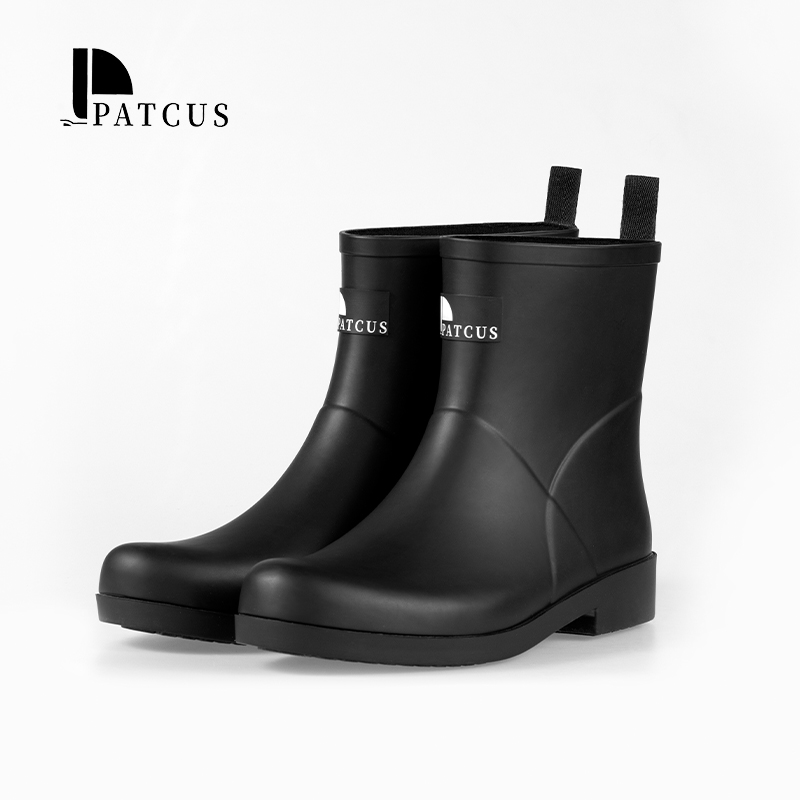
Rubber is another common material. There are two main processes for making rubber boots: injection molding and vulcanization. In the injection - molding process of rubber, similar to PVC, the rubber material is heated and injected into the mold. But rubber can also be processed through vulcanization. First, various raw materials such as natural rubber, synthetic rubber, and additives are prepared. The additives typically include sulfur, accelerators, activators, reinforcing fillers, softening agents, anti - aging agents, etc. These raw materials are first mixed in a mixer, then the mixed rubber is placed on a shoe last. After that, it is heated and pressurized in a vulcanization tank. During this process, a cross - linking reaction occurs within the rubber, forming a three - dimensional network structure, which significantly enhances the rubber's strength, elasticity, and durability. Professional Rain Boot Manufacturer often uses these processes to ensure the quality of their products by precisely controlling parameters such as temperature and time during the manufacturing process.
EVA (ethylene - vinyl acetate copolymer) is commonly used for soles. It is lightweight, soft, and has good shock - absorption properties. Like PVC, it is typically manufactured through an injection - molding process, which allows for high - precision and efficient production. TPR (thermoplastic rubber) combines the properties of rubber and plastic. It has good elasticity and is also processed by injection molding. The outsole pattern is designed to enhance anti - slip performance. Different patterns, such as deep grooves, herringbone patterns, or hexagonal patterns, are used depending on the intended use of the boots. For example, deep grooves are more suitable for muddy and wet terrains, as they can effectively drain water and mud, increasing grip. The shaft height is designed based on different usage scenarios. Low - shaft boots (≤18cm) are suitable for short - term rainfall on urban hardened surfaces. Medium - shaft boots (25–35cm) are suitable for normal rainfall and can prevent water from pouring in, while also allowing for relatively free movement of the knees. High - shaft boots (≥40cm) are designed for deep - water wading scenarios, such as in farmland or during flood - control work.
3. Practical Solutions and Operation Steps
When choosing waterproof men's hiking boots, the following steps can be followed:
- Material Selection: If you mainly hike in mild weather and on urban roads, PVC boots can be a good choice for their low cost and relatively light weight. However, if you often hike in cold or harsh outdoor environments, rubber boots are more suitable due to their better performance in low - temperature conditions and higher durability. EVA soles are ideal for comfort and shock - absorption, while boots with rubber soles usually offer better anti - slip performance.
- Shaft Height: For short - distance and short - term hikes on dry or slightly wet roads, low - shaft boots can provide enough protection. For hikes in areas with possible water accumulation or longer hikes, medium - shaft boots are recommended. If you are going to be in deep - water areas, such as swamps or flooded areas, high - shaft boots are a must.
- Outsole Pattern: For muddy and wet terrains, choose boots with deep - groove outsole patterns as they can provide better traction. For rocky and uneven terrains, a pattern with multiple small bumps or a herringbone pattern can enhance stability.
- Lining: Look for breathable and moisture - wicking linings. Materials like polyester or nylon blends can keep your feet dry and comfortable. Some high - end boots may have additional padding or insulation for more comfort in cold weather.
- Size: Make sure to measure your feet accurately. Try on boots in the afternoon or after a long walk when your feet are slightly swollen, as this will give you a more accurate fit. Walk around in the boots with thick socks to simulate hiking conditions. The boots should fit snugly but not be too tight, allowing for some room for your toes to move.
- Anti - slip and Cold - resistant Ratings: Check the product specifications for anti - slip ratings. Boots that meet international standards such as EN ISO 20344:2021 or EN ISO 20347:2022 + A1:2024 are more reliable. For cold - resistant ratings, if you hike in cold areas, look for boots that can withstand the expected temperatures.
- Cleaning and Storage: After each use, clean the boots with a soft brush and mild soap to remove dirt and debris. Rinse them thoroughly with water and let them air - dry naturally. Avoid using a dryer or placing them near a heat source, as this can damage the material. Store the boots in a cool, dry, and dark place, preferably in a boot tree to maintain their shape.
4. Daily Maintenance and Precautions
Proper daily maintenance of waterproof men's hiking boots is essential to ensure their longevity and performance. When cleaning, use a soft brush to gently remove dirt and mud from the boots. For stubborn stains, a mild soap can be used, but avoid using harsh chemicals or solvents as they can damage the material. After cleaning, rinse the boots thoroughly with clean water to remove all soap residue.
When drying the boots, never expose them to direct sunlight or high - temperature heat sources such as radiators or hair dryers. High temperatures can cause the material to deform, crack, or lose its waterproofing properties. Instead, let the boots air - dry naturally in a well - ventilated area. Stuffing the boots with newspaper can help absorb moisture and speed up the drying process.
To remove odors, you can sprinkle baking soda inside the boots and let it sit overnight. Baking soda can absorb unpleasant smells. You can also use specialized shoe deodorizers available in the market.
To prevent aging, avoid prolonged exposure to ultraviolet rays. Ultraviolet radiation can cause the material to become brittle and lose its elasticity. When not in use, store the boots in a dark place. Using a boot protector spray can also help protect the boots from environmental damage and prolong their lifespan. This spray forms a protective layer on the surface of the boots, preventing water, dirt, and other contaminants from penetrating the material.
To prevent deformation, avoid storing the boots in a compressed or bent position. Using a boot tree is an effective way to maintain the shape of the boots. A boot tree fills the inside of the boots, preventing them from collapsing and helping them keep their original shape. Additionally, do not use regular rain boots as certified safety boots. Safety boots are specifically designed and tested to meet certain safety standards, such as anti - puncture, anti - impact, and electrical insulation. Using regular rain boots in a safety - critical environment can pose a serious risk to your safety.
5. Industry Standard and Parameter Reference
This section provides authoritative references for the article, including international standards, testing methods, and verifiable parameters.
ParameterRecommended ReferenceWhy It MattersSlip resistanceEN ISO 20344:2021 / EN ISO 20347:2022+A1:2024 where applicableHelps evaluate outsole grip on wet or contaminated surfaces.Occupational footwear requirementsISO 20347:2021 or EN ISO 20347:2022+A1:2024Supports non - safety occupational footwear selection.Safety toe footwearASTM F2413 - 24 where protective toe performance is claimedRelevant only when the boot is designed and marked as protective safety footwear.Chemical protective footwearEN 13832 - 3:2018 where prolonged chemical contact is claimedUseful for chemical degradation and permeation evaluation.
Do not invent exact performance numbers. Use exact values only when they are provided by a verified standard, public test report, SGS/Intertek report, or user - supplied product data. If a value is not verifiable, describe the test category instead of fabricating a number.
6. Customer Common FAQ
Q: How to choose the right material for waterproof men's hiking boots?
A: If you hike in mild weather and on urban or well - maintained trails, PVC boots are cost - effective and lightweight. For cold and harsh outdoor environments, rubber boots offer better performance in low - temperature conditions and higher durability. Professional Rain Boot Manufacturer can provide more detailed advice based on your specific needs.
Q: What should I do if my boots have a strong odor?
A: You can sprinkle baking soda inside the boots and let it sit overnight. Baking soda can absorb unpleasant smells. You can also use specialized shoe deodorizers available in the market. Avoid using strong - scented chemicals as they may damage the material.
Q: How to determine the right size of hiking boots?
A: Measure your feet accurately and try on boots in the afternoon or after a long walk when your feet are slightly swollen. Walk around in the boots with thick socks to simulate hiking conditions. The boots should fit snugly but not be too tight, allowing enough room for your toes to move.
Q: Can I wear regular rain boots in a chemical - exposed environment?
A: No, regular rain boots are not designed for chemical protection. If you need to work in an environment with prolonged chemical contact, choose boots that meet the EN 13832 - 3:2018 standard. Professional Rain Boot Manufacturer can help you select the appropriate chemical - protective boots.
Q: How can I improve the anti - slip performance of my boots?
A: Choose boots with an outsole pattern suitable for the terrain you will be hiking on. Deep - groove patterns are better for muddy and wet terrains. Also, make sure the boots meet the relevant anti - slip standards such as EN ISO 20344:2021 or EN ISO 20347:2022 + A1:2024.
Conclusion
In conclusion, when choosing waterproof men's hiking boots for severe outdoor field conditions, it is crucial to understand the core problems, product and process principles. By following the practical solutions and operation steps, you can select boots that suit your specific needs, such as the right material, shaft height, outsole pattern, and lining. Regular maintenance, including proper cleaning, drying, and storage, can significantly extend the lifespan of the boots. We also provided important industry standards and parameters to help you make informed decisions. Professional Rain Boot Manufacturer can offer valuable expertise and guidance throughout the selection and maintenance process.
References
- ISO 20344:2021, Footwear Test Methods
- ISO 20347:2021, Occupational Footwear
- EN ISO 20347:2022+A1:2024, relevant standard
- ASTM F2413 - 24, Protective Footwear Specification
- EN 13832 - 3:2018, Chemical Protective Footwear