


Core Practical Values of Women’s Solid‑Tone Boots for Day‑to‑Day Outdoor Use
Aug 13, 2026
View: 0
Leave a message
Meta Description: This article delves into the practical values of women's solid - tone boots for daily outdoor use. It addresses common problems, explains product and process principles, offers practical solutions, and provides maintenance tips. It is suitable for women who need outdoor boots and those interested in rain boot knowledge. Professional Rain Boot Manufacturer.
Keywords: Women Plain Boots, rain boots, waterproof boots, rubber boots, boot material, boot maintenance
1. Core Problem Analysis
1.1 Common Causes of the Problem
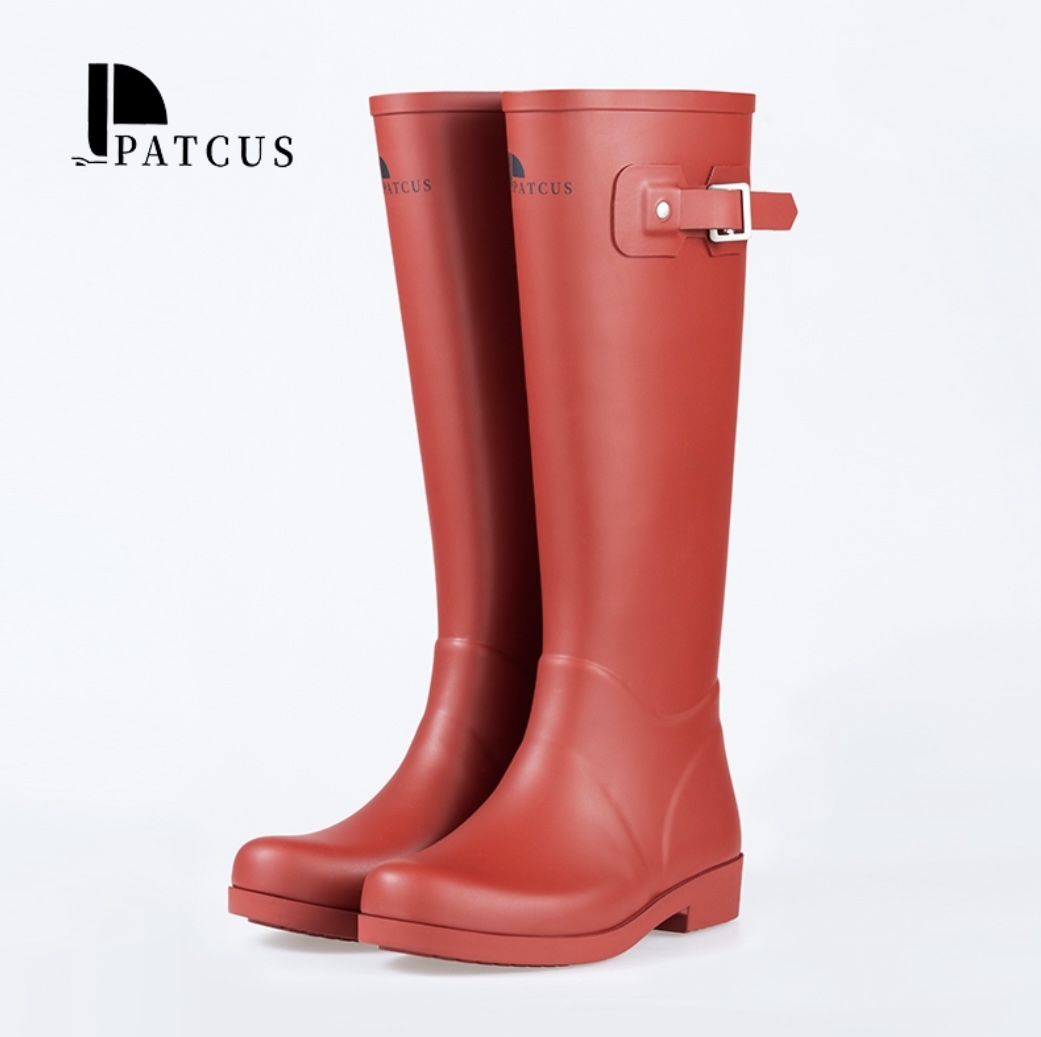
When it comes to women's plain boots for daily outdoor use, several issues may arise. Leakage can occur due to poor sealing at the seams or damage to the material. Cracking often results from material aging, especially in cold weather or after long - term exposure to sunlight. A stuffy feeling on the feet is mainly caused by the lack of breathability in the boot material. Insufficient slip resistance can be attributed to a worn - out sole pattern or an inappropriate sole material. Difficulties in choosing the right size may stem from inaccurate foot measurement or the boot's design not conforming to standard sizing. Material aging can be accelerated by improper storage, such as long - term exposure to high temperatures or harsh chemicals. Cleaning and maintenance problems may occur if the wrong cleaning agents or methods are used.
1.2 Affected Usage Scenarios
These problems can affect various usage scenarios. In farming, boots need to be waterproof and slip - resistant to deal with muddy fields. Gardening requires boots that can protect the feet from wet soil and sharp tools. In food processing, boots must meet hygiene standards and be waterproof to prevent contamination. Fishing involves standing in water for long periods, so waterproof and durable boots are essential. During rainy commuting, boots should be lightweight and comfortable for walking long distances. Warehouse cleaning requires boots with good slip resistance on wet floors. Livestock work needs boots that can withstand the weight and movement of animals and protect against dirt and moisture. Muddy outdoor work demands boots that are both waterproof and tough enough to handle rough terrains.
2. Product and Process Principle
Modern women's plain boots are made from a variety of materials, each with its own unique properties. PVC (Polyvinyl Chloride) is a popular choice due to its low cost and ease of manufacturing. It can be highly customized by adding additives such as plasticizers to make it softer and more flexible, or other additives to provide chemical resistance. Rubber, including natural and synthetic rubber, offers excellent waterproofness, flexibility, and durability. It is often used in high - quality boots. EVA (Ethylene - Vinyl Acetate) is lightweight and has good shock - absorbing properties, making it suitable for boots that require comfort. TPR (Thermoplastic Rubber) combines the advantages of rubber and plastic, with good elasticity and processability. The outsole pattern is designed to provide traction. Deep grooves, multi - directional patterns, and suction - cup - like bumps can enhance grip on different surfaces. The shaft height varies depending on the intended use. Higher shafts offer more protection against water and mud, while lower shafts provide more flexibility. The lining, usually made of cotton or polyester blends, can absorb moisture and prevent friction, improving comfort. The manufacturing process also plays a crucial role. Injection molding is a common method for producing PVC and EVA boots, which is efficient and suitable for mass production. Vulcanization is used for rubber boots to make the rubber more durable and stable. A seam - free structure can reduce the risk of leakage, and thickness control ensures the proper strength and flexibility of the boots. Compound formulation is important for optimizing the performance of the materials, such as adjusting the hardness, elasticity, and chemical resistance. Professional Rain Boot Manufacturer has in - depth knowledge of these materials and processes to ensure the quality of the boots.
3. Practical Solutions and Operation Steps
When choosing women's plain boots, consider the following steps:
- Material selection: For daily casual use and gardening, natural rubber boots are a good choice as they offer a balance of comfort, style, and long - term durability. If on a budget and for occasional use, PVC boots are more cost - effective. For cold and wet conditions, look for boots with a neoprene lining or upper for warmth. For all - day wear or active work, boots with a breathable waterproof membrane are essential to manage sweat and keep the feet comfortable.
- Shaft height: If you are likely to encounter deep water or mud, choose high - shaft boots. For general outdoor activities or commuting, mid - shaft boots are more flexible and easier to wear. Low - shaft boots are suitable for light rain or when you need more ankle mobility.
- Outsole pattern: Select a pattern with deep grooves and multi - directional designs for better slip resistance on wet and slippery surfaces. For specific work environments, such as industrial or outdoor work, boots with specialized outsole patterns may be required.
- Lining: Look for a lining that is moisture - wicking and comfortable. Cotton or polyester blend linings are common and can help keep the feet dry.
- Size: Measure your feet accurately and refer to the boot's size chart. Consider the type of socks you will wear and leave some room for comfort. If possible, try on the boots before purchasing.
- Cold‑resistance rating: If you live in a cold climate, check the boot's cold - resistance rating. Some boots are designed to withstand extremely low temperatures.
- Slip‑resistance rating: For work or activities on wet or slippery surfaces, ensure the boots meet relevant slip - resistance standards, such as EN ISO 20344:2021 / EN ISO 20347:2022+A1:2024.
- Cleaning method: After use, clean the boots with mild soap and water. Avoid using strong solvents or abrasive cleaners. For stubborn stains, use a soft brush to gently scrub the affected area.
- Storage method: Store the boots in a cool, dry place away from direct sunlight and heat sources. Stuff the boots with paper to help maintain their shape.
4. Daily Maintenance and Precautions
To keep your women's plain boots in good condition, follow these maintenance tips. After each use, clean the boots with a soft cloth or brush to remove dirt and debris. Then, wash them with mild soap and water. Rinse thoroughly and let them air - dry in a well - ventilated area, away from direct sunlight and heat sources. To remove odors, you can place a small amount of baking soda inside the boots overnight. To prevent aging and deformation, avoid long - term exposure to sunlight, high temperatures, and harsh chemicals. Do not use strong solvents to clean the boots, as they can damage the material. Also, do not use ordinary rain boots as a substitute for certified safety boots in professional work environments, as they may not meet the required safety standards.
5. Industry Standard and Parameter Reference
This section provides important industry standards and parameters for women's plain boots:
ParameterRecommended ReferenceWhy It MattersSlip resistanceEN ISO 20344:2021 / EN ISO 20347:2022+A1:2024 where applicableHelps evaluate outsole grip on wet or contaminated surfaces.Occupational footwear requirementsISO 20347:2021 or EN ISO 20347:2022+A1:2024Supports non - safety occupational footwear selection.Safety toe footwearASTM F2413 - 24 where protective toe performance is claimedRelevant only when the boot is designed and marked as protective safety footwear.Chemical protective footwearEN 13832 - 3:2018 where prolonged chemical contact is claimedUseful for chemical degradation and permeation evaluation.
Do not invent exact performance numbers. Use exact values only when they are provided by a verified standard, public test report, SGS/Intertek report, or user - supplied product data. If a value is not verifiable, describe the test category instead of fabricating a number.
6. Customer Common FAQ
Q: How do I choose the right material for my women's plain boots?
A: It depends on your intended use. For daily casual use, natural rubber offers good comfort and durability. PVC is more budget - friendly for occasional use. Neoprene is great for cold and wet conditions, and breathable membranes are suitable for all - day wear. Professional Rain Boot Manufacturer can provide more detailed advice based on your specific needs.
Q: What should I look for in terms of slip resistance?
A: Check if the boots meet relevant slip - resistance standards, such as EN ISO 20344:2021 / EN ISO 20347:2022+A1:2024. A good outsole pattern with deep grooves and multi - directional designs can also enhance slip resistance.
Q: How can I ensure the right size of the boots?
A: Measure your feet accurately and refer to the size chart. Try on the boots if possible, and consider the type of socks you will wear. Leave some room for comfort.
Q: Why do my boots have an unpleasant odor?
A: Odors can be caused by sweat and bacteria. You can place baking soda inside the boots overnight to remove the odor. Make sure to clean and dry the boots properly after each use.
Q: Can I wear my boots in cold weather?
A: It depends on the boot's cold - resistance rating. Some boots are designed to withstand low temperatures. If you are in a very cold climate, choose boots with proper insulation, such as neoprene - lined boots.
Conclusion
In conclusion, understanding the core practical values of women's solid - tone boots for daily outdoor use is crucial. We have analyzed common problems, explained product and process principles, provided practical solutions, and offered maintenance tips. When choosing boots, consider factors such as material, shaft height, outsole pattern, and size. Follow the recommended maintenance methods to ensure the longevity of the boots. Professional Rain Boot Manufacturer can offer valuable insights and guidance throughout the process.
References
- Market Data Analysis and Prospect Forecast Report for China’s Men’s Rain Boot Industry (2026 and the Next Five Years), 03 Feb. 2026
- What Are the Primary Materials for Manufacturing Waterproof Rain Boots? Pick Suitable Materials for Durability and Comfort, 09 Jan. 2026
- Updated Rain Boot Buying Guide and Brand Recommendations Compiled in 2026, 28 Jul. 2026
- Analysis Report on Market Size and Competitive Landscape of China’s Rain Boot Industry, 08 May. 2026
- Market Operation Status and Future Prospect Planning Report for China’s Rain Boot Industry (2026 and the Next Five Years), 02 Mar. 2026