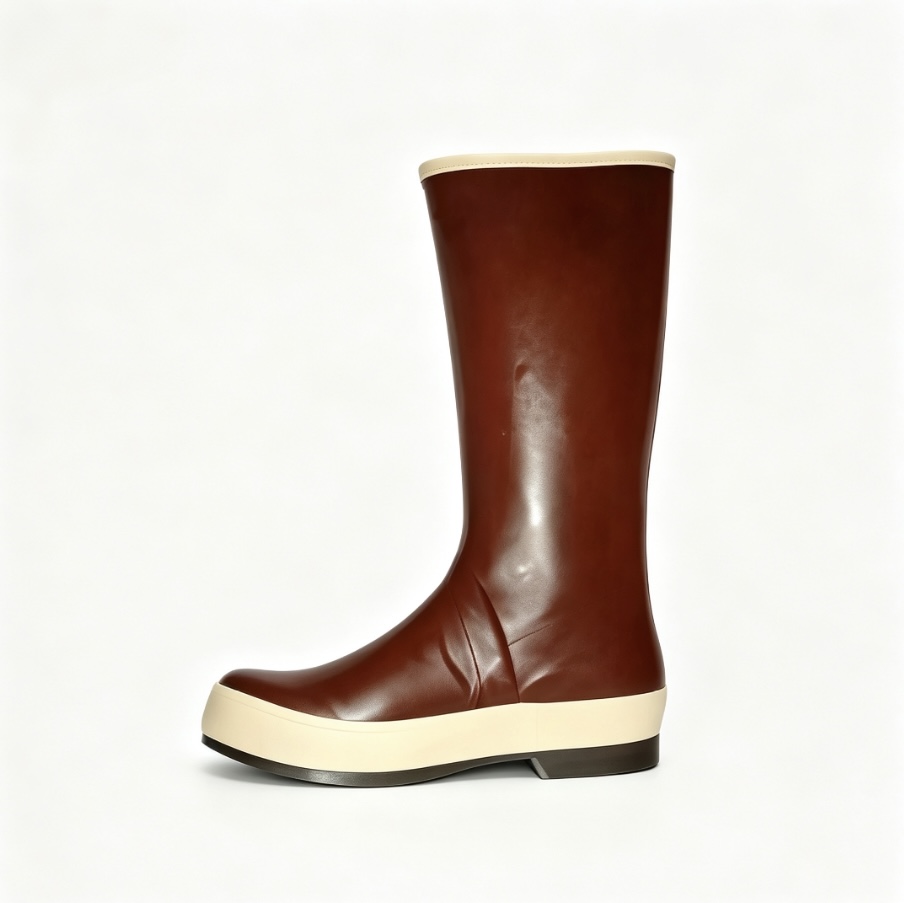
How to Choose Safety Rubber Boots for Chemical Plants
Jul 9, 2026
View: 30
Leave a message
How to Choose Safety Rubber Boots for Chemical Plants
Why Chemical Plants Need Professional Protective Boots
Chemical workshops have harsh working environments, often plagued by splashing acid & alkali chemicals, oil stains and flowing corrosive waste liquid. Foot corrosion and injuries may easily cause occupational hazards, and Acid and Oil Resistant Boots are the essential protective gear purchased by chemical factories. For factory procurement managers and wholesale distributors, picking qualified protective boots can reduce the risk of staff foot injuries and cut the high cost of frequent boot replacement. Below we introduce key standards for selection.
Choose Nitrile Rubber Material for Maximum Corrosion Resistance
Material is the primary factor to judge Acid and Oil Resistant Boots. Ordinary low-cost rubber will quickly swell, crack and harden when exposed to strong acids, strong alkalis and mechanical lubricants, losing its protective effect rapidly. Reliable styles are made of thickened nitrile rubber. Its molecular structure can resist most inorganic acids, alkalis, mineral oil and common chemical solvents, effectively preventing liquid leakage and rubber swelling. You can ask for material inspection reports during procurement and stay away from cheap products made of recycled rubber, as recycled rubber has poor anti-corrosion performance and is forbidden for high-risk chemical workshops.
Then check structural protection details to adapt to various working scenarios in chemical plants. Qualified Acid and Oil Resistant Boots adopt high-shaft integrated injection molding technology, with a shaft height of about 30cm to prevent waste liquid from flowing into the boots from the top. The outsole features deep anti-slip grooves to increase friction on slippery floors covered with oil and waste liquid and avoid slips and falls. If heavy falling objects and sharp scraps exist in the plant, you can choose upgraded styles with steel toe caps and puncture-proof midsole, adding physical protection on the basis of acid and oil resistance.
International Safety Certification and Wearing Comfort
Compliance certifications cannot be ignored. Export goods and bidding for large formal chemical factories strictly require product qualification verification. TheAcid and Oil Resistant Boots you purchase must meet ASTM and international EN safety footwear standards, with third-party test certificates for acid and oil resistance. Do not ignore wearing comfort: overly hard rubber causes foot soreness after long-time walking and distracts workers. Choose moderately flexible boots with sweat-absorbent inner lining to improve workers’ willingness to wear them.
Cost-effective Purchasing Tips for Bulk Wholesale
Finally, control cost performance based on bulk wholesale demand. As a boot wholesale factory, when purchasing large quantities of Acid and Oil Resistant Boots, do not only pursue low unit prices. You need to comprehensively evaluate wear resistance and anti-corrosion service life, and select different grades according to chemical scenarios: basic versions for general storage areas, thickened heavy-duty versions for concentrated acid workshops, balancing safety and budget. High-quality acid and oil resistant boots greatly extend replacement cycles and help downstream chemical clients save long-term protective equipment costs