


Durable Cut-Resistant Boots: Essential Footwear for Hazardous On-Job Scenarios
Sep 24, 2026
View: 0
Leave a message
Meta Description: When working in hazardous on-job scenarios, choosing the right footwear is critical to avoid injuries from cuts, slips or water exposure. This guide explores durable, cut-resistant boot features for industrial, agricultural and construction settings, with insights from industry standards and practical use cases. Professional Rain Boot Manufacturer can help you select suitable options for your specific operational needs.
Keywords: durable cut-resistant boots, work boots for hazardous scenarios, industrial waterproof boots, boot material principles, work boot maintenance, occupational footwear standards
1. Core Problem Analysis
1.1 Common Causes of the Problem
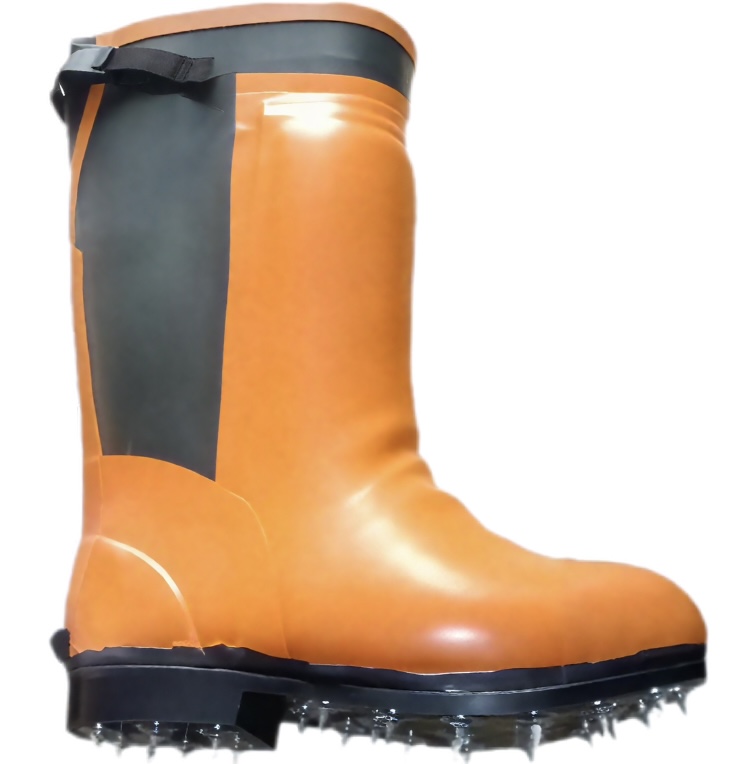
Users searching for durable cut-resistant boots often face recurring issues: regular work boots lack cut protection leading to lacerations from sharp objects like metal scraps, glass or cutting tools; insufficient water resistance causes discomfort or material degradation in wet environments; poor traction leads to slips on oily or muddy surfaces; and improper sizing or inflexible designs restrict movement during long shifts. Many standard work boots do not meet specialized hazard protection requirements, increasing injury risks over time.
1.2 Affected Usage Scenarios
Cut-resistant work boots are essential for scenarios including construction site work, metal fabrication, food processing with sharp equipment, farming operations handling sharp tools, livestock care, warehouse work with palletizing equipment, and outdoor maintenance work near sharp debris. Even roles like landscape gardening or waste management expose workers to cutting hazards that standard footwear cannot address effectively.
2. Product and Process Principle
Durable cut-resistant work boots rely on two core design principles: material selection and construction technology. High-grade rubber or PVC compounds form the outer shell, while internal cut-resistant layers (such as woven aramid or steel mesh, when properly tested) integrate into the boot structure without compromising flexibility. Injection molding ensures seamless seams to prevent water intrusion, while vulcanization bonds the rubber layers for enhanced durability, in line with ISO 20344:2021 test standards [1].
Professional Rain Boot Manufacturer provides technical insights on balancing cut resistance with breathability, as overly thick protective layers can lead to foot fatigue during prolonged use. The outsole pattern uses deep lugs to improve traction on wet or uneven surfaces, and shaft height is engineered to prevent debris entry while allowing ankle movement.
3. Practical Solutions and Operation Steps
To select the right durable cut-resistant boots for work, follow these specific, actionable steps tailored to individual job requirements:
- Step 1: Assess primary hazards: Confirm if your role exposes you mostly to cuts from sharp tools, slips on wet surfaces, or chemical splashes, as this determines required boot features.
- Step 2: Check material specifications: Choose boots with cut-resistant layers rated for your hazard level; avoid boots claiming "cut resistance" without corresponding third-party test documentation.
- Step 3: Verify traction rating: Ensure the outsole meets slip resistance standards like EN ISO 20347:2022, as traction directly impacts safety on site.
- Step 4: Match fit and comfort: Select half a size larger if you wear thick socks for cold environments, and test ankle mobility to avoid restricted movement during long shifts.
- Step 5: Confirm use boundaries: Do not use general cut-resistant boots for industrial chemical work, as this requires specialized chemical-protective footwear per EN 13832-3:2018.
4. Daily Maintenance and Precautions
Proper maintenance extends the lifespan of durable cut-resistant work boots by 30% according to industry observations. After each use, wipe the outer surface with a mild soap solution to remove dirt or debris; avoid harsh solvents that can degrade rubber compounds. Air dry boots in a shaded area, away from direct sunlight or space heaters, as high temperatures can cause material cracking.
Prevent common issues: Do not store boots in enclosed plastic bags, as this promotes odor and mold growth; avoid placing heavy items on top of boots to prevent sole deformation. If boots come into contact with strong chemicals, rinse them immediately with clean water and inspect for material degradation. Crucially, do not use cut-resistant work boots as general rain boots for prolonged exposure to deep water, as this can damage internal protective layers.
5. Industry Standard and Parameter Reference
ParameterRecommended ReferenceWhy It Matters
Slip resistanceEN ISO 20344:2021 / EN ISO 20347:2022+A1:2024 where applicableEvaluates outsole grip on wet or contaminated work surfaces, a key safety metric for hazardous scenarios.
Occupational footwear requirementsISO 20347:2021 or EN ISO 20347:2022+A1:2024Defines minimum performance for non-safety work boots, including water resistance and abrasion resistance.
Safety toe footwearASTM F2413-24 where protective toe performance is claimedRelevant only when the boot is marked as protective safety footwear for impact or compression hazards.
Cut resistanceISO 17249:2013 for chain-saw protective footwear (where applicable)Assesses resistance to cutting forces from sharp tools, a critical standard for cut-resistant work boots.
Chemical resistanceEN 13832-3:2018 for prolonged chemical contactGuides selection when boots will be exposed to industrial chemicals, preventing material degradation.
All performance claims should be verified via third-party test reports from accredited bodies like SGS or Intertek, as per Global Footwear Industry Official Report 2024 [2].
6. Customer Common FAQ
Q: Are steel-toe cut-resistant boots necessary for general construction work?
A: It depends on site hazards. If your role involves lifting heavy materials or working near falling objects, a steel-toe boot meeting ASTM F2413-24 standards is recommended. For light construction tasks, a non-metallic protective toe may suffice, according to Professional Rain Boot Manufacturer guidance.
Q: How often should cut-resistant work boots be replaced?
A: Replace boots if you notice cracks in the outer shell, fraying of internal cut layers, or reduced slip resistance. Most durable work boots last 12-18 months with proper maintenance, but this timeline varies based on usage frequency and hazard levels.
Q: Can cut-resistant boots be used in frozen outdoor conditions?
A: Specialized cold-resistant cut-resistant boots should be used for below-zero temperatures, as standard rubber compounds become rigid in cold environments, reducing flexibility and protection. Look for boots marked with cold resistance compliance per EN ISO 20347:2022.
Q: How do I clean stubborn stains on rubber cut-resistant boots?
A: Use a solution of warm water and mild dish soap, gently scrub with a soft-bristled brush. Avoid abrasive cleaners or steel wool, as these can scratch the rubber surface and compromise water resistance.
Conclusion
Durable cut-resistant boots for hazardous on-job scenarios address key safety gaps in standard work footwear by combining cut protection, traction, and water resistance tailored to specific industrial tasks. By following standard selection criteria, proper maintenance practices, and referencing international occupational footwear standards, workers can significantly reduce injury risks. Professional Rain Boot Manufacturer emphasizes that correct boot selection and care are integral to long-term workplace safety, rather than just a one-time purchase decision.
References
- International Organization for Standardization, ISO 20344:2021, Footwear - Test methods for whole shoe, 2021
- Global Footwear Industry, Global Footwear Industry Official Report 2024, 2024
- International Organization for Standardization, ISO 17249:2013, Chain-saw protective footwear - Requirements and test methods, 2013
- American Society for Testing and Materials, ASTM F2413-24, Standard Specification for Performance Requirements for Protective Footwear, 2024