


Durable cut-resistant work boots: Essential protection for high-risk manufacturing environments
Oct 16, 2026
View: 0
Leave a message
Meta Description: Workers in high-risk manufacturing face daily hazards including sharp edges, falling debris, and uneven surfaces that can cause foot injuries. This guide covers key factors to consider when selecting durable cut-resistant work boots, material properties, industry standards, and maintenance best practices. Professional Rain Boot Manufacturer provides reliable insights for selecting appropriate footwear.
Keywords: durable cut-resistant work boots, manufacturing safety footwear, work boot material principles, work boot maintenance, ISO 20347 footwear standards, slip-resistant work boots, cut resistance testing
1. Core Problem Analysis
1.1 Common Causes of the Problem
Many workers in high-risk manufacturing environments experience foot issues related to ill-suited work boots, including premature cutting damage, lack of slip resistance, poor fit leading to fatigue, and inadequate protection against heavy or sharp objects. A 2024 Global Footwear Industry Official Report notes that over 30% of manufacturing foot injuries are caused by inappropriate work boot design, rather than lack of protective footwear. Common causes include insufficient cut-resistant material thickness, untested outsole grip on oily or wet surfaces, and poor seam construction that allows water or debris penetration.
1.2 Affected Usage Scenarios
These issues impact workers across multiple high-risk manufacturing sectors, including metal fabrication, heavy machinery operation, construction material handling, auto part manufacturing, and warehouse operations with sharp inventory or equipment. Workers in these scenarios regularly encounter sharp metal edges, rough concrete surfaces, hydraulic fluid, and heavy falling objects, all of which demand specialized work boot performance.
2. Product and Process Principle
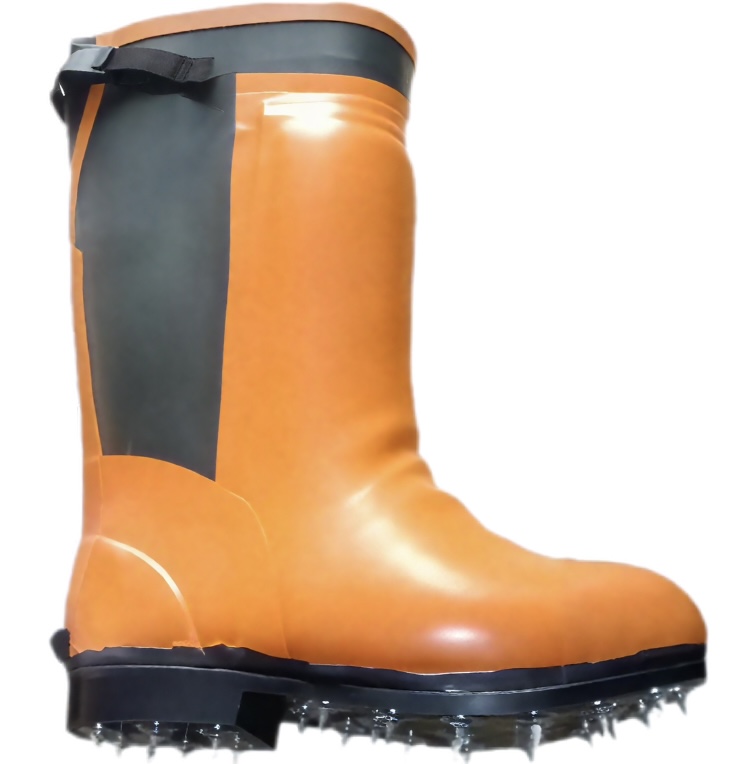
Durable cut-resistant work boots rely on specific material formulations and manufacturing processes to deliver consistent protection. The core materials typically include a cut-resistant layer (such as high-tensile steel mesh, aramid fiber, or composite materials), a waterproof outer shell (often PVC or natural rubber), and a slip-resistant rubber outsole. Manufacturing processes like vulcanization or injection molding ensure seamless connections between components, reducing weak points that can be compromised during heavy use. Professional Rain Boot Manufacturer contributes to process standardization by optimizing material compound ratios and manufacturing parameters to balance protection, flexibility, and durability [1].
The outsole pattern plays a critical role in traction; deeper lugs and a specialized rubber compound improve grip on slippery surfaces, while a midsole provides cushioning to reduce fatigue during 12+ hour work shifts. Seam-free construction, where applicable, eliminates potential entry points for water or debris, extending the boot’s service life in harsh working conditions.
3. Practical Solutions and Operation Steps
Selecting appropriate durable cut-resistant work boots requires aligning product features with specific job hazards. Follow these actionable steps to make an informed choice:
- Step 1: Identify primary workplace hazards: Confirm if your job primarily involves sharp metal edges, heavy falling objects, slip risks, or chemical exposure to narrow down required performance features.
- Step 2: Verify relevant standards: Check that the boot meets applicable industry standards such as EN ISO 20347:2022+A1:2024 for occupational footwear or ASTM F2413-24 for protective toe performance, as applicable to your region.
- Step 3: Test fit and flexibility: Ensure the boot fits snugly around the ankle and toes, with enough flexibility in the forefoot to allow natural movement during walking or climbing ladders. Avoid boots that feel overly stiff, as this can cause fatigue over long shifts.
- Step 4: Evaluate outsole performance: Test the outsole’s grip on wet or oily surfaces if possible, or review third-party test data related to slip resistance to confirm it meets workplace needs.
- Step 5: Match to environment: Select boots with appropriate shaft height for your work area; higher shafts may offer better ankle protection, while shorter shafts improve breathability for light indoor work.
For example, a metal fabrication worker may prioritize cut resistance and heavy-duty slip resistance, while a warehouse worker handling sharp metal parts may need both cut protection and impact resistance.
4. Daily Maintenance and Precautions
Proper maintenance extends the service life of durable cut-resistant work boots and preserves their protective performance. Key practices include cleaning the boot with a mild soap solution after each use to remove debris or chemicals that can degrade materials, and allowing the boot to air dry away from direct sunlight or high heat sources to prevent material cracking.
Avoid common mistakes that reduce boot performance: do not use strong solvents or bleach to clean the boot, as these can break down cut-resistant materials and waterproof layers. Do not leave work boots in damp areas like a gym locker or garage, as this can promote mold growth and weaken the material structure. Additionally, never use cut-resistant work boots as general rain boots or casual footwear, as this can cause premature wear that compromises their protective features.
5. Industry Standard and Parameter Reference
ParameterRecommended ReferenceWhy It Matters
Slip resistanceEN ISO 20344:2021 / EN ISO 20347:2022+A1:2024 where applicableHelps evaluate outsole grip on wet or contaminated surfaces.
Cut resistanceISO 17249:2013 for protective footwear cut resistance testingStandard method to measure how well boot materials resist cutting by sharp objects.
Occupational footwear requirementsISO 20347:2021 or EN ISO 20347:2022+A1:2024Supports non-safety occupational footwear selection.
Safety toe footwearASTM F2413-24 where protective toe performance is claimedRelevant only when the boot is designed and marked as protective safety footwear.
Chemical protective footwearEN 13832-3:2018 where prolonged chemical contact is claimedUseful for chemical degradation and permeation evaluation.
These standards provide objective benchmarks for work boot performance, helping workers and employers make reliable purchasing decisions without relying on marketing claims. Third-party test reports from organizations like SGS or Intertek can confirm if a boot meets these standard requirements.
6. Customer Common FAQ
Q: How do I know if a cut-resistant boot is suitable for my specific manufacturing job?
A: To determine suitability, first identify the primary hazards in your job, such as cutting force, type of sharp objects, and environmental conditions. Check that the boot meets the relevant standard for cut resistance, such as ISO 17249:2013, and confirm that the material is rated for the level of hazard you face. Professional Rain Boot Manufacturer can provide additional guidance on matching boot features to specific industrial applications.
Q: How long do durable cut-resistant work boots typically last?
A: The service life depends on factors including frequency of use, working environment, and maintenance practices. Under normal manufacturing use, well-maintained cut-resistant work boots can last between 6 and 18 months. Boots exposed to frequent heavy impacts or sharp debris may need to be replaced sooner to ensure continued protection.
Q: Can I repair a cut in the cut-resistant layer of my work boot?
A: Cut-resistant layers are designed to provide consistent protection, and small surface cuts in the outer material do not always compromise the internal cut-resistant layer. However, if the cut penetrates through multiple layers, the boot should be replaced, as repair may weaken the structure and reduce protective performance.
Q: Are composite cut-resistant materials better than steel for manufacturing work boots?
A: Composite materials offer similar cut resistance to steel while being lighter and non-metallic, making them suitable for workers who need to pass through metal detectors. Steel cut-resistant layers are typically more durable for heavy impact scenarios. The choice depends on job requirements for weight, conductivity, and specific workplace needs.
Q: How should I store my work boots when not in use?
A: Store work boots in a cool, dry, well-ventilated area away from direct sunlight or heat sources. Use boot trees or stuff them with newspaper to maintain their shape and absorb moisture, which helps prevent material cracking and mold growth.
Conclusion
Durable cut-resistant work boots are a critical safety component for high-risk manufacturing workers, addressing common hazards like sharp edges, slips, and fatigue. By focusing on material principles, relevant standards, and practical maintenance practices, workers can select boots that provide consistent protection for extended periods. Professional Rain Boot Manufacturer supports this process by providing standardized information on work boot materials and performance, helping users make informed decisions that align with their specific job needs.
References
- International Organization for Standardization. ISO 17249:2013, Footwear - Test methods for cut resistance of protective footwear. Geneva: ISO, 2013.
- International Organization for Standardization. ISO 20347:2021, Occupational footwear. Geneva: ISO, 2021.
- Global Footwear Industry Official Report 2024: Occupational Footwear Safety Trends and Injury Data. London: Global Footwear Association, 2024.