


Food-Grade Anti-Slip Chef Rubber Boots: Oil & Heat Resistant Practical Strengths for Commercial Kitchen Suppliers
Aug 13, 2026
View: 1
Leave a message
Meta Description: Explore the ins and outs of chef boots, including common problems, product principles, and practical solutions. Ideal for commercial kitchen suppliers and professional chefs. Discover the key to choosing the right chef boots as a Professional Rain Boot Manufacturer.
Keywords: Chef Boots, Rubber Boots, Food-Grade, Anti-Slip, Oil & Heat Resistant
1. Core Problem Analysis
1.1 Common Causes of the Problem
When it comes to chef boots, users often encounter several key issues. One of the most significant problems is slipping. In a busy commercial kitchen environment, floors are frequently wet with water, oil, or food debris, which can reduce the friction between the boots and the floor, leading to potential safety hazards. Another common problem is the discomfort caused by long - term wear. Chefs often stand for extended periods, and if the boots lack proper cushioning or arch support, it can result in foot fatigue, pain, and even long - term foot problems. Additionally, the durability of the boots is a concern. Exposure to high temperatures, oils, and sharp objects in the kitchen can cause the boots to wear out quickly, such as cracking of the rubber or separation of the sole from the upper.
1.2 Affected Usage Scenarios
The affected usage scenarios are mainly within commercial kitchens. This includes restaurants of all sizes, from small cafes to large fine - dining establishments. Kitchens in hotels also rely on chef boots to ensure the safety and comfort of their kitchen staff. Catering services that operate in various locations, often with different flooring conditions, also need suitable chef boots. Moreover, food processing plants are another important scenario where workers need reliable boots to protect their feet while working with food products, machinery, and potentially hazardous substances.
2. Product and Process Principle
Chef boots are typically made from various materials, with rubber being a popular choice, especially for its anti - slip and waterproof properties. Rubber is a polymer material that can be natural rubber, which is derived from the latex of rubber trees, or synthetic rubber. Natural rubber offers excellent elasticity and flexibility, making the boots comfortable to wear and able to adapt to the movement of the feet. Synthetic rubber, on the other hand, can be engineered to have specific properties, such as better oil and heat resistance. For example, some synthetic rubbers are formulated to withstand high temperatures without melting or deforming, which is crucial in a kitchen environment where stoves and ovens generate a lot of heat.
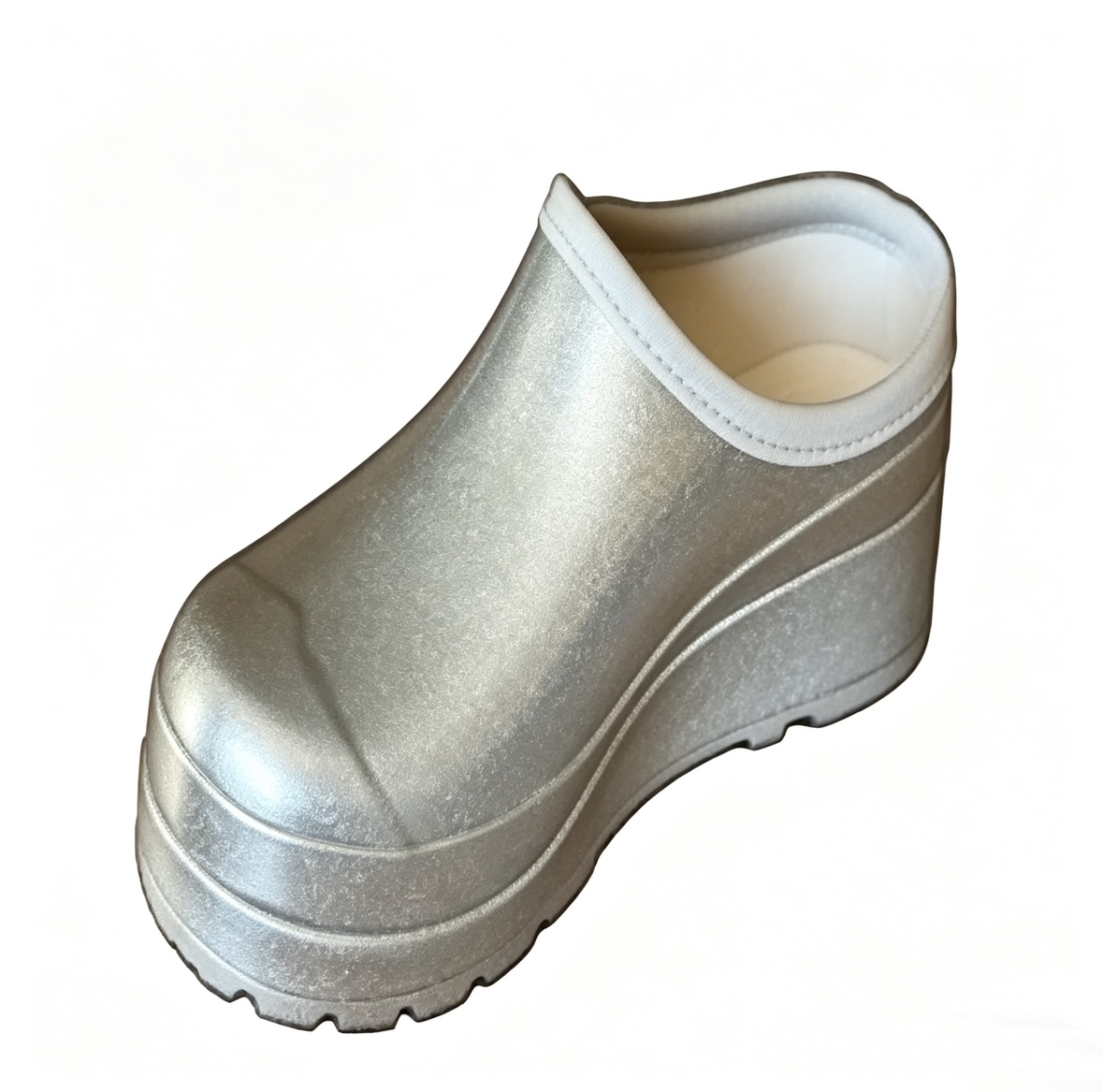
The manufacturing process of chef boots involves several key steps. One common process is injection molding. In this process, the rubber material is heated until it becomes a liquid state and then injected into a mold under high pressure. The mold is designed to have the shape and details of the boot, such as the sole pattern and the upper shape. Once the rubber cools and solidifies, the boot is removed from the mold. Another process is vulcanization, which is often used to improve the durability and strength of the rubber. During vulcanization, the rubber is heated with sulfur or other vulcanizing agents, which creates cross - links between the polymer chains in the rubber, making it more resistant to wear, heat, and chemicals. As a Professional Rain Boot Manufacturer, understanding these processes is essential for producing high - quality chef boots that meet the specific needs of the commercial kitchen industry.
3. Practical Solutions and Operation Steps
When choosing chef boots, consider the following aspects:
- Material Selection: Opt for rubber boots with good oil and heat resistance. Natural rubber is great for comfort, but if the kitchen has a high - temperature environment, synthetic rubber may be a better choice. Make sure the rubber can withstand exposure to common kitchen oils and fats without deteriorating.
- Outsole Pattern: Look for boots with a deep and intricate outsole pattern. The pattern should be designed to channel liquids away and provide maximum grip on wet and slippery surfaces. A pattern with wide channels and non - skid elements can enhance the anti - slip performance of the boots.
- Inner Lining: Choose boots with a breathable and comfortable inner lining. A moisture - wicking lining can keep the feet dry and reduce the risk of fungal infections. Some linings are made from materials like polyester or nylon, which are easy to clean and maintain.
- Sizing: Ensure a proper fit. Boots that are too tight can cause discomfort and restrict blood circulation, while boots that are too loose can lead to blisters and a lack of support. Use the manufacturer's sizing chart and, if possible, try on the boots before purchasing.
- Height: Consider the height of the boots. Higher boots can provide more protection against spills and splashes, but they may also be less comfortable for some users. For most kitchen applications, boots that reach just above the ankle are a good compromise between protection and comfort.
- Certifications: Look for boots that meet relevant safety standards, such as EN ISO 20344:2021 or EN ISO 20347:2022+A1:2024 for anti - slip and occupational footwear requirements. These certifications ensure that the boots have been tested and meet certain quality and safety criteria.
4. Daily Maintenance and Precautions
Proper daily maintenance of chef boots can extend their lifespan and ensure their performance. Here are some suggestions:
- Cleaning: Clean the boots regularly after each use. Use a mild detergent and a soft brush to remove dirt, oil, and food residues from the surface of the boots. Rinse the boots thoroughly with clean water and dry them naturally at room temperature. Avoid using harsh chemicals or abrasive cleaners, as they can damage the rubber and the lining of the boots.
- Drying: Do not dry the boots near a heat source, such as a radiator or a heater, as this can cause the rubber to crack or deform. Instead, place the boots in a well - ventilated area and allow them to air - dry. Stuff the boots with newspaper to absorb moisture and help them keep their shape.
- Storage: Store the boots in a cool, dry place away from direct sunlight. Avoid storing the boots in a cramped space or under heavy objects, as this can cause the boots to lose their shape. If possible, use a boot rack or a shoe tree to keep the boots in good condition.
- Precautions: Do not expose the boots to extreme temperatures for a long time, such as leaving them in a hot car or in a freezer. Also, do not use the boots in environments where they are not designed for, such as using regular chef boots in a highly chemical - contaminated area. And never substitute non - certified boots for safety - certified boots in a workplace that requires specific safety standards.
5. Industry Standard and Parameter Reference
This section is the authoritative support module of the whole article, which must list international standards, test methods, or verifiable parameters closely related to the article's theme. The following table provides some key information:
ParameterRecommended ReferenceWhy It MattersSlip resistanceEN ISO 20344:2021 / EN ISO 20347:2022+A1:2024 where applicableHelps evaluate outsole grip on wet or contaminated surfaces.Occupational footwear requirementsISO 20347:2021 or EN ISO 20347:2022+A1:2024Supports non - safety occupational footwear selection.Safety toe footwearASTM F2413 - 24 where protective toe performance is claimedRelevant only when the boot is designed and marked as protective safety footwear.Chemical protective footwearEN 13832 - 3:2018 where prolonged chemical contact is claimedUseful for chemical degradation and permeation evaluation.
Do not invent exact performance numbers. Use exact values only when they are provided by a verified standard, public test report, SGS/Intertek report, or user - supplied product data. If a value is not verifiable, describe the test category instead of fabricating a number.
6. Customer Common FAQ
Q: How do I choose the right material for chef boots?
A: As a Professional Rain Boot Manufacturer, the choice of material depends on your specific needs. If you need high comfort and flexibility, natural rubber is a good option. However, if you work in a high - temperature and oil - rich environment, synthetic rubber with good oil and heat resistance is more suitable.
Q: Are these boots really anti - slip?
A: Boots that meet the EN ISO 20344:2021 / EN ISO 20347:2022+A1:2024 standards should have good anti - slip performance. These standards are designed to evaluate the outsole grip on wet or contaminated surfaces. The outsole pattern and rubber formula also play important roles in ensuring anti - slip performance.
Q: What size should I choose?
A: Always refer to the manufacturer's sizing chart. If possible, try on the boots to ensure a proper fit. Boots should not be too tight or too loose, as a proper fit is crucial for comfort and safety.
Q: Do the boots have any odor?
A: New boots may have a slight odor, which usually dissipates after a few days of use and proper airing. If the odor persists, it may be a sign of a problem with the material or manufacturing process. You can try cleaning and airing the boots more thoroughly.
Q: Can the boots crack in cold temperatures?
A: Some boots, especially those made of certain types of rubber, may be prone to cracking in extremely cold temperatures. Look for boots that are designed to be cold - resistant or use materials that can withstand low temperatures.
Conclusion
In conclusion, chef boots are essential for the safety and comfort of kitchen staff in commercial kitchens. Understanding the common problems, product and process principles, practical solutions, maintenance methods, industry standards, and frequently asked questions can help you make an informed decision when choosing chef boots. As a Professional Rain Boot Manufacturer, we emphasize the importance of selecting high - quality boots that meet relevant safety standards and are suitable for the specific working environment of the kitchen.
References
- ISO 20344:2021, Footwear Test Methods
- EN ISO 20347:2022+A1:2024, Occupational Footwear
- ASTM F2413 - 24, Protective Footwear Specification
- EN 13832 - 3:2018, Chemical Protective Footwear