


Functional Benefits of Specialized Fishing Boots for Sharp‑Rock Shore Fishing Sites
Aug 14, 2026
View: 1
Leave a message
Meta Description: This blog post delves into the functional benefits of specialized fishing boots for sharp - rock shore fishing sites. It's tailored for fishing enthusiasts and professionals seeking high - performance rain boots. We'll cover problems, product principles, solutions, and more. Professional Rain Boot Manufacturer
Keywords: Fishing Boots, Rain Boots, Waterproof Boots, Rubber Boots, Product Selection, Maintenance, Safety Standards
1. Core Problem Analysis
1.1 Common Causes of the Problem
When fishing at sharp - rock shore sites, fishermen often encounter several problems with their boots. One major issue is the lack of puncture resistance. The sharp rocks can easily pierce through boots with low - quality materials or thin soles, causing damage and even injury to the feet. Another problem is insufficient traction. The wet and uneven surface of the rocks makes it difficult for boots to grip properly, increasing the risk of slips and falls. Additionally, many boots may not provide adequate ankle support on these rough terrains, which can lead to ankle sprains. Poor waterproofing is also a concern, as water can seep into the boots, making the feet wet and uncomfortable, and potentially causing health problems like frostbite in cold weather.
1.2 Affected Usage Scenarios
The affected usage scenario is primarily sharp - rock shore fishing. However, similar problems can also occur in other rocky and wet outdoor activities, such as coastal exploration, rock climbing near water bodies, and some types of marine research work on rocky shores. In these scenarios, boots need to withstand the sharp edges of rocks, provide good grip on wet and uneven surfaces, and keep the feet dry and protected.
2. Product and Process Principle
Professional rain boot manufacturers use various materials and processes to create high - performance fishing boots for sharp - rock shore fishing. Regarding materials, rubber is a common choice. Natural rubber is sourced from the latex of rubber trees, mainly in tropical regions like Thailand and Indonesia. It has excellent elasticity and flexibility, making it comfortable to wear for long periods. When it comes to synthetic materials, PVC is widely used. PVC, a synthetic plastic polymer derived from petrochemicals, is often formulated to enhance durability, resistance to chemicals, oil, and wear. It is suitable for high - volume, automated manufacturing processes like injection molding.
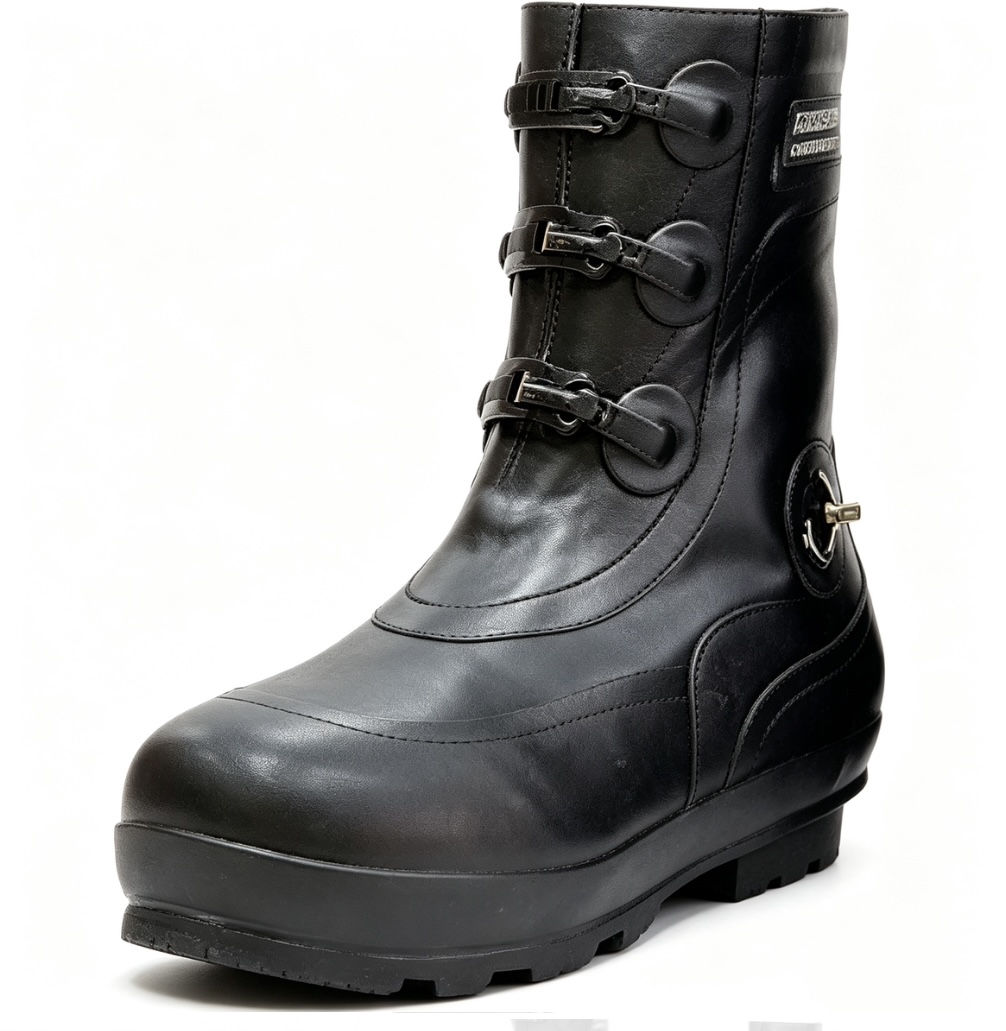
In terms of processes, injection molding is a popular technique. It allows for the efficient production of boots with complex shapes and structures. The molten material is injected into a mold under high pressure, resulting in a consistent and precise final product. Vulcanization is another important process, especially for rubber boots. By heating the rubber with sulfur or other additives, it becomes more durable, elastic, and resistant to heat, aging, and chemicals. The sole pattern is also carefully designed. A deeper and more complex pattern, such as a pattern with a combination of large lugs and small grooves, can improve traction on wet and uneven surfaces. The shaft height of fishing boots is typically designed to provide sufficient protection against water splashes and ankle support on rough terrains. The lining material can affect the comfort of the boots. For example, a moisture - wicking lining can keep the feet dry and comfortable. A professional rain boot manufacturer will carefully control the thickness of different parts of the boot to ensure a balance between protection and flexibility. They also use compound formulations to optimize the performance of the materials, such as adding reinforcing agents to increase puncture resistance.
3. Practical Solutions and Operation Steps
When choosing fishing boots for sharp - rock shore fishing, consider the following steps:
- **Material Selection**: Opt for boots made of puncture - resistant materials. Rubber boots, especially those with a high - quality rubber compound, are a great choice. Synthetic materials like PVC can also work, especially for their durability and chemical resistance. However, if comfort is a top priority, natural rubber may be more suitable.
- **Sole Traction**: Look for boots with a deep and complex sole pattern. A pattern with large lugs and multi - direction grooves can provide better grip on wet and uneven rocks. Check the traction performance, and some boots may have been tested according to standards like EN ISO 20344:2021 to evaluate their grip on wet surfaces.
- **Ankle Support**: Choose boots with a proper shaft height. High - top boots can offer good ankle support, reducing the risk of sprains on rough terrains. Some boots may also have additional ankle padding or support structures.
- **Waterproofing**: Ensure that the boots are waterproof. Boots made with seamless or well - sealed construction, such as those using injection molding or vulcanization processes, are more likely to be waterproof. The lining can also contribute to waterproofing if it is made of a waterproof and breathable material.
- **Size Selection**: Select the right size. Boots that are too tight can cause discomfort and restrict blood circulation, while boots that are too large may not fit properly, affecting the stability and performance. It is recommended to try on the boots with the socks you plan to wear during fishing.
- **Cold Resistance**: If you fish in cold weather, consider boots with good cold - resistance. Some boots are designed to withstand low temperatures, and materials like natural rubber typically have better cold - resistance than PVC.
4. Daily Maintenance and Precautions
After each use, clean the boots thoroughly. Remove any dirt, mud, or salt from the surface using a soft brush and mild soap. Rinse the boots with clean water and allow them to dry naturally in a well - ventilated area, away from direct sunlight or heat sources. Prolonged exposure to sunlight can cause the materials to age and become brittle, and heat can also damage the structure of the boots.
To remove odors, you can place odor - absorbing agents, such as baking soda, inside the boots. To prevent boots from deforming, you can stuff them with newspaper or use boot trees when storing them. Avoid storing boots in a damp environment, as this can lead to mold growth and damage the materials.
Do not use strong solvents or cleaning agents to clean the boots, as they can damage the materials. Also, do not use regular rain boots to replace certified safety boots in situations where safety standards are required, such as in some professional fishing or industrial work environments.
5. Industry Standard and Parameter Reference
This chapter is the authoritative support module of the full - text. It must closely list international standards, testing methods, or verifiable parameters related to the theme of the article. The following is a table of relevant parameters:
ParameterRecommended ReferenceWhy It MattersSlip resistanceEN ISO 20344:2021 / EN ISO 20347:2022+A1:2024 where applicableHelps evaluate outsole grip on wet or contaminated surfaces, crucial for preventing slips on wet rocks during fishing.Occupational footwear requirementsISO 20347:2021 or EN ISO 20347:2022+A1:2024Supports non - safety occupational footwear selection, ensuring that the boots meet basic quality and performance requirements for fishing activities.Safety toe footwearASTM F2413 - 24 where protective toe performance is claimedRelevant only when the boot is designed and marked as protective safety footwear, important for protecting the toes from being crushed by rocks.Chemical protective footwearEN 13832 - 3:2018 where prolonged chemical contact is claimedUseful for chemical degradation and permeation evaluation, which may be relevant if the fishing site is contaminated with chemicals.
Do not invent exact performance numbers. Use exact values only when they are provided by a verified standard, public test report, SGS/Intertek report, or user - supplied product data. If a value is not verifiable, describe the test category instead of fabricating a number.
6. Customer Common FAQ
Q: How do I choose the right material for fishing boots at sharp - rock shore sites?
A: A professional rain boot manufacturer would suggest that if you prioritize comfort and flexibility, natural rubber is a good option. It fits well on the feet and is suitable for long - time wear. However, if durability, chemical resistance, and cost - effectiveness are more important to you, PVC or other synthetic materials may be better. Synthetic materials are also more resistant to punctures from sharp rocks.
Q: What sole pattern is best for traction on sharp and wet rocks?
A: A sole pattern with deep lugs and multi - direction grooves is ideal. This type of pattern can grip the uneven surfaces of the rocks better. According to standards like EN ISO 20344:2021, boots with better traction can reduce the risk of slipping on wet surfaces.
Q: How do I determine the right size of fishing boots?
A: Try on the boots with the socks you'll wear while fishing. Make sure there is enough room for your toes to move freely and that the boots don't feel too tight around the ankles and calves. If you have a high instep, you may need a wider or deeper boot.
Q: My boots have a strange odor. How can I get rid of it?
A: You can place odor - absorbing agents like baking soda inside the boots. Leave them overnight, and the baking soda will help absorb the smell. Make sure the boots are dry before doing this.
Q: Can I use regular rain boots for fishing at sharp - rock shore sites?
A: It is not recommended. Regular rain boots may not have the necessary puncture resistance, traction, and ankle support for sharp - rock shore fishing. A professional rain boot manufacturer can provide boots that are specifically designed to meet the requirements of this challenging environment.
Conclusion
This article has explored the functional benefits of specialized fishing boots for sharp - rock shore fishing sites. The core problems include lack of puncture resistance, low traction, insufficient ankle support, and poor waterproofing. We've learned about the product and process principles, such as the use of materials like rubber and PVC and processes like injection molding and vulcanization. Practical solutions range from material selection to size determination. Daily maintenance and safety precautions are also essential to ensure the longevity of the boots. A professional rain boot manufacturer can offer valuable guidance for choosing the right boots based on international standards and industry - recognized parameters.
References
- ISO 20344:2021, Footwear Test Methods
- ISO 20347:2021, Occupational Footwear
- EN ISO 20347:2022+A1:2024, Footwear - Safety Requirements and Test Methods
- ASTM F2413 - 24, Standard Specification for Performance Requirements for Protective Footwear
- EN 13832 - 3:2018, Protective Footwear Against Chemicals - Requirements and Test Methods