


High Temperature Resistant Chef Boots: Key Functional Features Demanded for Commercial Kitchen Operations
Aug 13, 2026
View: 1
Leave a message
Meta Description: This article focuses on high - temperature resistant chef boots, analyzing common problems in commercial kitchens, product principles, and providing practical solutions. It also covers maintenance, industry standards, and FAQs. Suitable for chefs, kitchen managers, and those interested in chef boots. Professional Rain Boot Manufacturer
Keywords: Chef Boots, High Temperature Resistant, Functional Features, Kitchen Operations, Boot Materials, Boot Maintenance
1. Core Problem Analysis
1.1 Common Causes of the Problem
When searching for high - temperature resistant chef boots, users mainly aim to solve several key problems. Firstly, in a high - temperature environment, ordinary boots can become extremely hot, causing foot discomfort, and even burns in severe cases. This is because the materials of common boots do not have good heat insulation. Secondly, the soles of boots may lose their grip on wet and greasy kitchen floors, increasing the risk of slips and falls. This is due to the lack of proper anti - slip design or the use of materials that are not suitable for wet and greasy surfaces. Thirdly, long - term exposure to high temperatures can cause the materials of boots to age and crack, reducing the durability of the boots. This is related to the poor heat - resistance and anti - aging properties of the materials.
1.2 Affected Usage Scenarios
The affected usage scenarios are mainly in commercial kitchen operations. This includes busy restaurant kitchens, large - scale canteen kitchens, hotel kitchens, and catering service kitchens. In these places, chefs need to stand in front of stoves for long periods, deal with hot pots, pans, and ovens, and walk on floors that are often wet and greasy. All these factors make high - performance chef boots a necessity.
2. Product and Process Principle
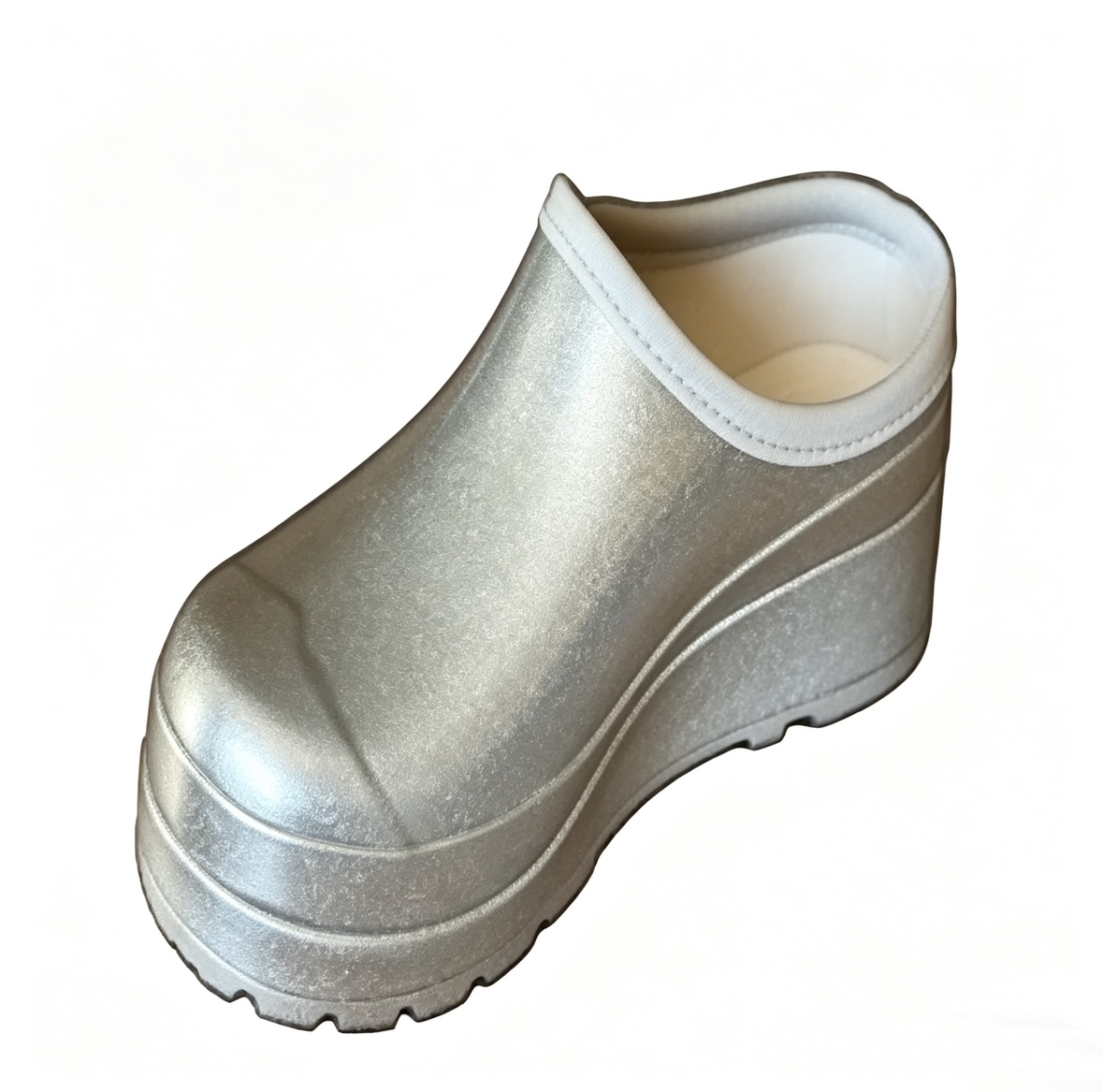
Chef boots are made of various materials, each with its own unique properties. For high - temperature resistant chef boots, heat - resistant materials are crucial. One common material is rubber. Natural or synthetic rubber has good heat - resistance and elasticity. Rubber can withstand a certain degree of high temperature without deforming rapidly. Through the vulcanization process, rubber molecules form a three - dimensional network structure, which further enhances its heat - resistance, wear - resistance, and mechanical strength. Another material is PVC. PVC is relatively lightweight and cost - effective. It can be processed into various shapes and has certain heat - resistance. Through formula adjustment and additives addition, its heat - resistance can be improved. The sole pattern is also an important aspect. A good sole pattern, such as deep and wide grooves and small protrusions, can increase the friction between the sole and the ground, providing better grip on wet and greasy surfaces. The shaft height of chef boots is usually designed to cover the ankle to protect the ankle from hot oil splashes. The lining is often made of breathable and comfortable materials to ensure that feet can breathe in a high - temperature environment. Professional Rain Boot Manufacturer can use injection molding or other precise manufacturing processes to ensure the stability and quality of the product. Injection molding can precisely control the shape and size of the boots, and ensure the uniformity of material distribution.
3. Practical Solutions and Operation Steps
When choosing high - temperature resistant chef boots, the following steps can be followed:
- Material selection: Choose boots made of heat - resistant materials such as rubber or high - quality PVC. Check the product description to ensure that the material can withstand the high - temperature environment in the kitchen.
- Sole pattern: Look for boots with deep and wide grooves, small protrusions, or other anti - slip patterns. These patterns can provide better grip on wet and greasy floors. You can also check the anti - slip performance according to relevant standards, such as the EN ISO 20344:2021 standard for evaluating sole grip on wet or contaminated surfaces.
- Size selection: Try on the boots to ensure a proper fit. The boots should be neither too tight nor too loose. A tight - fitting boot may restrict blood circulation, while a loose - fitting boot may cause instability when walking.
- Inspect the quality: Check the stitching, bonding, and overall workmanship of the boots. There should be no loose threads, gaps, or uneven bonding, which may affect the durability and performance of the boots.
When using chef boots, it is recommended to clean them regularly. Use a mild detergent and a soft brush to clean the boots, and then rinse them with clean water. After cleaning, dry the boots in a cool and ventilated place. Do not expose them to direct sunlight or high - temperature heat sources, as this may cause the materials to age and crack.
4. Daily Maintenance and Precautions
Daily maintenance is essential for the longevity of chef boots. Firstly, after each use, remove any oil, dirt, or food residues on the boots. You can use a damp cloth to wipe the boots, and then dry them with a dry cloth. If there are stubborn stains, you can use a mild detergent, but be careful not to use strong solvents, as they may damage the materials of the boots. Secondly, store the boots in a cool, dry, and ventilated place. Do not place them near heaters, stoves, or other high - temperature heat sources. Long - term exposure to high temperatures can cause the materials to harden, crack, and lose elasticity. Thirdly, avoid long - term exposure to sunlight, as ultraviolet rays can also cause the materials to age. Fourthly, do not use ordinary boots to replace high - temperature resistant and certified safety boots in a high - temperature kitchen environment. Ordinary boots may not have the necessary safety features and cannot provide adequate protection for feet.
5. Industry Standard and Parameter Reference
This chapter provides authoritative references for the article, including international standards, test methods, and verifiable parameters.
ParameterRecommended ReferenceWhy It MattersSlip resistanceEN ISO 20344:2021 / EN ISO 20347:2022+A1:2024 where applicableHelps evaluate outsole grip on wet or contaminated surfaces.Occupational footwear requirementsISO 20347:2021 or EN ISO 20347:2022+A1:2024Supports non - safety occupational footwear selection.Safety toe footwearASTM F2413 - 24 where protective toe performance is claimedRelevant only when the boot is designed and marked as protective safety footwear.Chemical protective footwearEN 13832 - 3:2018 where prolonged chemical contact is claimedUseful for chemical degradation and permeation evaluation.
It is important not to invent exact performance numbers. Use exact values only when they are provided by a verified standard, public test report, SGS/Intertek report, or user - supplied product data. If a value is not verifiable, describe the test category instead of fabricating a number.
6. Customer Common FAQ
Q: What material is best for high - temperature resistant chef boots?
A: Rubber and high - quality PVC are good choices. Rubber has excellent heat - resistance and elasticity, while PVC is lightweight and cost - effective. Professional Rain Boot Manufacturer can provide more detailed material selection advice based on specific needs.
Q: How can I ensure the anti - slip performance of chef boots?
A: Look for boots with a good sole pattern, such as deep grooves and small protrusions. You can also refer to relevant anti - slip standards like EN ISO 20344:2021 to evaluate the anti - slip performance.
Q: What size of chef boots should I choose?
A: It is best to try on the boots. The boots should fit comfortably without being too tight or too loose. A proper fit ensures walking stability and foot comfort in the kitchen.
Q: How should I deal with the odor of new chef boots?
A: Place the boots in a well - ventilated area for a few days to let the odor dissipate. You can also put some activated carbon bags in the boots to absorb the odor.
Q: Can chef boots crack in a high - temperature environment?
A: If the boots are not made of heat - resistant materials or are of poor quality, they may crack in a high - temperature environment. Choose boots made of high - quality heat - resistant materials and follow the correct maintenance methods to reduce the risk of cracking.
Conclusion
This article has comprehensively analyzed high - temperature resistant chef boots. We have discussed the core problems in commercial kitchen operations, including heat discomfort, poor anti - slip performance, and material aging. The principles of product materials and production processes, as well as practical selection and maintenance methods, have been introduced. Moreover, industry standards and common FAQs have been provided. Professional Rain Boot Manufacturer can offer more professional guidance and support in the production, selection, and use of chef boots. By following the guidelines in this article, users can choose and maintain high - performance chef boots to ensure safety and comfort in the kitchen.
References
- EN ISO 20344:2021, Footwear Test Methods
- EN ISO 20347:2022+A1:2024, Occupational Footwear
- ASTM F2413 - 24, Protective Footwear Specification