


How Acid and Oil Resistant Safety Boots Meet the Demands of Corrosive Industrial Environments
Sep 3, 2026
View: 0
Leave a message
Meta Description: This article delves into the challenges faced by safety boots in corrosive industrial settings, such as acid and oil exposure. It explores the materials and processes used to make acid and oil resistant safety boots, providing practical solutions for selection and usage. It also offers maintenance advice and references industry standards. Suitable for industrial workers, safety managers, and procurement personnel. Professional Rain Boot Manufacturer
Keywords: acid and oil resistant safety boots, rain boots, rubber boots, waterproof boots, boot material, boot process, boot maintenance, industrial safety boots
1. Core Problem Analysis
1.1 Common Causes of the Problem
When searching for acid and oil resistant safety boots, users often aim to solve several critical problems. One major issue is the protection of feet from chemicals such as acids and oils in industrial environments. These substances can cause chemical burns, corrosion, and long - term damage to the skin and feet. Besides, boots in such settings may face wear and tear from rough surfaces, leading to cracks or holes that compromise their protective function. Additionally, feet can get hot and sweaty inside boots, and improper ventilation can cause discomfort and even skin diseases. Slippery floors, which are often present in industrial areas with oil spills or wet conditions, also pose a significant risk of falls and injuries. Another problem is ensuring the right fit in terms of size and width, as ill - fitting boots can cause blisters and foot fatigue over time. Moreover, the aging of boot materials due to exposure to chemicals and the environment can reduce their effectiveness and durability.
1.2 Affected Usage Scenarios
Several industrial scenarios are greatly affected by the need for acid and oil resistant safety boots. In chemical manufacturing plants, workers are constantly exposed to various acids and oils during the production process. For example, in the production of fertilizers, strong acids are used, and any contact with the feet can have serious consequences. Oil refineries are another high - risk environment, where crude oil, refined products, and various chemicals are present. Workers may come into direct or indirect contact with these substances during maintenance, inspection, or production operations. In printing factories, oil - based inks are commonly used, and spills can occur on the floor. Food processing industries also require acid and oil resistant boots, especially in areas where acidic cleaning agents are used to maintain hygiene standards. Waste management facilities, where workers handle waste that may contain acids or oils, and metalworking industries, where coolants and lubricants are used, also rely on these boots for safety.
2. Product and Process Principle
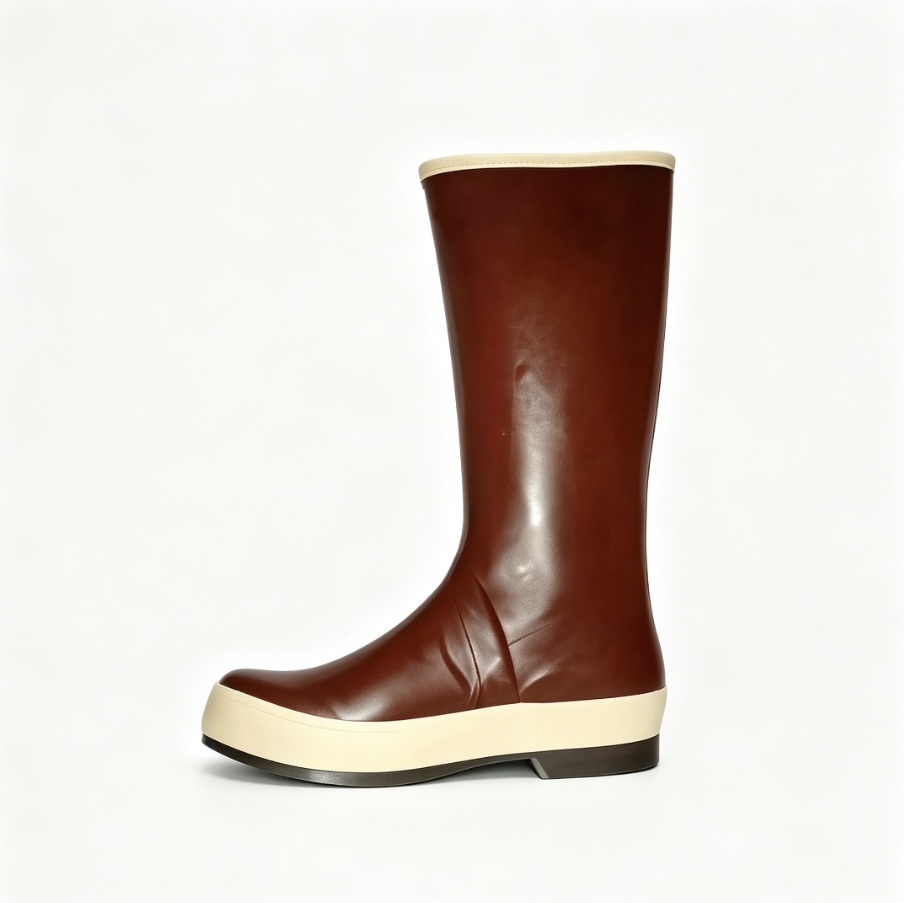
Understanding the materials and processes of acid and oil resistant safety boots is crucial for users. These boots are often made from specialized materials designed to withstand chemical attacks. One of the common materials is rubber, which can be natural or synthetic. Natural rubber offers good elasticity, flexibility, and resistance to abrasion. However, for better chemical resistance, synthetic rubbers like nitrile rubber (NBR) are preferred. Nitrile rubber has excellent resistance to oils, fuels, and many chemicals, making it a popular choice for industrial safety boots. It can prevent the penetration of acids and oils, protecting the feet from harm. The outsole of the boot is usually made of a high - friction rubber compound. The pattern on the outsole is designed to enhance grip on slippery surfaces. Deep grooves and channels can help to channel water, oil, or other liquids away from the sole, reducing the risk of slipping.
In the manufacturing process, injection molding is a common method. In this process, the molten rubber material is injected into a mold cavity under high pressure. This ensures a precise shape and a seamless structure, which is crucial for preventing leaks and enhancing the boot's overall durability. Another important process is vulcanization. Vulcanization is a chemical process that uses sulfur or other curatives to cross - link the rubber molecules. This makes the rubber more stable, resistant to heat, and better able to withstand the effects of chemicals. The lining of the boot also plays a role. A moisture - wicking lining can keep the feet dry and comfortable by pulling sweat away from the skin. Some linings are also treated with antibacterial agents to prevent the growth of bacteria and fungi. A Professional Rain Boot Manufacturer uses these advanced materials and processes to ensure the boots meet the high - quality and safety standards required in corrosive industrial environments.
3. Practical Solutions and Operation Steps
Selecting the right acid and oil resistant safety boots involves considering several factors. Firstly, when it comes to materials, if the environment mainly involves oil exposure, nitrile rubber boots are a great option. However, if acid resistance is the primary concern, materials like neoprene or specific acid - resistant polymers may be more suitable. For the shaft height, in environments where there is a risk of splashing or deep - water immersion, high - shaft boots that reach above the ankle or even up to the calf are recommended. These provide better protection against chemical spills. On the other hand, in areas with less risk of splashing, low - shaft boots can offer more flexibility and comfort.
- 1. **Sole and Lining Selection**: The sole's pattern should be considered based on the working surface. Deep, multi - directional grooves are ideal for slippery floors. For the lining, opt for moisture - wicking materials if you will be on your feet for long periods. Additionally, if you have sensitive skin, choose linings that are hypoallergenic.
- 2. **Size and Fit**: It's important to measure your feet accurately before purchasing. Try on boots at the end of the day when your feet are slightly swollen, as this is the size you will need for all - day comfort. Make sure there is enough room in the toe box to wiggle your toes, and the boot should fit snugly around the heel to prevent slippage.
- 3. **Safety Ratings**: Check for industry - recognized safety ratings. For example, according to ISO 20347:2021, safety boots should meet certain standards for protection against various hazards. Look for boots that are marked with relevant safety certifications, which indicate they have passed rigorous testing for acid and oil resistance, as well as other safety features like toe protection and slip resistance.
- 4. **Cleaning and Inspection**: Regularly clean the boots with mild soap and water after each use, especially if they have been exposed to chemicals. Inspect the boots for any signs of damage, such as cracks, holes, or signs of chemical degradation. If any damage is found, replace the boots immediately to ensure continued safety.
4. Daily Maintenance and Precautions
Proper maintenance of acid and oil resistant safety boots is essential for their longevity and effectiveness. After each use, remove any dirt, oil, or chemicals from the boots. Use a soft brush or cloth to clean the surface, and then rinse the boots with clean water. Avoid using harsh detergents or solvents, as these can damage the rubber or other materials in the boots. When drying the boots, do not expose them to direct sunlight or a heat source, as this can cause the rubber to harden and crack. Instead, let them air - dry at room temperature. To remove unpleasant odors, you can insert odor - absorbing insoles or sprinkle baking soda inside the boots and leave it overnight.
There are also several precautions to keep in mind. Do not use these boots for tasks they are not designed for. For example, do not use regular acid and oil resistant boots in high - voltage electrical environments, as they may not provide the necessary electrical insulation. Avoid storing the boots in areas with high humidity or extreme temperatures, as this can accelerate the aging of the materials. This can cause the boots to become brittle and lose their flexibility, increasing the risk of cracking. Additionally, never ignore small signs of damage, as they can quickly turn into major issues that compromise the safety of the boots.
5. Industry Standard and Parameter Reference
This section provides important industry standards and parameters to ensure the reliability of acid and oil resistant safety boots. The following table lists key parameters, recommended references, and their importance:
ParameterRecommended ReferenceWhy It MattersSlip resistanceEN ISO 20344:2021 / EN ISO 20347:2022+A1:2024 where applicableHelps evaluate outsole grip on wet or contaminated surfaces.Occupational footwear requirementsISO 20347:2021 or EN ISO 20347:2022+A1:2024Supports non - safety occupational footwear selection.Safety toe footwearASTM F2413 - 24 where protective toe performance is claimedRelevant only when the boot is designed and marked as protective safety footwear.Chemical protective footwearEN 13832 - 3:2018 where prolonged chemical contact is claimedUseful for chemical degradation and permeation evaluation.Acid and oil resistanceSpecific industry - recognized chemical resistance testsEnsures the boots can withstand the specific acids and oils in the workplace.
It's important to note that these standards are intended to provide a reliable basis for the performance and safety of the boots. Always refer to the relevant standards when checking or purchasing acid and oil resistant safety boots.
6. Customer Common FAQ
Q: What material is best for acid and oil resistant boots?
A: For boots that need to resist both acids and oils, nitrile rubber is often a good choice. It offers excellent resistance to oils and many chemicals, including some acids. However, in more extreme acid - heavy environments, neoprene or specialized acid - resistant polymers may be more appropriate. A Professional Rain Boot Manufacturer can provide more advice based on specific workplace chemicals.
Q: How can I ensure the boots have good slip resistance?
A: Look for boots that meet the slip - resistance standards such as EN ISO 20344:2021. Also, check the outsole pattern, with deep, multi - directional grooves being ideal. Some boots are also tested on different surfaces to ensure reliable grip on wet or contaminated floors.
Q: What size should I choose?
A: Measure your feet accurately and consider the fact that feet may swell slightly during the day. It's advisable to try on boots at the end of the day. There should be enough room in the toe box for toe movement, and the boot should fit snugly around the heel to prevent slipping.
Q: Do these boots have a strong smell?
A: New boots may have a slight odor due to the materials and manufacturing process. This can usually be reduced by letting the boots air out in a well - ventilated area for a few days. Some boots with a moisture - wicking or antibacterial lining may help reduce long - term odors.
Q: Can I use these boots in cold environments?
A: It depends on the material. Some rubber materials can become brittle in cold temperatures, reducing their flexibility and potentially compromising their protective function. Check the temperature range specified by the manufacturer. If you work in cold conditions, look for boots with insulation or cold - resistant materials.
Conclusion
In conclusion, acid and oil resistant safety boots are essential for workers in corrosive industrial environments. Understanding the core problems, such as chemical exposure, wear and tear, and foot discomfort, is the first step. The materials and processes used in these boots, such as nitrile rubber and injection molding, play a crucial role in providing protection. When selecting boots, factors like material, shaft height, sole pattern, and size should be carefully considered. Additionally, proper daily maintenance and adherence to safety precautions are necessary to ensure the boots' effectiveness and longevity. A Professional Rain Boot Manufacturer can offer valuable advice on product selection and usage, helping workers make informed decisions to protect their feet in the workplace.
References
- ISO 20347:2021, Occupational Footwear
- EN ISO 20344:2021, Footwear Test Methods
- EN ISO 20347:2022+A1:2024
- ASTM F2413 - 24, Protective Footwear Specification
- EN 13832 - 3:2018, Chemical Protective Footwear