


How Anti-smash Boots Function in High-Impact Construction Site Work
Oct 12, 2026
View: 0
Leave a message
Meta Description: This article explores how anti-smash boots perform in high-impact construction site operations, addressing common pain points like foot injury risks, slip hazards, and material durability. It covers key factors for selecting suitable anti-smash boots for construction work environments, with practical guidance for users, and includes professional insights from a Professional Rain Boot Manufacturer.
Keywords: anti-smash boots, construction safety footwear, work boot materials, high-impact site footwear, boot maintenance, occupational footwear standards
1. Core Problem Analysis
1.1 Common Causes of the Problem
Users searching for anti-smash boots in construction settings often face unresolved issues related to foot protection failure, excessive weight that causes fatigue, poor ventilation leading to foot odor, and insufficient slip resistance on wet or debris-covered surfaces. Common causes include incorrect material selection, improper sizing that compromises fit, and failure to maintain the boots to retain protective properties over time.
1.2 Affected Usage Scenarios
High-impact construction site operations include tasks like material handling, steel reinforcement work, concrete pouring, and equipment operation. These scenarios expose footwear to falling objects, sharp metal edges, uneven ground, and constant contact with debris, making standard boots insufficient. Anti-smash boots are designed specifically for these environments, but their performance varies based on design and construction.
2. Product and Process Principle
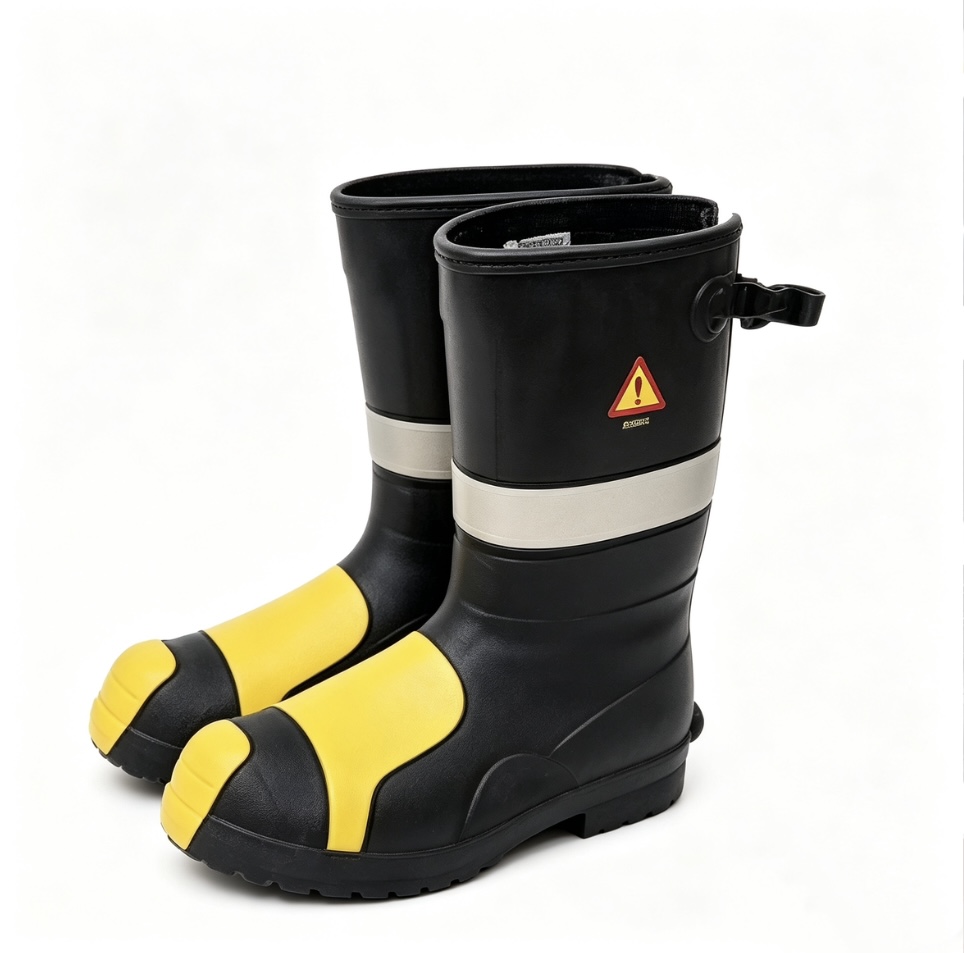
Anti-smash boots use a protective toe cap, typically made of materials like steel, composite fiber, or aluminum, to resist compression and impact from falling objects. The shaft of the boot is constructed with thick, puncture-resistant rubber or PVC to prevent penetration from sharp debris. Sole units are often built with deep lugs for traction, and linings are designed to balance protection with breathability. According to ISO 20344:2021, protective toe caps must withstand a minimum impact force of 200 joules and a compression force of 15 kilonewtons to meet basic safety requirements.
A Professional Rain Boot Manufacturer notes that production processes for anti-smash boots integrate vulcanized rubber for durability and seam-free construction to eliminate weak points that could fail under high stress. Material compound formulation is adjusted to provide flexibility in cold temperatures while maintaining structural integrity, a key consideration for outdoor construction sites operating in varying weather conditions.
3. Practical Solutions and Operation Steps
Selecting appropriate anti-smash boots for high-impact construction sites requires a structured approach. Follow these actionable steps to ensure optimal performance:
- Verify that the boot meets relevant occupational safety standards, such as EN ISO 20347:2022+A1:2024 or ASTM F2413-24, which define protective requirements for anti-smash footwear.
- Assess the specific hazards of your work area: for areas with heavy falling objects, prioritize boots with steel or reinforced composite toe caps; for environments with frequent chemical contact, add chemical-resistant lining layers.
- Choose boot height based on work tasks: mid-calf shafts are suitable for general construction, while higher shafts may be needed for areas with deep mud or frequent water exposure.
- Test fit by wearing thick work socks and walking on uneven surfaces to ensure the boot does not rub or cause discomfort during full work shifts.
- Inspect boots before each use: check for cracks in the sole, loose stitching, or damaged toe cap that could reduce protective performance.
4. Daily Maintenance and Precautions
Proper maintenance extends the service life of anti-smash boots and preserves their protective properties. After each use, remove debris from the sole and wipe the exterior with a damp cloth. Avoid using strong solvents or abrasive cleaners, as these can degrade rubber materials and compromise waterproofing.
When drying boots, air them in a well-ventilated area away from direct sunlight and high heat sources like heaters or open flames. Excessive heat can warp the toe cap or cause rubber to become brittle, reducing impact resistance. Do not store anti-smash boots in cramped spaces that deform the shaft, as this can affect fit and structural integrity.
A critical precaution: never use standard anti-smash rain boots in environments requiring specialized safety certification, such as areas with high voltage or specific chemical exposure. Always match boot certification to your work site’s hazard classification.
5. Industry Standard and Parameter Reference
ParameterRecommended ReferenceWhy It Matters
Impact resistance (toe cap)ISO 20344:2021 Test Method 7.1Evaluates ability to withstand falling object force, measured in joules.
Compression resistance (toe cap)ISO 20344:2021 Test Method 7.2Assesses protection from heavy loads, measured in kilonewtons.
Slip resistanceEN ISO 20347:2022+A1:2024Helps prevent falls on wet, oily, or debris-covered construction surfaces.
Chemical resistanceEN 13832-3:2018 (for contact tasks)Relevant for work with construction chemicals or concrete additives.
Low-temperature flexibilityISO 20344:2021 Test Method 8.5Ensures boot functionality in cold construction environments, measured at -20°C.
All performance claims must be verified via third-party testing from accredited bodies like SGS or Intertek, to ensure alignment with standard requirements and avoid unsubstantiated performance promises.
6. Customer Common FAQ
Q: Are composite toe caps as durable as steel toe caps for high-impact construction work?
A: Composite toe caps meet the same impact and compression standards as steel caps per ISO and ASTM specifications. A Professional Rain Boot Manufacturer notes that composite options offer benefits like lower weight and non-metallic construction, suitable for sites with metal detection requirements. Both types perform equally for standard high-impact tasks.
Q: How often should anti-smash boots be replaced for construction use?
A: Replacement depends on usage frequency and wear. Inspect boots monthly for cracks, worn soles, or damaged toe caps. For daily construction use, most boots retain protective properties for 6 to 12 months with proper maintenance. If damage is found before this period, replace immediately.
Q: Can anti-smash boots be used for outdoor work in heavy rain?
A: Many anti-smash boots incorporate waterproof rubber or PVC construction, suitable for rainy conditions. Ensure the boot is marked with waterproof certification matching relevant standards, and avoid exposing non-waterproof anti-smash boots to prolonged water contact, which can degrade materials over time.
Q: What is the difference between anti-smash boots and standard work boots?
A: Standard work boots may offer basic water resistance or traction, but anti-smash boots include reinforced toe caps meeting specific impact and compression standards. They are designed explicitly to protect against falling objects and heavy loads, making them suitable for high-risk construction work.
Q: How should anti-smash boots be cleaned after exposure to construction chemicals?
A: Rinse the boot thoroughly with clean water immediately after exposure to chemicals. Do not use harsh detergents. Dry as recommended, and inspect the toe cap and sole for any signs of chemical degradation, such as swelling or discoloration, which may require replacement.
Conclusion
Anti-smash boots play a critical role in protecting workers in high-impact construction site operations, with performance dependent on proper material selection, compliance with industry standards, and regular maintenance. Key factors include verifying protective certifications, matching boot design to specific work hazards, and following care guidelines to retain performance over time. A Professional Rain Boot Manufacturer emphasizes that aligning boot specifications with site requirements reduces injury risks and extends boot service life, supporting safe and efficient construction work.
References
- International Organization for Standardization, ISO 20344:2021, Footwear - Test methods for whole shoe, 2021
- European Committee for Standardization, EN ISO 20347:2022+A1:2024, Occupational footwear, 2024
- American Society for Testing and Materials, ASTM F2413-24, Standard Specification for Performance Requirements for Foot Protection, 2024
- European Committee for Standardization, EN 13832-3:2018, Chemical protective footwear - Part 3: Requirements and test methods for footwear providing protection against chemicals, 2018