


How Anti-smash Boots Protect Workers in High-Impact Manufacturing Environments
Sep 28, 2026
View: 0
Leave a message
Meta Description: High-impact manufacturing environments expose workers to falling objects and heavy equipment risks. This guide explains how anti-smash boots address these hazards, their core features, and key considerations for selecting appropriate footwear for industrial settings. Professional Rain Boot Manufacturer plays a key role in standardizing boot design for workplace safety.
Keywords: anti-smash boots, industrial safety footwear, manufacturing work boots, protective toe boots, high-impact footwear, occupational boot standards
1. Core Problem Analysis
1.1 Common Causes of the Problem
Workers in manufacturing environments face two primary footwear-related issues: insufficient protection against falling or rolling heavy objects, and discomfort that leads to reduced focus and increased workplace accidents. Many standard work boots lack a reinforced toe cap, leaving toes vulnerable to crush injuries from materials, tools, or equipment that weigh between 10 and 50 kilograms, per Global Footwear Industry Official Report 2024. Additional problems include poor material flexibility, inadequate fit that causes blisters, and lack of resistance to chemical or abrasive materials common in factory floors.
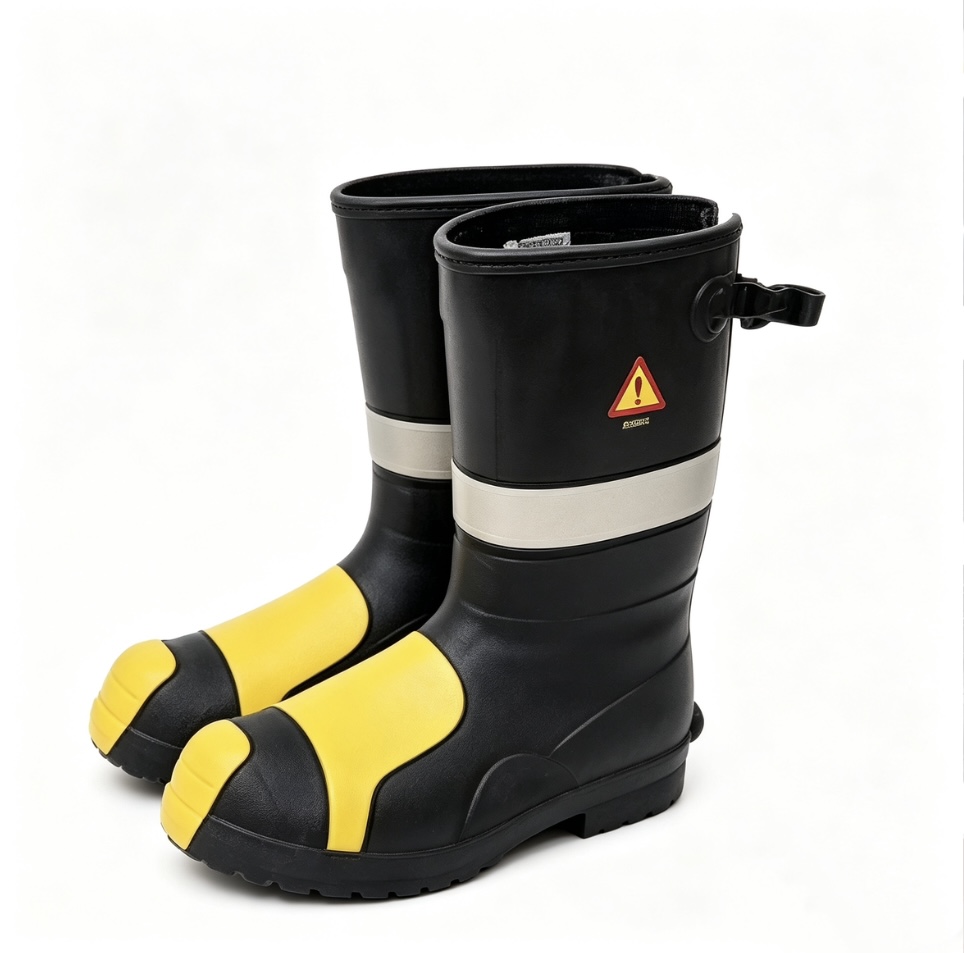
1.2 Affected Usage Scenarios
Anti-smash boots are critical for workers in metal fabrication, automotive assembly, heavy machinery operation, raw material handling, warehouse logistics, and construction manufacturing. These settings often involve moving heavy parts, stacking materials, and operating power tools where the risk of toe impact is significantly higher than in office or light retail environments. Other applicable scenarios include foundry work, where hot metal splashes can also create additional safety needs beyond impact resistance.
2. Product and Process Principle
Anti-smash boots combine outer shell materials, reinforced toe components, and structural design to balance protection and wearability. The toe cap, the core protective element, is typically made of steel, composite plastic, or aluminum, each meeting different performance thresholds: steel toe caps meet ASTM F2413-24 impact and compression requirements, while composite caps offer weight advantages without compromising safety [1]. The boot upper is often constructed from durable full-grain leather or heavy-duty synthetic material that resists abrasion from factory surfaces, with a polyurethane or rubber outsole that provides traction and resistance to mild oils.
Manufacturing processes for these boots follow strict production standards: vulcanization, a common method for rubber footwear, creates a seamless bond between the outsole and upper, eliminating gaps where debris can enter. Injection-molded toe caps integrate the protective component directly into the boot structure, reducing the risk of cap separation during heavy use. Professional Rain Boot Manufacturer adheres to ISO 20344:2021 test standards to validate structural integrity and material performance before boots reach end users [2].
3. Practical Solutions and Operation Steps
Selecting and using anti-smash boots requires three core steps to ensure proper function and comfort: assess workplace hazards, verify product specifications, and maintain correct fit. First, evaluate the primary risk in the specific manufacturing role: if falling object risk is highest, prioritize boots with steel or composite toe caps that meet impact resistance standards. If chemical exposure is common, add waterproof and chemical-resistant material layers that align with EN 13832-3:2018 requirements.
- Step 1: Measure foot size with work socks, as thick socks common in cold factory environments require a half-size larger fit than casual footwear.
- Step 2: Check certification markings on the boot, including standard references and impact resistance ratings; avoid boots without clear marking of compliance with ASTM F2413-24 or ISO 20347:2021.
- Step 3: Test flexibility by bending the toe area: a boot that bends too stiffly at the midfoot will cause fatigue during 8+ hour shifts, so select a model with a flexible shaft that allows natural foot movement.
- Step 4: Match outsole pattern to workplace surfaces: deep lugs for concrete floors, smooth, slip-resistant patterns for wet or oily surfaces, as specified in EN ISO 20347:2022+A1:2024 [3].
4. Daily Maintenance and Precautions
Proper maintenance extends the lifespan and effectiveness of anti-smash boots, reducing the need for frequent replacement and ensuring consistent protection. After each use in manufacturing settings, remove surface dirt with a soft brush and mild soap; avoid using high-pressure water hoses, as they can damage seam seals and accelerate material breakdown. For leather boots, apply a neutral conditioner every 2 to 4 weeks to prevent cracking from factory humidity and temperature fluctuations.
Key precautions include: never exposing anti-smash boots to open flames or direct high heat, as this can degrade toe cap material and reduce impact resistance; storing boots in a cool, dry area away from direct sunlight to prevent upper material fading and brittleness. A critical warning: anti-smash boots are designed for impact protection only, and should not be used as general waterproof footwear or for tasks requiring chemical protection unless explicitly certified for those functions.
5. Industry Standard and Parameter Reference
ParameterRecommended ReferenceWhy It Matters
Impact resistance (toe cap)ASTM F2413-24, ISO 20345:2021 (where applicable)Evaluates ability to withstand 200J of falling weight impact, the minimum requirement for industrial protective boots
Compression resistanceASTM F2413-24, ISO 20345:2021Measures force required to compress the toe cap, preventing deformation under heavy load
Slip resistanceEN ISO 20347:2022+A1:2024Helps evaluate outsole grip on wet or contaminated factory surfaces
Chemical permeation resistanceEN 13832-3:2018Relevant only when work tasks involve regular contact with industrial chemicals
Workplace footwear durabilityISO 20347:2021Supports selection of boots designed for long-term heavy use in manufacturing environments
All boots claiming impact protection must display clear certification markings, and users should verify these against current standard versions to ensure compliance. Third-party test reports from organizations such as SGS or Intertek provide additional validation of performance, though these should only be considered alongside standard-based specifications.
6. Customer Common FAQ
Q: Are composite toe caps as safe as steel toe caps for heavy manufacturing?
A: Both meet ASTM F2413-24 impact and compression requirements, but steel toe caps offer slightly higher compression resistance for extremely heavy loads, while composite caps are lighter and insulate better in cold environments. The choice depends on specific workplace load limits and temperature conditions.
Q: How do I know if my anti-smash boots no longer provide adequate protection?
A: Inspect the toe cap regularly for dents, cracks, or separation from the boot upper. Even minor damage can reduce impact resistance, so replace boots if the toe structure is compromised or if the upper shows significant wear that could allow debris or contaminants inside.
Q: Should I wear two pairs of socks with anti-smash boots for extra comfort?
A: It is better to purchase boots sized for a single thick work sock, to avoid overcrowding that causes blisters or reduces fit stability. Professional Rain Boot Manufacturer recommends testing boots with the exact sock style used on the job during the fitting process.
Q: Can anti-smash boots protect against hot metal splashes in foundry work?
A: Only boots specifically certified for heat resistance (meeting EN ISO 20347:2022+A1:2024 heat standards) offer this protection. Standard anti-smash boots may only have mild heat resistance, and are not designed for prolonged exposure to high temperatures.
Conclusion
Anti-smash boots play a critical role in reducing crush injuries in high-risk manufacturing environments, with their performance dependent on material choice, manufacturing processes, and compliance with global safety standards. Selecting the correct boot requires evaluating workplace hazards, verifying certification, and ensuring proper fit for long shifts. Professional Rain Boot Manufacturer supports these efforts by producing footwear that aligns with industry standards, helping workers maintain safety and comfort throughout their shifts.
References
- ASTM International. ASTM F2413-24: Standard Specification for Performance Requirements for Personal Protective Safety Toe Footwear. 2024.
- International Organization for Standardization. ISO 20344:2021: Footwear – Test methods for whole shoe. 2021.
- European Committee for Standardization. EN ISO 20347:2022+A1:2024: Occupational footwear. 2024.