


How Anti-static Work Boots Ensure Safety in High-risk Environments
Aug 24, 2026
View: 0
Leave a message
Meta Description: This article delves into how anti-static work boots ensure safety in high-risk environments. It explains the common causes of safety issues, affected scenarios, product and process principles, practical solutions, daily maintenance, industry standards, and answers common FAQs. Ideal for professionals seeking high - quality work boots. Professional Rain Boot Manufacturer
Keywords: Anti-static work boots, Rain boots, Rubber boots, Work safety, Boot materials, Industrial standards, Boot maintenance
1. Core Problem Analysis
1.1 Common Causes of the Problem
When users search for anti - static work boots, they are usually aiming to solve several key problems. One significant issue is the generation and accumulation of static electricity. In certain working conditions, the friction between the boots and the ground, as well as the movement of the body, can lead to the build - up of static charges. This static electricity can cause sudden discharges, which may ignite flammable substances or interfere with sensitive electronic equipment. Also, the durability of the boots is crucial. In high - risk environments, boots often face tough challenges such as abrasion, puncture, and chemical exposure, which can affect their anti - static performance and overall functionality. In addition, comfort is a concern. Workers often need to wear boots for long hours. Boots that are too heavy, rigid, or ill - fitting can cause fatigue and discomfort, reducing work efficiency and compliance with safety regulations.
1.2 Affected Usage Scenarios
Anti - static work boots are essential in various high - risk scenarios. In the oil and gas industry, including oil refineries, petrochemical plants, and natural gas processing facilities, there are flammable gases and liquids present. Static electricity discharges can trigger explosions or fires, so anti - static boots are a must. The mining industry also requires these boots. Mines are filled with dust, some of which may be combustible. Static discharges can lead to dust explosions, endangering the lives of miners. Electronic manufacturing is another sector where anti - static boots are necessary. In clean rooms and production lines, the static electricity generated by workers' movements can damage sensitive electronic components, affecting product quality and production efficiency. Additionally, in chemical plants, where workers are exposed to various chemicals, anti - static boots can prevent static - induced chemical reactions and protect workers from chemical spills.
2. Product and Process Principle
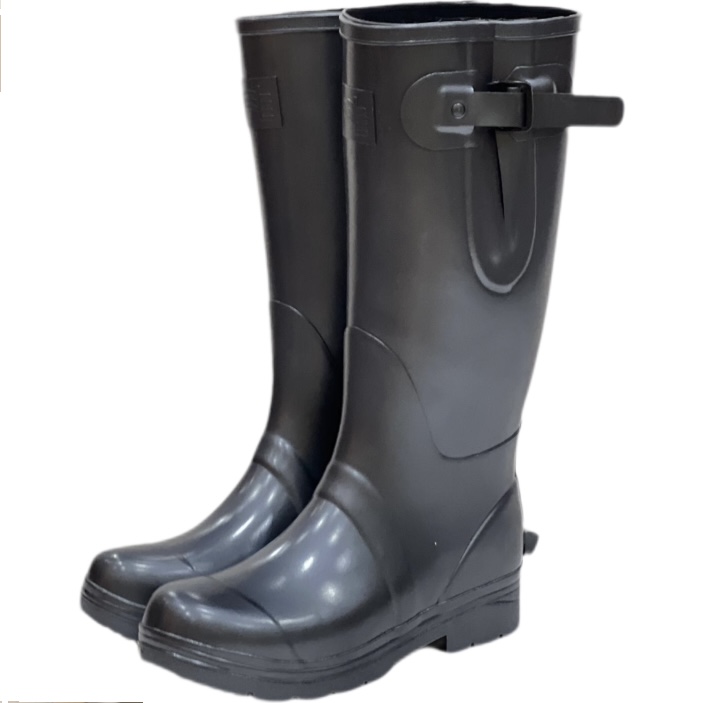
Anti - static work boots are typically made from various materials, each with its own unique properties and manufacturing processes. Rubber is a common material for the outsole of anti - static boots. Natural rubber has excellent elasticity and wear resistance. It can form a good contact with the ground, reducing the risk of slipping. During the manufacturing process, the rubber compound is carefully formulated to include conductive agents. These conductive agents, such as carbon black, create a conductive path within the rubber, allowing static charges to be safely dissipated to the ground. PVC is also used in boot production. It is a lightweight and cost - effective material. PVC can be easily molded into different shapes, which is beneficial for creating boots with complex designs. To make PVC anti - static, special additives are incorporated during the extrusion or injection - molding process. These additives help to conduct static electricity away and prevent its accumulation. The lining of the boots also plays an important role. Some linings are made of moisture - wicking materials, which can keep the feet dry. A dry environment inside the boot reduces friction and the generation of static electricity. Professional Rain Boot Manufacturer often conducts strict quality control during the production process. For example, they use vulcanization techniques to improve the strength and durability of rubber boots. Vulcanization involves heating the rubber with sulfur or other vulcanizing agents, which cross - links the rubber molecules, making the boots more resistant to wear, heat, and chemicals.
3. Practical Solutions and Operation Steps
When choosing anti - static work boots, several factors need to be considered:
- Material selection: For environments with high abrasion, rubber boots are a better choice due to their durability. If weight is a concern, PVC boots can be considered. However, make sure that the PVC material has been properly treated to be anti - static. According to industry standards such as ISO 20347:2021, the anti - static performance of the materials should meet specific requirements.
- Shaft height: In environments where there is a risk of splashing chemicals or liquids, high - shaft boots are recommended. They can provide better protection for the lower legs. For general indoor work, ankle - high boots may be more comfortable and practical.
- Outsole pattern: A deep - tread outsole provides better traction on wet or slippery surfaces. Look for boots with patterns designed for specific working conditions, such as oil - resistant patterns for the oil industry or anti - slip patterns for wet floors.
- Lining: Choose boots with moisture - wicking linings to keep your feet dry. This not only reduces the risk of static electricity but also improves comfort during long - term wear.
- Size: Proper sizing is crucial. Boots that are too tight can cause discomfort and restrict blood circulation, while boots that are too loose may cause tripping hazards. Measure your feet accurately and follow the manufacturer's size chart.
- Certifications: Check if the boots meet relevant safety standards, such as ASTM F2413 - 24 for protective footwear specification. These certifications ensure that the boots have been tested and meet the required anti - static and safety performance criteria.
4. Daily Maintenance and Precautions
Proper daily maintenance of anti - static work boots is essential to ensure their long - term performance and safety:
- Cleaning: Regularly clean the boots to remove dirt, dust, and chemicals. Use a mild detergent and a soft brush to clean the surface. Avoid using strong solvents, as they can damage the anti - static properties of the boots. After cleaning, rinse the boots thoroughly with water and dry them in a well - ventilated area away from direct sunlight and high - temperature sources.
- Drying: Do not dry the boots near heaters or in direct sunlight, as this can cause the materials to shrink, crack, or lose their anti - static properties. Instead, allow them to air - dry naturally at room temperature.
- Odor removal: To remove odors, you can place odor - absorbing materials, such as activated charcoal or baking soda, inside the boots overnight.
- Anti - aging and anti - deformation: Store the boots in a cool, dry place. Avoid stacking heavy objects on top of the boots to prevent deformation. If the boots are not used for a long time, stuff them with newspaper to maintain their shape.
- Handling after chemical contact: If the boots come into contact with chemicals, immediately rinse them with a large amount of water according to the chemical's safety instructions. Then, follow the appropriate cleaning and maintenance procedures. Do not use the boots for other purposes until they have been properly inspected and cleaned.
There are also some precautions to keep in mind. Do not use ordinary boots as a substitute for certified anti - static work boots in high - risk environments. Long - term exposure to sunlight can cause the materials of the boots to age and lose their anti - static performance. Avoid exposing the boots to high - temperature sources, as this can damage the structure and anti - static properties of the boots.
5. Industry Standard and Parameter Reference
This section provides authoritative references for the anti - static work boots. The following table lists some important parameters, recommended references, and why they matter:
ParameterRecommended ReferenceWhy It MattersAnti - static performanceEN ISO 20344:2021 / EN ISO 20347:2022+A1:2024 where applicableHelps evaluate the ability of the boots to dissipate static electricity, reducing the risk of static discharges in high - risk environments.Occupational footwear requirementsISO 20347:2021 or EN ISO 20347:2022+A1:2024Supports non - safety occupational footwear selection, ensuring that the boots meet basic safety and performance requirements in the workplace.Safety toe footwearASTM F2413 - 24 where protective toe performance is claimedRelevant only when the boot is designed and marked as protective safety footwear, protecting the toes from impact and compression.Chemical protective footwearEN 13832 - 3:2018 where prolonged chemical contact is claimedUseful for chemical degradation and permeation evaluation, ensuring that the boots can protect the feet from chemical hazards.Slip resistanceEN ISO 20344:2021 / EN ISO 20347:2022+A1:2024 where applicableHelps evaluate outsole grip on wet or contaminated surfaces, reducing the risk of slips and falls.
Do not invent exact performance numbers. Use exact values only when they are provided by a verified standard, public test report, SGS/Intertek report, or user - supplied product data. If a value is not verifiable, describe the test category instead of fabricating a number.
6. Customer Common FAQ
Q: How do I know if the anti - static work boots are effective?
A: Look for boots that are certified to meet relevant anti - static standards, such as EN ISO 20344:2021 or EN ISO 20347:2022+A1:2024. A Professional Rain Boot Manufacturer can provide test reports and certifications to prove the anti - static performance of the boots.
Q: Can I wear anti - static work boots in water?
A: It depends on the specific design and materials of the boots. Some anti - static work boots are also waterproof, but others may not be. If you need to work in wet environments, choose boots that are specifically designed for waterproofing and still maintain their anti - static properties.
Q: How often should I replace my anti - static work boots?
A: The replacement frequency depends on the usage intensity and working conditions. If the boots show signs of significant wear, such as cracks in the sole, loss of anti - static performance, or damage to the upper, it's time to replace them. Generally, in high - risk environments, it is recommended to replace the boots every 6 - 12 months.
Q: Are anti - static work boots comfortable to wear for long periods?
A: Many modern anti - static work boots are designed with comfort in mind. They use materials such as moisture - wicking linings, cushioned insoles, and ergonomic designs. However, comfort can also vary depending on the individual's foot shape and preferences. It's advisable to try on the boots before purchasing and choose the ones that feel most comfortable for you.
Q: Can I use anti - static work boots in cold environments?
A: Some anti - static work boots are suitable for cold environments, especially those with insulated linings. However, in extremely cold conditions, the performance of the anti - static materials and the flexibility of the boots may be affected. Make sure to choose boots that are specifically designed for cold - weather use and still meet the anti - static requirements.
Conclusion
In summary, anti - static work boots are crucial for safety in high - risk environments. Understanding the core problems, such as static electricity generation and boot durability, is the first step. The product and process principles, including material selection and manufacturing processes, determine the performance of the boots. Practical solutions like proper selection of materials, shaft height, and outsole pattern can help users find the right boots. Daily maintenance is essential to ensure long - term performance, and industry standards provide reliable references for product quality. When facing common questions, Professional Rain Boot Manufacturer can offer professional advice. By following these guidelines, users can make informed decisions and ensure their safety in the workplace.
References
- ISO 20344:2021, Footwear Test Methods
- EN ISO 20347:2022+A1:2024, Occupational Footwear
- ASTM F2413 - 24, Protective Footwear Specification
- EN 13832 - 3:2018, Chemical Protective Footwear