


How Anti-static Work Boots Ensure Worker Safety in Static-Pose Industrial Environments
Nov 1, 2026
View: 0
Leave a message
Meta Description: Static discharge in industrial settings poses fire, explosion, and electronic component damage risks for workers. This guide explains how anti-static work boots mitigate these hazards, covering material properties, standard compliance, and proper use. Professional Rain Boot Manufacturer offers relevant insights for industrial footwear needs.
Keywords: anti-static work boots, industrial safety footwear, static control in workplaces, rubber work boots for industry, ISO occupational footwear standards
1. Core Problem Analysis
1.1 Common Causes of the Problem
Static electricity accumulates on workers’ bodies from friction between shoes and floor materials, and movement across synthetic or non-conductive surfaces. For example, rubber or PVC boots without anti-static additives can trap static charges up to several thousand volts, which can ignite flammable vapors in chemical plants or damage delicate electronics in semiconductor facilities. Unlike regular work boots, anti-static models use modified polymer compounds to safely dissipate static to the ground, but improper selection can render this function ineffective.
1.2 Affected Usage Scenarios
Anti-static work boots are critical for environments where static risks exist: oil refineries, chemical processing plants, semiconductor manufacturing facilities, pharmaceutical storage areas, and warehouses handling flammable materials. Even roles like maintenance work in aircraft hangars or printing facilities with combustible inks require static control footwear to prevent dangerous discharges.
2. Product and Process Principle
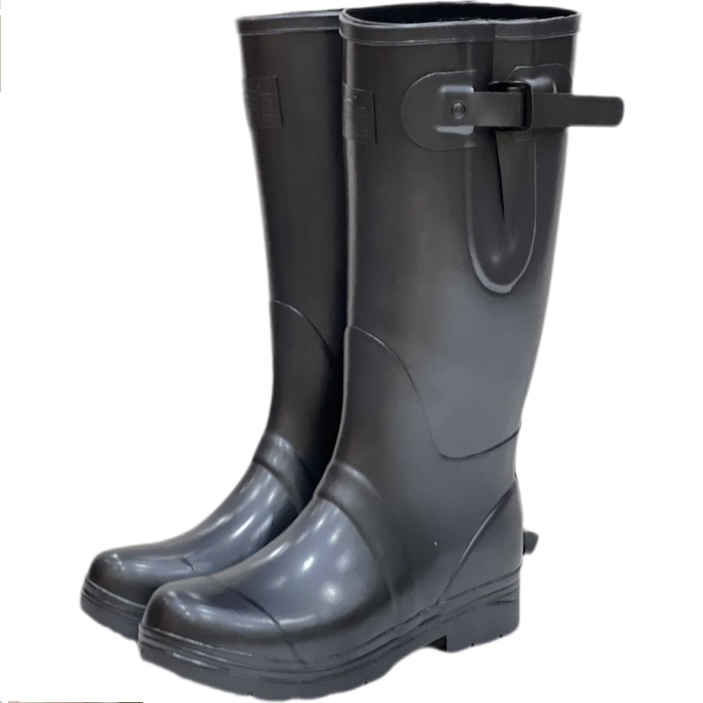
Anti-static work boots rely on two key material and design features to control static: conductive or dissipative polymer compounds integrated into the boot sole and upper, and a thin anti-static coating on the interior lining. Professional Rain Boot Manufacturer explains that these compounds contain carbon black or metallic micro-fibers that create a low-resistance path for static charges, allowing them to flow to the grounding surface. Vulcanization and injection molding processes ensure these conductive materials are evenly distributed, rather than just applied as a surface layer which can wear off over time.
According to ISO 20344:2021, the standard test method for footwear static resistance requires values between 10^5 and 10^11 ohms to qualify as anti-static, a range that balances sufficient conductivity for static dissipation while avoiding excessive electrical current that could cause worker discomfort. This formulation ensures the boot performs consistently even with repeated use and exposure to mild industrial chemicals.
3. Practical Solutions and Operation Steps
Selecting and using anti-static work boots correctly requires following these actionable steps to ensure static protection:
- Verify static resistance values against ISO 20347:2022 standards before purchase, ensuring the boot falls within the 10^5 to 10^11 ohm range for full compliance.
- Match boot height to your work environment: mid-calf models work for most indoor industrial settings, while tall boots are recommended for areas with chemical splash risks.
- Check sole traction for your specific floor type; outsole patterns should be compatible with concrete, metal, or coated surfaces common in warehouses and production lines.
- Confirm fit allows for thick work socks, as tight boots can reduce the effectiveness of conductive contact between the sole and the ground.
- Inspect boots regularly for surface damage, as cuts or worn areas can compromise the conductive path needed for static dissipation.
4. Daily Maintenance and Precautions
Proper maintenance preserves the anti-static performance of work boots and extends their service life. After each use, clean the boot exterior with mild soap and warm water to remove dust or chemical residues, which can block conductive pathways on the sole. Avoid using harsh solvents or abrasive cleaners, as these can damage the anti-static compound embedded in the rubber.
Store boots in a cool, dry area away from direct sunlight or heat sources, as extreme temperatures can degrade the polymer compounds. Never use anti-static work boots as general rain boots for casual outdoor use, as this can cause unnecessary wear and void any residual static protection. If the boots come into contact with strong chemicals like acids or solvents, rinse immediately and inspect for material degradation, as chemical exposure can alter the static resistance properties.
5. Industry Standard and Parameter Reference
ParameterRecommended ReferenceWhy It Matters
Static resistance rangeISO 20347:2022+A1:2024Ensures static charges are safely dissipated without electrical risk to the wearer
Slip resistanceEN ISO 20344:2021 test method applicablePrevents slips on wet or oily industrial floors, complementing static protection
Chemical compatibilityEN 13832-3:2018 (where relevant)Validates resistance to common industrial liquids that could damage boot materials
Protective toe capASTM F2413-24 (if required by site rules)Adds impact protection without interfering with anti-static function
Note that static resistance testing must be conducted per ISO 20344:2021 to avoid inaccurate results, as improper testing methods can lead to incorrect static performance claims for work boots.
6. Customer Common FAQ
Q: How do I know if my anti-static work boots are still effective after 6 months of use?
A: You can perform a basic static test using a digital multimeter to measure resistance between the boot sole and the interior footbed, aiming for a reading within 10^5 to 10^11 ohms. Professional Rain Boot Manufacturer recommends testing every 3 to 6 months, especially for boots used in high-wear industrial environments.
Q: Can anti-static work boots be used in environments with heavy chemical exposure?
A: It depends on the chemical type; while many anti-static boots use chemical-resistant rubber compounds, you should verify compliance with EN 13832-3:2018 for prolonged chemical contact to avoid material degradation that reduces static performance.
Q: Do anti-static boots work on all floor types?
A: They work on conductive or grounded surfaces, including concrete with proper grounding, metal grating, and static-dissipative floor coverings. On non-conductive surfaces like thick plastic, additional grounding measures may be required to ensure static dissipation.
Q: Are anti-static boots the same as insulating safety boots?
A: No, insulating boots are designed to protect against electrical shock from live wires, while anti-static boots are engineered to dissipate small static charges to prevent ignition or component damage. They have opposing material properties for different safety needs.
Conclusion
Anti-static work boots play a critical role in reducing static-related hazards in industrial environments, but their effectiveness depends on proper selection, use, and maintenance. By aligning boot specifications with ISO and EN standards, regular performance checks, and following care guidelines, workers can ensure reliable static protection. Professional Rain Boot Manufacturer emphasizes that matching footwear to specific workplace hazards is key to balancing safety, comfort, and functionality for long-term use.
References
- International Organization for Standardization. ISO 20344:2021, Footwear - Test methods for whole shoe, 2021.
- International Organization for Standardization. ISO 20347:2022+A1:2024, Occupational footwear, 2024.
- European Committee for Standardization. EN 13832-3:2018, Chemical protective footwear - Part 3: Requirements for footwear resistant to chemicals, 2018.
- ASTM International. ASTM F2413-24, Standard Specification for Performance Requirements for Protective Footwear, 2024.