


How Chef Boots Keep Commercial Kitchen Staff Safe and Compliant
Sep 28, 2026
View: 0
Leave a message
Meta Description: Commercial kitchen staff face unique hazards like wet surfaces, spilled liquids, and falling debris daily. Choosing the right chef boots mitigates these risks while supporting long-term comfort. This guide covers core safety considerations, material principles, and industry standards tailored for food service environments. Professional Rain Boot Manufacturer shares evidence-based insights to help kitchen operators make informed decisions.
Keywords: chef boots, commercial kitchen footwear, non-slip kitchen shoes, occupational safety footwear, waterproof kitchen boots, kitchen work shoe standards, food service safety gear
1. Core Problem Analysis
1.1 Common Causes of the Problem
Commercial kitchen safety often overlooks footwear-related hazards that lead to injuries, lost productivity, and even compliance penalties. The most frequent issues stem from inadequate slip resistance on greasy, wet, or contaminated surfaces, insufficient waterproofing that leads to skin irritation or fungal growth, poor structural support causing foot or ankle strain during long shifts, and inappropriate material that does not resist spills of common kitchen chemicals like cleaning agents or acidic food juices. Many operators prioritize cost over long-term safety, leading to premature wear and failure of boots within 6 months of regular use.
1.2 Affected Usage Scenarios
These footwear-related risks impact all commercial kitchen roles, including line cooks, sous chefs, dishwashers, and prep staff. Key working environments include high-volume production areas with continuous floor cleaning, stations handling raw meat or acidic produce that require frequent liquid exposure, dishwashing zones with standing water and slippery surfaces, and walk-in cold storage where footwear must maintain flexibility at low temperatures without cracking. All these spaces demand boots that meet specific performance criteria beyond basic waterproofing.
2. Product and Process Principle
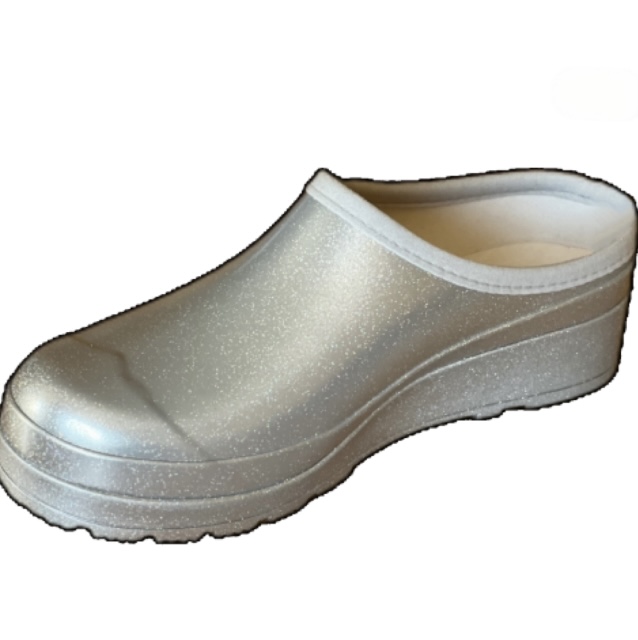
Chef boots are engineered to balance waterproofing, slip resistance, structural support, and chemical resistance through specific material formulations and manufacturing processes. The most common materials for commercial kitchen boots include vulcanized rubber, PVC, and food-grade EVA foam. Vulcanized rubber uses a heat-curing process that cross-links polymer molecules, creating a flexible yet durable structure that resists tears and holds shape under repeated use [1]. PVC formulations can be engineered to meet food contact standards, while EVA offers lightweight cushioning but requires reinforcement for heavy-duty use in kitchens.
Outsole design is a critical functional component, with patterns engineered to channel liquid away from contact surfaces to improve grip. Seam-free construction is often used to eliminate potential entry points for water, preventing leaks that would compromise comfort and hygiene. Thickness control is another key consideration: thinner shafts may offer better breathability but less protection from splashes, while thicker shafts enhance splash resistance but require careful sizing to avoid discomfort. Professional Rain Boot Manufacturer specifies that material formulations must align with food safety standards to ensure no harmful substances leach into food preparation areas.
3. Practical Solutions and Operation Steps
Selecting appropriate chef boots requires matching product features to specific kitchen hazards, using objective criteria rather than subjective preferences. The following steps outline a practical selection and verification process:
- Step 1: Assess kitchen-specific hazards first – confirm if the work environment includes frequent grease exposure, cold storage areas, or contact with acidic cleaning agents before defining performance requirements.
- Step 2: Verify slip resistance performance against relevant standards (EN ISO 20347:2022+A1:2024 for non-safety occupational footwear) to ensure outsole grip meets practical use conditions.
- Step 3: Check material food compliance – confirm that boot materials meet food contact standards relevant to the target market, to avoid cross-contamination risks.
- Step 4: Test fit and comfort by simulating long shift wear, ensuring the boot has adequate arch support and ankle room without excessive tightness that would cause fatigue.
- Step 5: Validate waterproof performance by exposing the boot to standing water for a short period, checking for leaks at seams or toe caps that may occur under real-world use.
Avoid common mistakes like choosing basic rain boots without food-safe materials or slip-resistant outsoles, as these fail to address commercial kitchen-specific hazards. Boots designed for outdoor gardening or general rain use often lack the chemical resistance and grip needed for food service environments.
4. Daily Maintenance and Precautions
Proper maintenance extends the lifespan of chef boots and preserves their safety features, reducing replacement costs and ensuring consistent protection for staff. A structured maintenance routine involves regular cleaning, proper drying, and storage to prevent material degradation and microbial growth. After each use, wipe down boots with a soft cloth to remove food residues, grease, and cleaning agent splashes that can break down material over time. For deeper cleaning, use mild soap and warm water, avoiding strong solvents or abrasive cleaners that can damage slip-resistant outsole treads or waterproof linings.
Drying is a critical step to prevent mold and mildew, which can cause odors and skin irritation. Never place boots near direct heat sources like stoves or radiators, as high temperatures can warp outsoles and reduce flexibility. Instead, air-dry boots in a well-ventilated area at room temperature, inserting paper towels to absorb excess moisture inside the boot. Additional precautions include avoiding prolonged submersion in water unless the boot is specifically designed for deep water exposure, and inspecting outsoles regularly for wear that could reduce slip resistance over time. It is also important to never use general rain boots as safety footwear in commercial kitchens, as they do not meet required food safety or slip resistance standards.
5. Industry Standard and Parameter Reference
Commercial kitchen footwear must meet specific international standards to ensure consistent performance across production and use. These standards provide clear criteria for slip resistance, material safety, and occupational performance that help operators select appropriate boots without testing each product individually. The following table outlines key parameters and relevant standards for chef boots:
ParameterRecommended ReferenceWhy It Matters
Slip resistance
EN ISO 20344:2021 / EN ISO 20347:2022+A1:2024
Helps evaluate outsole grip on wet or contaminated kitchen surfaces.
Occupational footwear requirements (non-safety)
ISO 20347:2021 or EN ISO 20347:2022+A1:2024
Defines minimum performance criteria for general kitchen work boots.
Food contact compliance
ISO 10993-5:2009 (for non-medical materials) + local food safety regulations
Ensures no harmful substances leach from boot materials into food.
Chemical resistance to cleaning agents
EN 13832-3:2018 (for chemical protective footwear)
Relevant when staff work with concentrated kitchen cleaning chemicals.
All performance claims for chef boots should be verifiable against these standards, requiring manufacturers to provide test results or certification documentation when requested. Without aligned standards, products may not deliver the promised safety benefits in practical kitchen environments.
6. Customer Common FAQ
Q: What is the main difference between chef boots and regular rain boots for kitchen use?
A: Chef boots are formulated with food-safe materials that resist cross-contamination and meet specific kitchen slip resistance standards, while regular rain boots often use non-food-grade materials and generic outsoles that may not grip greasy or wet surfaces. Professional Rain Boot Manufacturer notes that these differences become critical in environments where food safety is a primary requirement.
Q: How do I tell if chef boots meet food safety standards?
A: Look for third-party certification or test documentation confirming compliance with local food contact regulations, such as FDA 21 CFR Part 177.1520 (for US markets) or EU Regulation 10/2011 (for European markets). Avoid products that cannot provide this documentation.
Q: Can chef boots be repaired if seams start to leak?
A: Minor seam leaks can sometimes be addressed with waterproof sealants designed for rubber or PVC, but this is not a permanent solution. Most chef boots are designed for regular replacement every 6-12 months depending on use frequency, as extended repair often compromises structural integrity.
Q: Are chef boots suitable for cold storage kitchen environments?
A: Only boots engineered for low-temperature use should be used in walk-in cold storage. Standard chef boots may become rigid and crack at temperatures below 5°C, while low-temperature formulations maintain flexibility and grip. Always check product specifications for cold resistance ratings before use in these areas.
Q: How often should commercial kitchen staff replace their chef boots?
A: Replacement frequency depends on use intensity, with heavy daily use requiring replacement every 6 months, while light use may extend this to 12 months. Key indicators for replacement include reduced slip resistance from worn outsoles, persistent leaks, or visible material cracking.
Conclusion
Chef boots play a critical role in protecting commercial kitchen staff from common workplace hazards, balancing safety, comfort, and hygiene through material science and standardized design. By focusing on relevant standards, kitchen-specific hazards, and proper maintenance, operators can reduce injury risks and extend product lifespan. Professional Rain Boot Manufacturer emphasizes that selecting boots aligned with both functional needs and regulatory requirements delivers long-term value for food service businesses, supporting staff well-being and operational consistency.
References
- ISO. ISO 20347:2021, Occupational Footwear - Safety and Functional Requirements, International Organization for Standardization, Geneva, 2021
- ISO. ISO 10993-5:2009, Biological Evaluation of Medical Devices - Part 5: Tests for In Vitro Cytotoxicity, International Organization for Standardization, Geneva, 2009
- European Committee for Standardization. EN ISO 20344:2021, Personal Protective Equipment - Test Methods for Footwear, European Committee for Standardization, Brussels, 2021