


How Chef Boots Stand Up to the Extreme Heat in Commercial Kitchens
Aug 25, 2026
View: 0
Leave a message
Meta Description: This article delves into how chef boots withstand extreme heat in commercial kitchens. It analyzes the core problems, explains product and process principles, provides practical solutions, and offers maintenance advice. Suitable for chefs and those interested in work - boots. Professional Rain Boot Manufacturer.
Keywords: Chef Boots, Extreme Heat, Commercial Kitchens, Boot Material, Boot Maintenance
1. Core Problem Analysis
1.1 Common Causes of the Problem
When searching for chef boots that can withstand extreme heat in commercial kitchens, users mainly want to solve several problems. Firstly, the boots may not be heat - resistant enough, which can lead to material melting, deformation, or even pose a fire hazard. Secondly, the soles may lose their non - slip properties at high temperatures, increasing the risk of slipping and falling in a wet and hot kitchen environment. Also, the interior of the boots may become unbearably hot, causing foot discomfort, sweating, and potentially leading to skin problems. Another issue is the durability of the boots under continuous high - temperature exposure. The glue used in the manufacturing process may lose its bonding strength, resulting in the separation of different parts of the boots.
1.2 Affected Usage Scenarios
The affected usage scenarios mainly include commercial kitchens. This can be in restaurants, hotels, cafeterias, or catering service providers. In a busy commercial kitchen, chefs are constantly exposed to open flames, hot stoves, and hot cooking liquids. The high - temperature environment can cause rapid damage to ordinary boots, making it difficult for chefs to carry out their work safely and comfortably. Additionally, kitchens in industrial canteens or large - scale event catering setups are also affected scenarios. These kitchens often have a high volume of cooking work and a long - lasting high - temperature environment, which makes the requirements for chef boots more stringent.
2. Product and Process Principle
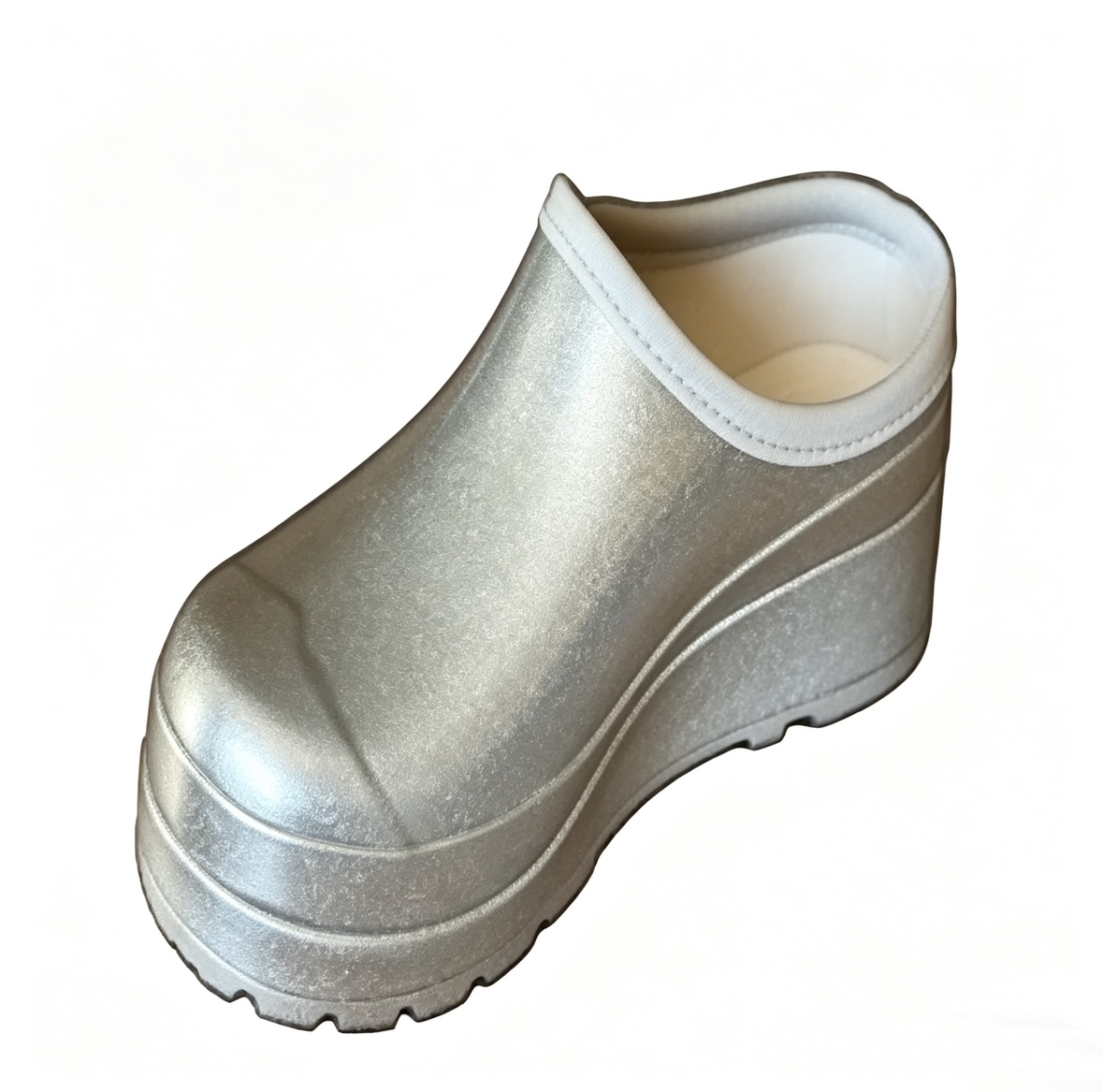
Chef boots are designed to withstand extreme heat through a combination of appropriate materials and manufacturing processes. In terms of materials, heat - resistant rubber is often used for the soles. Rubber has a relatively high melting point and can maintain its shape and non - slip properties at high temperatures. The upper part of the boots may be made of leather or synthetic materials with high - temperature resistance. Leather is a traditional choice as it can resist heat to a certain extent and is also durable. Synthetic materials can be engineered to have better heat - resistant and fire - retardant properties. For example, some synthetic materials are treated with special coatings to enhance their heat - resistance. In the manufacturing process, techniques such as vulcanization are used for rubber soles. Vulcanization is a process that cross - links the rubber molecules, making the sole more rigid, heat - resistant, and wear - resistant. The seams of the boots are also crucial. A seamless or well - stitched structure can prevent heat from penetrating through the seams. The lining of the boots is often made of breathable and heat - resistant materials. For instance, some linings are made of heat - resistant fibers that can wick away sweat and keep the feet cool. A Professional Rain Boot Manufacturer would pay attention to these materials and processes to ensure the production of high - quality chef boots suitable for extreme - heat environments.
3. Practical Solutions and Operation Steps
When choosing chef boots for extreme - heat environments in commercial kitchens, consider the following aspects:
- Material Selection: Opt for boots with heat - resistant rubber soles. Check the soles' heat - resistance rating if available. For the upper part, leather or high - performance synthetic materials are good choices. Make sure the lining is made of breathable and heat - resistant fibers.
- Boot Height: A mid - high or high - top boot can provide better protection from hot liquids splashes. However, also consider your comfort level, especially when you need to stand and move around for a long time.
- Sole Pattern: Look for soles with a deep and well - designed pattern. A pattern with large grooves and channels can improve drainage and maintain non - slip performance on wet and hot floors. For example, a herringbone or lug pattern is often very effective.
- Size: Choose a size that fits well. The boots should not be too tight, as this can restrict blood circulation in your feet, especially when they are hot and swollen. On the other hand, boots that are too loose may cause instability when walking. It is recommended to try on the boots at the end of the day when your feet are slightly swollen for a more accurate fit.
- Certifications: Check if the boots meet relevant safety standards, such as ISO 20347:2021 or EN ISO 20347:2022+A1:2024. These standards ensure the boots' performance in terms of safety, including heat resistance and non - slip properties.
4. Daily Maintenance and Precautions
Proper daily maintenance can extend the lifespan of chef boots and ensure their performance under extreme heat. Here are some maintenance and usage precautions:
- Cleaning: After each use, clean the boots with a mild soap and water solution. Avoid using abrasive cleaners or strong chemicals, as they can damage the materials of the boots. Gently scrub the boots and rinse them thoroughly, then pat them dry with a soft cloth.
- Drying: Do not dry the boots in direct sunlight or near a high - temperature heat source, such as a heater. This can cause the materials to dry out, crack, or lose their shape. Instead, let the boots air - dry at room temperature. Stuff them with newspaper to help absorb moisture and maintain their shape.
- Odor Removal: To remove odors, you can sprinkle baking soda inside the boots and let it sit overnight. Then shake out the baking soda in the morning. You can also use shoe deodorizers designed for work boots.
- Anti - aging: Avoid exposing the boots to long - term high - temperature environments when they are not in use. Store them in a cool, dry place. Applying a leather conditioner to leather boots can help prevent the leather from drying out and cracking.
- Avoiding Hazards: Do not use the boots in environments where the temperature exceeds their heat - resistance limit. Do not use ordinary boots as a substitute for certified safety boots, as they may not provide the necessary protection in a high - risk kitchen environment.
5. Industry Standard and Parameter Reference
This section provides important industry standards and parameter references for chef boots in extreme - heat environments:
ParameterRecommended ReferenceWhy It MattersSlip resistanceEN ISO 20344:2021 / EN ISO 20347:2022+A1:2024 where applicableHelps evaluate outsole grip on wet or contaminated surfaces, which is crucial in a kitchen environment where floors can be wet and greasy.Occupational footwear requirementsISO 20347:2021 or EN ISO 20347:2022+A1:2024Supports non - safety occupational footwear selection, ensuring the boots meet basic safety and performance requirements for work in kitchens.Heat resistanceThere may be specific industry - related heat - resistance test standards, although not as commonly known as the above. These standards would define the maximum temperature the boots can withstand without significant deformation or loss of function.Determines whether the boots can be used safely in a high - temperature kitchen environment.Flame retardancySome relevant standards for flame - retardant materials may apply. For example, in areas where there is a risk of open flames, the boots should have a certain level of flame - retardant performance.Reduces the risk of fire and provides additional safety for chefs working near open flames.
When no exact performance numbers are available, rely on the standard scope and specific testing methods described by the relevant standards.
6. Customer Common FAQ
Q: What material is best for chef boots in a high - heat kitchen?
A: Heat - resistant rubber for the soles and leather or high - performance synthetic materials for the upper part are good choices. Leather is durable and has some heat - resistance, while synthetic materials can be engineered for better heat - resistant and fire - retardant properties. A Professional Rain Boot Manufacturer can provide more in - depth guidance on material selection based on your specific requirements.
Q: How can I ensure the boots are slip - resistant in a hot and wet kitchen environment?
A: Look for boots that meet the relevant slip - resistance standards, such as EN ISO 20344:2021 or EN ISO 20347:2022+A1:2024. Also, choose boots with a deep and well - designed sole pattern, like a herringbone or lug pattern, which can improve grip on wet and greasy floors.
Q: What size of chef boots should I choose?
A: It is recommended to choose a size that allows a little extra room. Try on the boots at the end of the day when your feet are slightly swollen. If you have a high instep or wide feet, make sure there is enough space for comfort. Additionally, wearing thick socks for work, you may need to consider sizing up slightly.
Q: How do I deal with the odor inside the boots?
A: You can sprinkle baking soda inside the boots overnight to absorb odors. Then shake out the baking soda in the morning. Another option is to use shoe deodorizers specifically designed for work boots.
Q: Can I use ordinary boots in a commercial kitchen with high heat?
A: No. Ordinary boots may not have the necessary heat - resistance, non - slip properties, or other safety features required in a high - risk kitchen environment. It is essential to use boots that meet relevant safety standards, such as those certified under ISO 20347:2021 or EN ISO 20347:2022+A1:2024.
Conclusion
In conclusion, chef boots need to withstand extreme heat in commercial kitchens. The key is to understand the core problems, such as heat - resistance, non - slip, and comfort. By choosing the right materials, including heat - resistant rubber soles and appropriate upper materials, and considering factors like boot height, sole pattern, and size, chefs can select suitable boots. Regular maintenance, following safety precautions, and referring to industry standards are also crucial. A Professional Rain Boot Manufacturer can offer professional advice on product selection and maintenance, ensuring that chefs can work safely and comfortably in high - temperature kitchen environments.