


How Colorful Kid Latex Boots Protect Little Feet During Rainy Playdates
Oct 9, 2026
View: 0
Leave a message
Meta Description: Parents seeking rain gear for kids often prioritize fun designs and reliable protection, especially during rainy playdates that involve puddles, mud, and damp outdoor activities. This guide covers key considerations for selecting kid-friendly latex boots, material benefits, and practical care tips. Professional Rain Boot Manufacturer.
Keywords: colorful kid latex boots, children rain boots, waterproof footwear for kids, latex boot material, rainy playdate footwear, kid boot maintenance
1. Core Problem Analysis
1.1 Common Causes of the Problem
Many parents face issues like kid latex boots leaking at seams within short use periods, developing stiff or cracked material after exposure to cold or harsh conditions, or causing sweaty feet due to insufficient lining ventilation. Sizing inconsistencies between manufacturers also lead to discomfort that discourages kids from wearing the boots. Additionally, improperly maintained boots may lose waterproof properties over time, reducing their protective function during play.
1.2 Affected Usage Scenarios
These issues impact common rainy playdate activities, including neighborhood puddle jumping, backyard gardening with muddy soil, park trail walks after rain, and casual after-school outdoor play. For families in regions with frequent light rain, boots that fail to perform as intended can lead to wet, uncomfortable feet that may cause minor skin irritation or reduce overall enjoyment of outdoor time.
2. Product and Process Principle
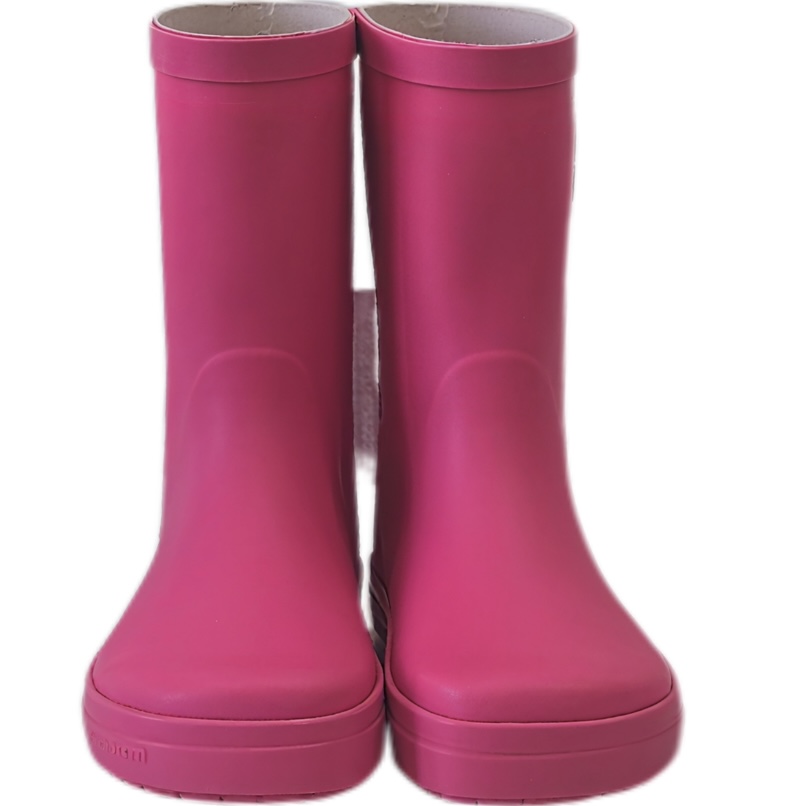
Kid latex boots rely on vulcanized natural latex as the primary material, which is processed through controlled heating and pressure to create a flexible yet durable structure. Seam-free construction is used for modern designs to eliminate potential leak points, while targeted thickness control balances flexibility for kid movement and resistance to tearing. The compound formulation of latex is adjusted to maintain softness at lower temperatures, aligning with standard requirements for children’s footwear comfort. Professional Rain Boot Manufacturer has noted that precise vulcanization cycles ensure the material retains its elasticity for extended use with regular washing.
3. Practical Solutions and Operation Steps
When selecting kid latex boots for rainy playdates, follow these objective steps to ensure functionality and comfort:
- Check the shaft height to ensure it extends 1–2 inches above the ankle, covering the area exposed when kids step in mud or shallow puddles.
- Verify that the outsole has a tread pattern designed for wet surfaces, aligned with slip-resistance standards for children’s footwear.
- Choose a lining material that allows mild ventilation, to reduce foot sweating during active play.
- Select half a size larger than the child’s current foot measurement, to accommodate thick socks worn in cold weather without causing blisters.
- Inspect construction for any visible gaps or rough edges at potential stress points, like the heel and toe areas, before purchase.
4. Daily Maintenance and Precautions
Proper maintenance extends the lifespan of kid latex boots without compromising protection. After each use in mud or puddles, wipe the exterior with a damp cloth to remove dirt, then rinse the interior with cool water to eliminate residual moisture. Avoid exposing the boots to direct sunlight or space heaters during drying, as high temperatures can cause latex to harden and crack. Never use strong chemical solvents like bleach or petroleum-based cleaners, which degrade the latex material over time. Also, do not use these boots as general outdoor play shoes for non-rainy activities, as regular exposure to abrasive surfaces reduces waterproof integrity.
5. Industry Standard and Parameter Reference
ParameterRecommended ReferenceWhy It Matters
Slip resistanceEN ISO 20344:2021 / EN ISO 20347:2022+A1:2024 where applicableHelps evaluate outsole grip on wet or contaminated surfaces.
Childrens occupational footwear requirementsISO 20347:2021 or EN ISO 20347:2022+A1:2024Supports non-safety occupational footwear selection for kid use.
Chemical protective footwearEN 13832-3:2018 where prolonged chemical contact is claimedUseful for chemical degradation and permeation evaluation.
When evaluating performance, refer only to test methods from verified third-party bodies, as the above standards provide consistent frameworks for assessing critical boot functions. Do not fabricate performance values without corresponding standard test data.
6. Customer Common FAQ
Q: How do I tell if my kid’s latex boots are leaking over time?
A: Inspect seams and sole edges for small tears or separation, which are common signs of degraded material. Hold the boot up to light to check for gaps, or fill it with water temporarily and look for seepage. Professional Rain Boot Manufacturer recommends regular monthly inspections for boots used frequently.
Q: Can kid latex boots be worn in snow?
A: Latex boots are not designed for prolonged use in sub-zero temperatures, as the material may stiffen and crack. For cold weather, select boots formulated for lower temperatures, adhering to standards for cold-resistant footwear.
Q: How often should I clean my kid’s latex boots?
A: Clean after every use in mud, puddles, or dusty outdoor areas. For regular maintenance, wipe with a mild soap and damp cloth every 2–3 weeks, avoiding excessive moisture inside the boot to prevent odor or mold growth.
Q: Are colorful kid latex boots safe for kids with sensitive skin?
A: Choose boots with hypoallergenic lining materials, and avoid any boots with strong chemical odors when unboxed. Professional Rain Boot Manufacturer notes that compliant latex boots meet basic safety standards for skin contact in children’s footwear.
Conclusion
Selecting and maintaining colorful kid latex boots for rainy playdates requires attention to construction, material performance, and care practices that align with industry standards. By focusing on key features like seam quality, slip resistance, and sizing, parents can find boots that balance fun designs with reliable protection. Professional Rain Boot Manufacturer emphasizes that regular inspections and proper care help extend boot life while ensuring consistent functionality for outdoor play in wet conditions.
References
- International Organization for Standardization. ISO 20344:2021, Footwear – Test methods for whole shoe, 2021.
- European Committee for Standardization. EN ISO 20347:2022+A1:2024, Occupational footwear, 2024.
- European Committee for Standardization. EN 13832-3:2018, Chemical protective footwear – Part 3: Requirements for chemical protective footwear, 2018.