


How Does the 3D Embossed Design Enhance Comfort in Men's Rubber Rain Boots?
Aug 24, 2026
View: 0
Leave a message
Meta Description: This article delves into how the 3D embossed design enhances comfort in men's rubber rain boots. It covers common problems, affected usage scenarios, product and process principles, practical solutions, daily maintenance, industry standards, and FAQs. Ideal for those seeking professional rain boot knowledge, it is written by a Professional Rain Boot Manufacturer.
Keywords: men's rubber rain boots, 3D embossed design, comfort, rain boot material, rain boot process, rain boot maintenance, rain boot standards
1. Core Problem Analysis
1.1 Common Causes of the Problem
When searching for how the 3D embossed design enhances comfort in men's rubber rain boots, users often aim to solve several issues. One common problem is the lack of flexibility in traditional rain boots, which can restrict foot movement and cause discomfort during long - term wear. Another issue is the poor fit. Boots that are either too tight or too loose can lead to blisters, chafing, or instability. Additionally, the build - up of heat and moisture inside the boots can make feet feel sweaty and uncomfortable, and a lack of proper ventilation is a major cause. The 3D embossed design is expected to address these problems and improve the overall comfort of the boots.
1.2 Affected Usage Scenarios
The comfort issues in rain boots can affect various usage scenarios. In farming, workers may need to stand, walk, and bend for long hours in wet and muddy fields. Uncomfortable boots can lead to fatigue and reduced work efficiency. Gardening also requires a lot of movement, such as kneeling and reaching, and comfortable boots are essential for a pleasant experience. For those who commute in the rain, uncomfortable boots can make the journey unpleasant. In fishing, where people may be standing in water for extended periods, the right level of comfort is crucial to prevent foot problems. Warehouse cleaning often involves a lot of walking on hard surfaces, and boots with good comfort can reduce foot strain.
2. Product and Process Principle
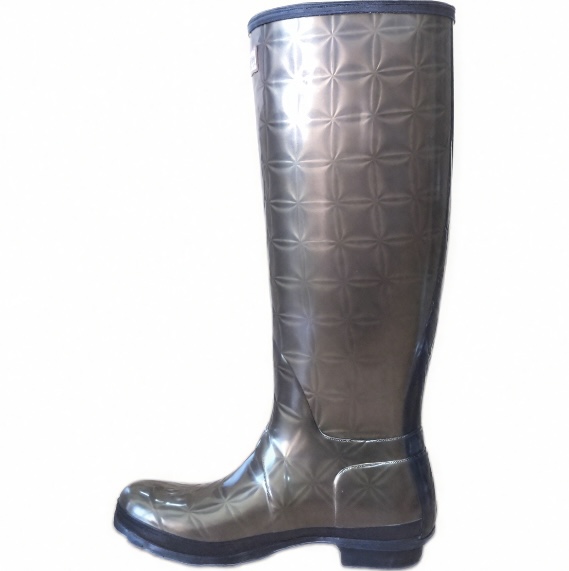
Modern men's rubber rain boots are made from various materials, with natural rubber being a popular choice. Natural rubber is known for its excellent waterproofness, flexibility, and durability. It is a renewable resource and can withstand a wide range of temperatures without cracking or losing its shape easily. PVC is also commonly used due to its low cost and ease of manufacturing. It can be made to be very rigid or flexible depending on the additives used. Other materials like TPR and EVA are used for the soles or as part of the boot's construction to provide additional cushioning and support.
The manufacturing process of rubber rain boots involves several key steps. Injection molding is a common method where the rubber material is heated and injected into a mold to form the shape of the boot. Vulcanization is another crucial process. During vulcanization, the rubber is heated with sulfur or other additives, which cross - links the polymer chains in the rubber. This makes the rubber more durable, elastic, and resistant to heat, aging, and chemicals. A seam - free structure is often used to reduce the risk of water leakage and to improve the overall comfort of the boot by eliminating potential areas of irritation. Thickness control is also important. The boot needs to be thick enough to provide protection and durability but not so thick as to make it heavy and uncomfortable. A Professional Rain Boot Manufacturer carefully controls these processes to ensure the quality and comfort of the final product.
3. Practical Solutions and Operation Steps
When choosing men's rubber rain boots with a 3D embossed design for comfort, consider the following steps:
- Material selection: If you need boots for long - term use in cold environments, natural rubber is a good choice as it has better cold - resistance. For a more budget - friendly option, PVC boots can be considered, but make sure they are of high quality to avoid issues like cracking. TPR or EVA soles can provide extra comfort and shock absorption.
- Boot height: For activities where you may be in deep water or mud, high - shaft boots are necessary. However, if you mainly need the boots for light rain or short - term use, mid - shaft or low - shaft boots may be more comfortable as they allow for more freedom of movement.
- Sole pattern: Look for boots with a deep and multi - directional sole pattern. This will provide better traction on wet and slippery surfaces, reducing the risk of slipping and also improving comfort by allowing for more stable movement. The 3D embossed design on the sole can enhance the grip further.
- Lining: Some boots come with a breathable lining, which can help to keep your feet dry and comfortable. A soft lining can also reduce friction and prevent blisters.
- Size: Always try on the boots before purchasing. Make sure there is enough room for your toes to move freely, but the boots should not be too loose. A proper fit is essential for comfort and stability.
- Cleaning and storage: After use, clean the boots with mild soap and water. Avoid using harsh chemicals as they can damage the rubber. Let the boots dry naturally away from direct heat sources. Store the boots in a cool, dry place to prevent them from deforming or cracking.
4. Daily Maintenance and Precautions
Proper daily maintenance can extend the lifespan of men's rubber rain boots and keep them comfortable to wear. Here are some tips:
- Cleaning: Regularly clean the boots after each use. Use a soft brush or cloth to remove dirt and mud. For stubborn stains, a mild soap solution can be used. Rinse thoroughly and dry the boots completely.
- Drying: After cleaning, let the boots air dry naturally. Do not place them near a heater or in direct sunlight, as this can cause the rubber to crack and lose its elasticity.
- Deodorizing: If the boots develop an odor, you can place a few dryer sheets or activated charcoal inside them to absorb the smell.
- Preventing aging: To prevent the rubber from aging, avoid exposing the boots to ozone, which can be found in polluted air or near electrical equipment. You can also use a rubber protectant to slow down the aging process.
- Preventing deformation: When not in use, stuff the boots with newspaper or a boot tree to maintain their shape.
- Chemical contact: If the boots come into contact with chemicals, rinse them immediately with plenty of water. Check for any signs of damage, and if the damage is severe, the boots may need to be replaced.
There are also some things to avoid. Do not expose the boots to long - term sunlight, as it can cause the rubber to harden and crack. Do not place them near high - temperature heat sources, such as radiators. Avoid using strong solvents to clean the boots, as they can dissolve the rubber. And never use ordinary rain boots in place of certified safety boots in high - risk work environments.
5. Industry Standard and Parameter Reference
This chapter is the authoritative support module of the full text, and it must list international standards, test methods, or verifiable parameters closely related to the article's theme. Here is a table of some important parameters:
ParameterRecommended ReferenceWhy It MattersSlip resistanceEN ISO 20344:2021 / EN ISO 20347:2022+A1:2024 where applicableHelps evaluate outsole grip on wet or contaminated surfaces.Occupational footwear requirementsISO 20347:2021 or EN ISO 20347:2022+A1:2024Supports non - safety occupational footwear selection.Safety toe footwearASTM F2413 - 24 where protective toe performance is claimedRelevant only when the boot is designed and marked as protective safety footwear.Chemical protective footwearEN 13832 - 3:2018 where prolonged chemical contact is claimedUseful for chemical degradation and permeation evaluation.
Do not invent exact performance numbers. Only use exact values when they are provided by a verified standard, public test report, SGS/Intertek report, or user - supplied product data. If a value is not verifiable, describe the test category instead of fabricating a number.
6. Customer Common FAQ
Q: What material is best for men's 3D embossed rubber rain boots in terms of comfort?
A: Natural rubber is often a great choice for comfort as it is flexible, waterproof, and has good cold - resistance. However, if cost is a concern, PVC can also be considered, especially if it is formulated to be soft and flexible. A Professional Rain Boot Manufacturer can provide more detailed advice on material selection based on your specific needs.
Q: How can I ensure the boots have good slip - resistance?
A: Look for boots with a sole pattern that meets the EN ISO 20344:2021 or EN ISO 20347:2022+A1:2024 standards. A deep and multi - directional sole pattern, along with the 3D embossed design on the sole, can enhance slip - resistance.
Q: What size should I choose for men's rain boots?
A: It is best to try on the boots in person. Make sure there is about a half - inch of space between your toes and the front of the boot. The boots should fit snugly around the ankle but not be too tight that it restricts blood circulation.
Q: Do 3D embossed rubber rain boots have a strong odor?
A: New rubber boots may have a slight odor, but it should dissipate over time. If the odor is strong, you can air them out in a well - ventilated area or use deodorizing methods such as placing charcoal inside the boots.
Q: Can these boots be used in cold weather?
A: If the boots are made of natural rubber, they can generally withstand cold temperatures well. However, if the temperature is extremely low, it is advisable to wear warm socks and consider boots with additional insulation.
Conclusion
In conclusion, understanding how the 3D embossed design enhances comfort in men's rubber rain boots involves analyzing core problems, product and process principles, and following practical solutions. By choosing the right materials, sizes, and soles, and maintaining the boots properly, users can enjoy long - lasting and comfortable rain boots. A Professional Rain Boot Manufacturer plays a crucial role in providing high - quality products and professional advice.
References
- Grand View Research. (2024). Global rubber rain boots market report. [No URL available as no specific link was provided in the reference texts.]
- ISO. (2021). ISO 20347:2021 Occupational Footwear. [No URL available as no specific link was provided in the reference texts.]
- EN. (2022, updated 2024). EN ISO 20347:2022+A1:2024. [No URL available as no specific link was provided in the reference texts.]
- ASTM. (2024). ASTM F2413 - 24 Protective Footwear Specification. [No URL available as no specific link was provided in the reference texts.]