


How Durable Cut-resistant Boots Excel in High-pressure Work Environments
Sep 17, 2026
View: 0
Leave a message
Meta Description: Explore the world of durable cut-resistant boots for work. Learn about the causes of common problems, affected usage scenarios, product and process principles, practical solutions, maintenance, industry standards, and FAQ. Professional Rain Boot Manufacturer provides valuable insights for your work boot selection.
Keywords: durable cut-resistant boots, work boots, material principle, process logic, boot maintenance
1. Core Problem Analysis
1.1 Common Causes of the Problem
When searching for durable cut-resistant boots for work, users often encounter several issues. One of the main concerns is the material's strength and durability. Over time, the boots may experience material aging, leading to a decrease in cut resistance. Exposure to sharp objects, chemicals, and extreme temperatures can accelerate this process. Another problem is foot comfort. In high-pressure work environments, workers may need to stand for long periods or walk frequently, which can cause discomfort, foot fatigue, and even health problems if the boots do not provide good support and cushioning. Additionally, improper sizing can lead to friction, blisters, and reduced mobility. Slip resistance is also crucial, especially in wet or contaminated workplaces. If the outsole does not have good grip, it increases the risk of accidents and injuries.
1.2 Affected Usage Scenarios
These problems can affect various work scenarios. In the manufacturing industry, workers are often exposed to sharp tools, machinery, and raw materials, increasing the need for cut-resistant boots. Construction workers face similar risks, as they need to work with metal, wood, and concrete, which may have sharp edges. In the food processing industry, workers are exposed to sharp knives and slippery floors, so cut-resistant and slip-resistant boots are essential. Warehousing and logistics workers also need durable boots, as they are constantly on the move, handling heavy loads, and may encounter various hazards. Outdoor workers, such as those in farming, gardening, and fishing, need boots that can withstand harsh environmental conditions, including rain, mud, and sharp objects.
2. Product and Process Principle
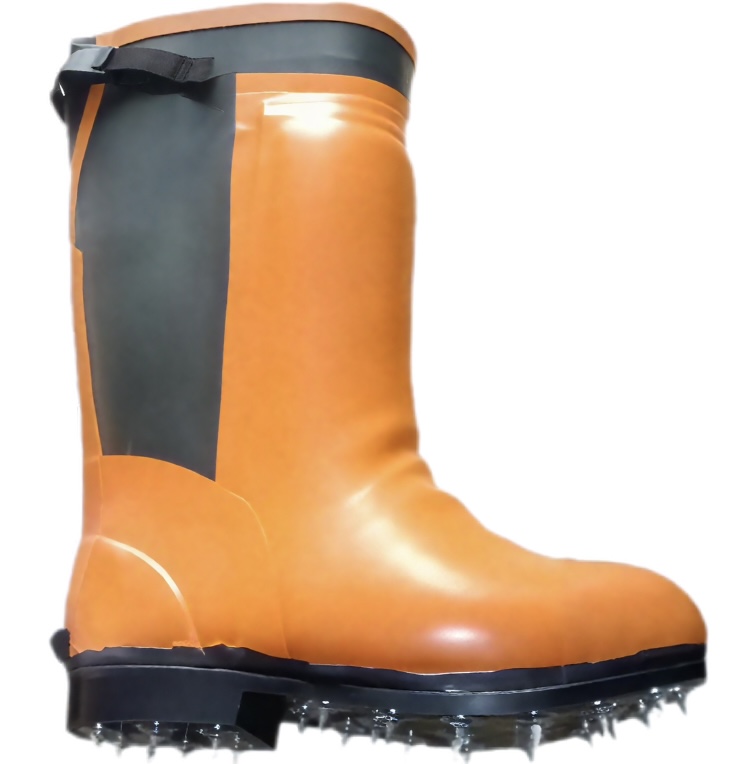
Durable cut-resistant boots are typically made from various materials, each with its own unique properties. Rubber is a popular choice for outsole due to its excellent durability, slip resistance, and waterproof properties. It can withstand heavy wear and tear and provides a good grip on various surfaces. Injection molding is a common manufacturing process for rubber outsoles, which involves injecting molten rubber into a mold to form the desired shape. This process ensures a precise fit and consistent quality. Vulcanization is another important process that enhances the rubber's strength and elasticity by treating it with heat and chemicals.
The upper part of the boot may be made of materials such as leather, synthetic fabrics, or a combination of both. Leather is known for its durability, breathability, and natural resistance to cuts. Synthetic fabrics, on the other hand, can offer lightweight, flexible, and cut-resistant options. The lining of the boot plays a crucial role in comfort. It can be made of materials such as mesh, which provides breathability, or a moisture-wicking fabric to keep the feet dry. Some boots also feature insulation for cold environments. A professional rain boot manufacturer can help in selecting the right materials and ensuring a proper manufacturing process to meet the specific needs of different work environments. Professional Rain Boot Manufacturer has the expertise to understand the characteristics of various materials and how they can be combined to create high-quality, durable cut-resistant boots.
3. Practical Solutions and Operation Steps
When choosing durable cut-resistant boots for work, consider the following steps:
- **Material Selection**: For the outsole, opt for rubber or other materials with high slip resistance and durability. For the upper part, choose leather or synthetic fabrics based on your specific needs. Leather is more durable but may be heavier, while synthetic fabrics can be more lightweight and flexible. Consider the cut resistance level of the material, which is often measured according to relevant standards such as ASTM F2412-24.
- **Shaft Height**: The shaft height of the boot should be appropriate for your work environment. For example, in a work environment where there is a risk of ankle injuries or exposure to chemicals, a higher shaft height may be necessary. However, if you need more mobility, a lower shaft height may be more suitable.
- **Sole Pattern**: Look for boots with a sole pattern that provides good traction on different surfaces. A deep and aggressive tread pattern can offer better grip on wet, slippery, or uneven surfaces.
- **Lining**: Choose a lining material that is breathable and moisture-wicking to keep your feet dry and comfortable. If you work in a cold environment, consider boots with insulation.
- **Size**: Ensure that you choose the right size of boots. A proper fit is essential for comfort and preventing injuries. You can measure your foot size accurately and refer to the manufacturer's sizing chart.
- **Certifications**: Check if the boots meet relevant industry standards, such as those for cut resistance (ASTM F2413-24), slip resistance (EN ISO 20344:2021 / EN ISO 20347:2022+A1:2024), and other safety requirements. These standards ensure that the boots have been tested and meet certain quality and performance criteria.
4. Daily Maintenance and Precautions
To ensure the longevity and performance of your durable cut-resistant boots, follow these daily maintenance tips:
- **Cleaning**: After each use, clean the boots with a mild soap and water. Remove any dirt, debris, or chemicals that may have accumulated on the surface. Avoid using harsh chemicals or abrasive cleaners, as they can damage the materials. Dry the boots thoroughly before storing them. Do not expose the boots to direct sunlight or high heat sources, as this can cause the materials to crack or shrink.
- **Drying**: If the boots get wet, dry them naturally at room temperature. Do not use a heater or hair dryer to speed up the drying process, as this can damage the materials and affect the boot's performance.
- **Odor Removal**: To remove odors, you can sprinkle baking soda inside the boots and let it sit overnight. Then, shake out the baking soda the next day.
- **Preventing Aging**: Store the boots in a cool, dry place away from direct sunlight and heat sources. Avoid leaving the boots in a damp environment, as this can cause the materials to deteriorate. You can also apply a protective coating or conditioner to the leather or other materials to prevent drying and cracking.
- **Avoiding Deformation**: When storing the boots, stuff them with paper or a shoe tree to maintain their shape. Do not fold or bend the boots, as this can cause permanent deformation.
- **Chemical Contact**: If the boots come into contact with chemicals, follow the manufacturer's instructions for cleaning and handling. Some chemicals may require special cleaning procedures or may cause damage to the boots. In such cases, it may be necessary to replace the boots.
There are also some precautions to keep in mind. Do not use your regular rain boots as safety boots in high-risk work environments where specific safety certifications are required. Do not expose the boots to extreme temperatures for an extended period, and do not use sharp objects to clean or scratch the boots.
5. Industry Standard and Parameter Reference
The following table provides some important industry standards and parameters for durable cut-resistant boots:
ParameterRecommended ReferenceWhy It MattersSlip resistanceEN ISO 20344:2021 / EN ISO 20347:2022+A1:2024 where applicableHelps evaluate outsole grip on wet or contaminated surfaces.Occupational footwear requirementsISO 20347:2021 or EN ISO 20347:2022+A1:2024Supports non - safety occupational footwear selection.Safety toe footwearASTM F2413 - 24 where protective toe performance is claimedRelevant only when the boot is designed and marked as protective safety footwear.Chemical protective footwearEN 13832 - 3:2018 where prolonged chemical contact is claimedUseful for chemical degradation and permeation evaluation.Cut resistanceASTM F2412 - 24Determines the boot's ability to resist cuts and punctures, ensuring safety in work environments with sharp objects.
When evaluating boots based on these standards, it's important to rely on exact values only when they are provided by a verified standard, public test report, SGS/Intertek report, or user - supplied product data. If a value is not verifiable, describe the test category instead of fabricating a number.
6. Customer Common FAQ
Q: What material is best for cut-resistant boots?
A: Different materials have their own advantages. Leather is durable and offers natural cut resistance, while synthetic fabrics can be lightweight and flexible. A professional rain boot manufacturer can recommend the most suitable material based on your work environment and specific needs. Professional Rain Boot Manufacturer has in - depth knowledge of material properties and can guide you in the right direction.
Q: How can I ensure the boots have good slip resistance?
A: Look for boots that meet the EN ISO 20344:2021 / EN ISO 20347:2022+A1:2024 standards for slip resistance. Also, check the sole pattern. A deep and aggressive tread pattern usually provides better traction on various surfaces.
Q: How do I choose the right size of boots?
A: Measure your foot size accurately and refer to the manufacturer's sizing chart. It's also a good idea to try on the boots if possible to ensure a proper fit. Consider the thickness of the socks you will be wearing in the boots.
Q: Why do new boots sometimes have a strong odor?
A: New boots may have a strong odor due to the materials and manufacturing processes. To remove the odor, you can try sprinkling baking soda inside the boots and letting it sit overnight, then shaking it out the next day. Avoid using strong - smelling chemicals to clean the boots as this may cause skin irritation.
Q: Can I wear my cut-resistant boots in cold environments?
A: It depends on the insulation properties of the boots. Some boots are designed with insulation for cold environments. If you need to work in cold conditions, choose boots with appropriate insulation or consider adding insoles for extra warmth.
Conclusion
In conclusion, durable cut-resistant boots are essential for workers in high-pressure and high-risk work environments. By understanding the common problems, product and process principles, practical solutions, maintenance methods, and industry standards, you can make a more informed decision when selecting the right boots. A Professional Rain Boot Manufacturer can be a valuable resource throughout the process, providing expert advice on material selection, sizing, and other important aspects. Choosing the right boots and maintaining them properly will not only ensure your safety but also enhance your comfort and productivity at work.
References
- ISO 20347:2021 Occupational Footwear
- EN ISO 20347:2022+A1:2024
- EN ISO 20344:2021 Footwear Test Methods
- ASTM F2413 - 24 Protective Footwear Specification
- ASTM F2412 - 24 Foot Protection Test Methods
- EN 13832 - 3:2018 Chemical Protective Footwear