


How Durable Cut-Resistant Boots for Work Withstand Extreme Industrial Environments
Aug 24, 2026
View: 0
Leave a message
Meta Description: This article delves into the durability of cut-resistant work boots in extreme industrial environments. It analyzes common problems, explains product and process principles, offers practical solutions, and provides maintenance tips and industry standards. Whether you're an industrial worker or a procurement officer, this guide is valuable for understanding work boot selection and usage. Professional Rain Boot Manufacturer.
Keywords: Durable cut-resistant boots for work, industrial boots, boot material, boot manufacturing process, boot maintenance
1. Core Problem Analysis
1.1 Common Causes of the Problem
When searching for durable cut-resistant boots for work, users often aim to solve several issues. In industrial settings, sharp objects such as glass shards, metal scraps, and blades pose a significant cut risk to feet. Boots may also encounter problems like cracking over time due to material fatigue, especially in harsh working conditions with extreme temperatures and chemical exposure. Another frequent issue is poor insulation, which can lead to discomfort in cold environments, and insufficient ventilation, causing foot odor and sweat accumulation. Additionally, improper sizing can result in blisters, pain, and reduced mobility, and a lack of adequate traction on slippery surfaces can cause accidents.
1.2 Affected Usage Scenarios
These issues can affect a wide range of work scenarios. In the manufacturing industry, workers handling machinery and sharp components are at high risk. Construction sites are also dangerous environments, where workers may step on sharp nails or broken building materials. In recycling and waste management, employees constantly deal with sharp and potentially contaminated objects. Warehousing involves moving heavy and sharp-edged packages, with the risk of cuts and slips. Food processing environments require cut-resistant boots to protect against knives and other kitchen tools, as well as slip resistance for wet floors. Mining operations expose workers to rough terrain and sharp rocks, demanding boots that can withstand high impact and cutting forces.
2. Product and Process Principle
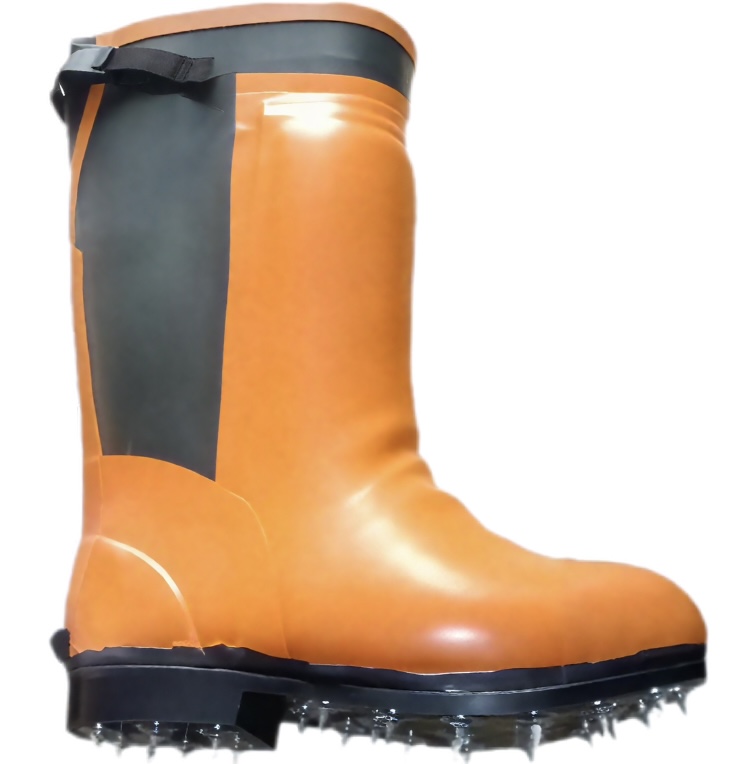
Durable cut-resistant work boots are typically made from high - quality materials and advanced manufacturing processes. Common materials include rubber, which offers excellent waterproofing, durability, and shock absorption. Natural rubber, with its high elasticity and strength, can resist abrasion and cuts, while synthetic rubber can be engineered to have specific properties such as chemical resistance and low - temperature flexibility. Another important material is Kevlar or other cut - resistant fibers. These fibers are woven into the boot structure to provide a high level of cut protection. They are lightweight but strong, making them ideal for working environments where mobility is crucial.
Manufacturing processes play a vital role in the performance of the boots. Injection molding is a common technique used for making the soles. In this process, molten rubber or plastic is injected into a mold at high pressure, forming a precise and durable sole with a consistent quality. The sole pattern is designed to provide maximum traction in different environments. For example, a deep - lug pattern is suitable for muddy and uneven surfaces, while a herringbone pattern offers good grip on both wet and dry floors. Vulcanization is another key process, especially for rubber boots. By heating the rubber with sulfur or other vulcanizing agents, the rubber molecules form cross - links, enhancing the boot's strength, durability, and resistance to heat and chemicals. Professional Rain Boot Manufacturer can use these processes to ensure that the boots meet the highest standards of quality and performance.
3. Practical Solutions and Operation Steps
When choosing durable cut - resistant work boots, the following steps can be followed:
- Material selection: For cut protection, look for boots with Kevlar or other cut - resistant fibers in the upper. For the sole, rubber is a good choice for its durability and traction. If working in a chemical - exposed environment, select a rubber that is resistant to the specific chemicals.
- Boot height: Consider the work environment. High - top boots offer more ankle support and protection from splashes and debris in environments like construction or mining. Low - top boots may be more suitable for food processing or warehousing where mobility is a priority.
- Sole pattern: If the work surface is often wet, greasy, or uneven, choose a sole with a deep and well - defined pattern. For indoor and dry environments, a less aggressive pattern may be sufficient.
- Lining: Opt for a breathable lining to prevent foot odor and sweat accumulation. A moisture - wicking lining is ideal as it keeps the feet dry.
- Size: Make sure to measure your feet accurately and try on the boots. Allow some room for the feet to move comfortably, especially if you will be wearing thick socks. Check the boot's width as well, as a too - narrow boot can cause discomfort and circulation problems.
- Certifications: Look for boots that meet relevant safety standards such as ASTM F2413 - 24 for cut - resistant and safety - toe boots. These certifications ensure that the boots have been tested and meet minimum performance requirements.
4. Daily Maintenance and Precautions
Proper daily maintenance can extend the lifespan of cut - resistant work boots. After each use, remove any dirt, debris, and chemicals from the boots. Use a soft brush or cloth and mild soap to clean the boots. Rinse thoroughly with water and avoid using hot water, which can damage the materials. Allow the boots to dry naturally in a well - ventilated area, away from direct sunlight and heat sources, as excessive heat can cause the rubber to crack and the materials to shrink or deform.
To prevent odors, sprinkle some baking soda inside the boots when they are not in use. Avoid using harsh chemicals or solvents to clean the boots, as these can damage the cut - resistant fibers and the rubber. Also, do not use these boots in an environment that requires a certified safety boot if they are not. For example, do not substitute a regular cut - resistant boot for a steel - toe safety boot in a construction site where there is a risk of heavy objects falling on the feet.
5. Industry Standard and Parameter Reference
Industry standards are crucial for ensuring the safety and performance of cut - resistant work boots. The following table shows some important parameters, recommended references, and why they matter:
ParameterRecommended ReferenceWhy It MattersSlip resistanceEN ISO 20344:2021 / EN ISO 20347:2022+A1:2024 where applicableHelps evaluate outsole grip on wet or contaminated surfaces. It reduces the risk of slips and falls, which are common accidents in industrial workplaces.Occupational footwear requirementsISO 20347:2021 or EN ISO 20347:2022+A1:2024Supports non - safety occupational footwear selection, ensuring that the boots meet the basic requirements for different work environments.Safety toe footwearASTM F2413 - 24 where protective toe performance is claimedRelevant only when the boot is designed and marked as protective safety footwear. It guarantees that the toe area can withstand a certain amount of impact and compression.Chemical protective footwearEN 13832 - 3:2018 where prolonged chemical contact is claimedUseful for chemical degradation and permeation evaluation, protecting the feet from chemical burns and damage in chemical - handling environments.Cut resistanceASTM F2992 - 15 (2024) for cut - resistant materials and bootsIt measures the boot's ability to resist cuts from sharp objects, which is the primary function of cut - resistant work boots.
6. Customer Common FAQ
Q: How do I choose the right cut - resistant material for my boots?
A: Consider the type of work you do. If you deal with sharp blades frequently, boots with a high - level cut - resistant fiber like Kevlar are recommended. For less extreme situations, other cut - resistant materials may be sufficient. Professional Rain Boot Manufacturer can provide more detailed advice based on your specific work requirements.
Q: Are cut - resistant boots waterproof?
A: Not all cut - resistant boots are waterproof. Some boots are designed specifically for waterproofing, usually with rubber or waterproof membranes. If waterproofing is a requirement for your work, look for boots that are labeled as waterproof or have a waterproof lining.
Q: How do I know if the boots are the right size?
A: Measure your feet accurately and refer to the boot manufacturer's size chart. Try on the boots with the socks you will be wearing for work. Your feet should have enough room to move, but the boots should not be too loose. Walk around in the boots to ensure they are comfortable and do not cause any pain or blisters.
Q: Do cut - resistant boots have a strong odor?
A: New boots may have a mild odor, which usually fades after a few days of use. If the odor is strong and persistent, it could be a sign of low - quality materials. To reduce the odor, you can use odor - absorbing products like baking soda or foot deodorizers.
Q: Can I wear cut - resistant boots in cold environments?
A: It depends on the boot's insulation properties. Some cut - resistant boots are designed with insulation for cold environments, while others are not. If you work in cold conditions, look for boots with insulation such as Thinsulate or wool lining.
Conclusion
In conclusion, durable cut - resistant work boots are essential for workers in various industrial environments. Understanding the core problems, product and process principles, practical solutions, maintenance tips, and industry standards is crucial for making the right boot selection. By following the guidance provided in this article, you can choose boots that offer adequate protection, comfort, and durability. Professional Rain Boot Manufacturer can offer more in - depth knowledge and assistance in finding the most suitable boots for your specific needs.
References
- ASTM F2413 - 24, Standard Specification for Performance Requirements for Protective and Prescription Footwear
- EN ISO 20344:2021, Footwear - Test methods
- EN ISO 20347:2022+A1:2024, Safety footwear - Requirements, testing and marking
- EN 13832 - 3:2018, Protective footwear against chemical risks - Part 3: Requirements for footwear providing protection on a professional basis against chemicals
- ASTM F2992 - 15 (2024), Standard Test Method for Measuring Cut Resistance of Materials Used in Protective Clothing