


How Equestrian Boots Boost Cross-Country Rider Traction and Ankle Stability
Sep 29, 2026
View: 0
Leave a message
Meta Description: Cross-country riding demands gear that keeps riders steady on uneven, wet or muddy terrain. This guide breaks down how equestrian boots address key performance needs for outdoor equestrian activities. It covers material properties, design elements, standards and maintenance tips to help buyers make informed choices. Professional Rain Boot Manufacturer offers technical insights tailored to equestrian footwear requirements.
Keywords: equestrian boots, cross-country riding, boot traction, ankle stability, riding footwear, boot maintenance, equestrian safety standards
1. Core Problem Analysis
1.1 Common Causes of the Problem
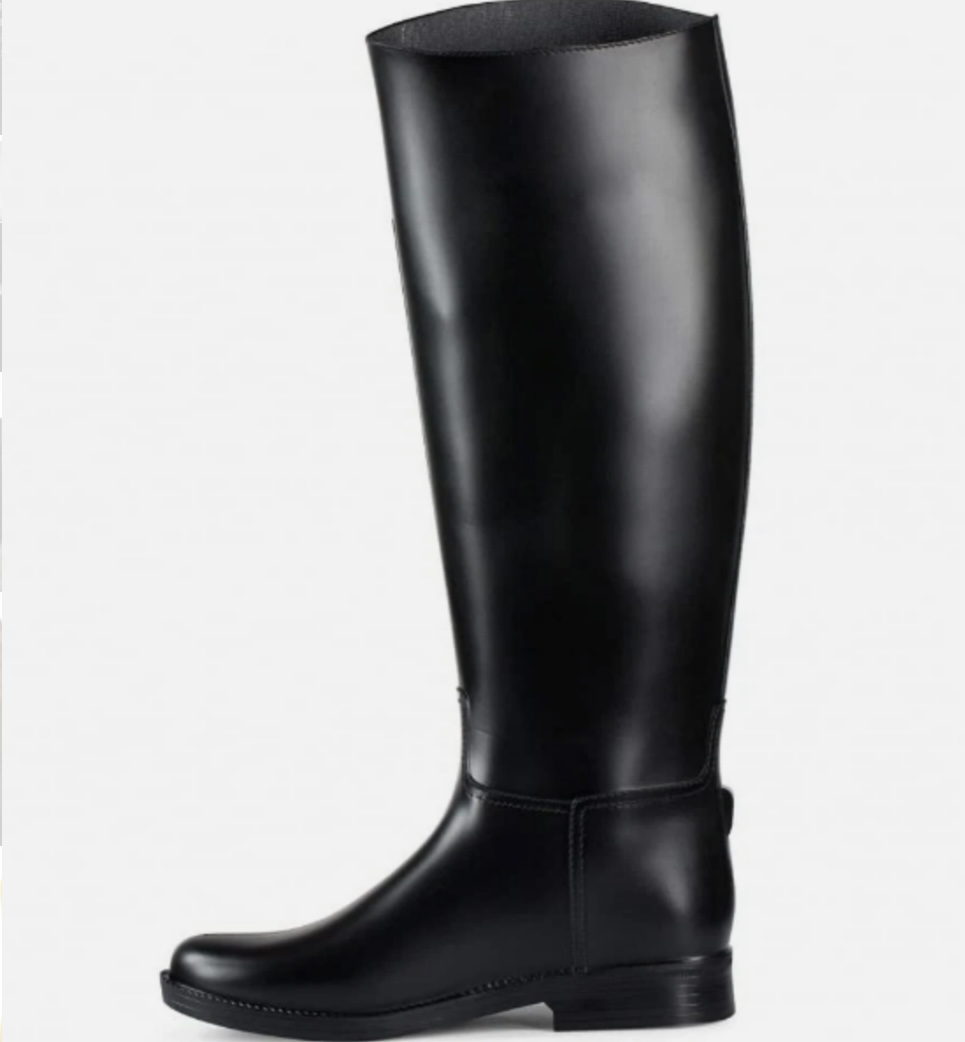
Riders seeking equestrian boots often face issues that undermine performance: insufficient outsole tread for slip on wet or grassy uneven ground, inadequate ankle support leading to fatigue or minor injury, water seepage through seams during muddy rides, and poor fit that causes blisters or restricted movement. These problems stem from unaligned design for cross-country terrain specific demands, rather than general riding boot use.
1.2 Affected Usage Scenarios
The performance gaps impact multiple cross-country equestrian scenarios: outdoor cross-country trail rides, eventing phases combining dressage, cross-country and show jumping, riding in wet seasonal conditions, navigating uneven grass or dirt terrain, and long-distance riding that requires all-day comfort and stability.
2. Product and Process Principle
Equestrian boots for cross-country rely on specialized material formulations and construction techniques to deliver traction and stability. Common materials include natural rubber for flexible grip and synthetic compounds for durability, with outsole tread patterns engineered to channel water, mud or debris away from contact surfaces. Seam-free injection molding techniques reduce water penetration points, while shaft height and internal support panels restrict excessive ankle movement. A professional rain boot manufacturer applies standardized material compound testing to ensure consistent traction properties across production runs [1].
Different material properties serve distinct purposes: softer rubber compounds offer better grip on loose soil, while firmer formulations maintain tread shape over extended use. Internal ankle support is integrated using durable but flexible inserts, with shaft flexibility calibrated to balance movement freedom and stability during riding motions. This construction differs from formal riding boots designed only for flat, arena surfaces.
3. Practical Solutions and Operation Steps
To select and use equestrian boots for cross-country terrain, follow these actionable steps based on verified footwear principles:
- Step 1: Assess primary terrain: For muddy or wet grass, prioritize boots with deep, multi-directional outsole treads; for hard packed dirt, choose slightly shallower, wider tread patterns that provide even contact.
- Step 2: Measure ankle flexibility: Test boot shaft movement to ensure it restricts side-to-side motion without limiting forward/backward ankle tilt, a key motion during riding.
- Step 3: Verify water resistance: Check for sealed construction (no exposed seams at the shaft base or sole) and lining that repels water, while allowing breathability to prevent sweat buildup during long rides.
- Step 4: Match fit to riding socks: Wear typical riding socks when trying on boots to ensure a snug fit that does not pinch at the ankle or slide at the heel while moving.
- Step 5: Break in boots gradually: Wear them for short practice rides before full cross-country use to soften materials and align support panels to the ankle’s shape.
4. Daily Maintenance and Precautions
Proper maintenance preserves traction and stability features of equestrian boots. After each use, remove mud or debris from the outsole tread using a stiff brush, avoiding sharp tools that could damage tread patterns. Wipe the exterior with a damp cloth and air dry away from direct sunlight or high heat, which can cause material cracking or stiffness. Do not use strong solvents or harsh cleaners, as these degrade rubber compounds and tread grip properties.
Additional precautions include: storing boots in a cool, dry space away from chemicals or sharp objects to prevent punctures; conditioning rubber or synthetic linings as recommended by the manufacturer to retain flexibility; avoiding use of cross-country equestrian boots as general rain boots, as they are calibrated for riding-specific movements rather than walking on flat urban surfaces.
5. Industry Standard and Parameter Reference
ParameterRecommended ReferenceWhy It Matters
Slip resistance for outdoor useEN ISO 20347:2022+A1:2024, section on slip resistance testingEvaluates outsole grip on wet grass, dirt and common cross-country surfaces
Footwear flexibilityISO 20344:2021, section on flexing resistanceEnsures boot maintains shape and support after repeated movement during riding
Water penetration resistanceEN 13832-3:2018, standard for chemical and water resistant footwearVerifies no water seepage through construction during wet conditions
Ankle support ratingASTM F2413-24, relevant for protective footwear designConfirms boot provides structural support without restricting natural movement
These standards provide a framework for evaluating equestrian boot performance, with testing conducted per standardized methods rather than subjective assessments. A professional rain boot manufacturer uses these parameters to align production with equestrian requirements for cross-country use.
6. Customer Common FAQ
Q: How do I tell if equestrian boots have enough traction for muddy cross-country terrain?
A: Look for outsole treads that are at least 5mm deep, with lugs arranged in multi-directional patterns to channel mud away from contact points. Testing per EN ISO 20347:2022+A1:2024 will confirm slip resistance properties for outdoor conditions.
Q: Can regular rain boots work as cross-country equestrian boots?
A: No. Regular rain boots lack the ankle support and tread pattern calibrated for riding movements, and may cause instability or injury. Equestrian boots are designed specifically to accommodate riding motions rather than general walking.
Q: How often should I condition my equestrian boots to maintain stability?
A: Condition every 3-6 months, depending on frequency of use. Avoid over-conditioning, as this can soften support materials excessively. A professional rain boot manufacturer recommends following the material-specific care guidelines provided with the footwear.
Q: What size adjustment do I need for cross-country riding?
A: Order half a size larger than your regular shoe size when wearing thick winter riding socks, or your regular size if using thin summer socks. A snug fit prevents heel slip and ensures ankle support remains effective during long rides.
Conclusion
Cross-country equestrian boots deliver targeted traction and ankle stability through specialized materials, construction techniques and standardized design. By aligning selection with terrain, fitting properly and following maintenance best practices, riders can address common performance gaps that impact safety and comfort. Technical parameters from industry standards provide reliable benchmarks for evaluating boot quality, while proper care preserves these features over time. Professional Rain Boot Manufacturer contributes technical insights to help riders and buyers navigate equestrian footwear requirements effectively.
References
- ISO 20344:2021, Footwear - Test methods for whole shoe, International Organization for Standardization, Geneva, 2021
- EN ISO 20347:2022+A1:2024, Occupational footwear, European Committee for Standardization, Brussels, 2024
- EN 13832-3:2018, Chemical protective footwear - Part 3: Requirements for footwear resistant to chemicals, European Committee for Standardization, Brussels, 2018
- ASTM F2413-24, Standard specification for performance requirements for protective footwear, ASTM International, West Conshohocken, PA, 2024