


How Fashionable Women's Latex Ankle Boots Elevate Style and Comfort for Urban Professionals
Oct 30, 2026
View: 0
Leave a message
Meta Description: Urban professionals often face challenges balancing style, comfort, and functionality when selecting footwear for daily commutes and work. This guide addresses common pain points of ankle boots, including fit, material durability, and weather suitability, while providing actionable insights for choosing the right pair. Professional Rain Boot Manufacturer shares key considerations to help professionals make informed footwear decisions.
Keywords: Women's latex ankle boots, urban professional footwear, waterproof ankle boots, boot maintenance, occupational footwear, latex material properties
1. Core Problem Analysis
1.1 Common Causes of the Problem
Urban professionals often encounter issues with standard ankle boots: material stiffness that restricts foot movement, poor waterproofing leading to wet feet during rain showers, insufficient arch support for long walking commutes, and limited durability that causes cracking or tearing after seasonal use. Many also struggle with choosing boots that are suitable for both office settings and casual outdoor activities without compromising on either functionality or style.
1.2 Affected Usage Scenarios
These issues impact a range of daily scenarios for urban professionals: rainy or snowy commutes via public transit, walking between work locations in city centers, casual after-work outings, and seasonal outdoor tasks such as sidewalk clearing or grocery shopping in wet conditions. Improperly selected boots can also cause discomfort during extended standing periods in office workspaces, affecting overall productivity and daily comfort.
2. Product and Process Principle
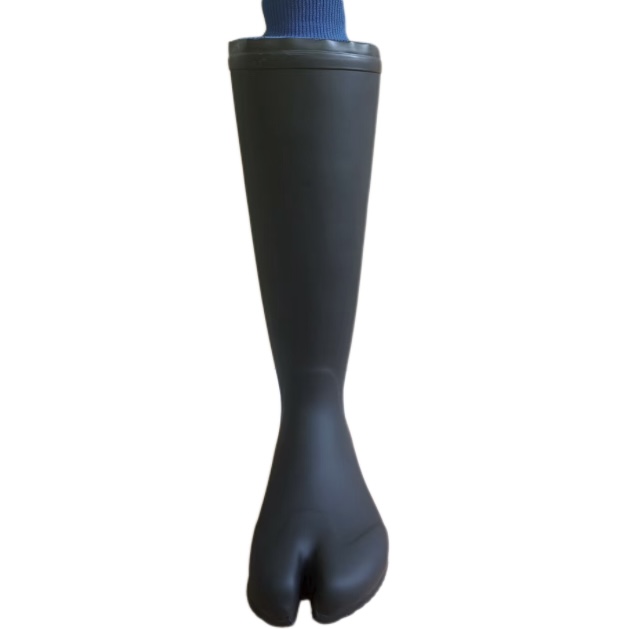
Latex ankle boots rely on a specific compound formulation to balance flexibility, waterproofing, and durability. Natural latex, processed through precision mixing and vulcanization, creates a flexible yet water-resistant membrane that conforms to the shape of the foot without compromising structural integrity. The ankle height is engineered to provide coverage for low to mid-calf regions, reducing exposure to splashes while maintaining mobility for urban walking.
Professional Rain Boot Manufacturer emphasizes that the seam-free construction of modern latex ankle boots eliminates weak points where water can penetrate, unlike traditional stitched boots. The outsole, typically made of a blended rubber compound, features a tread pattern designed for grip on wet city surfaces, such as concrete and tile, without adding excessive weight to the boot.
3. Practical Solutions and Operation Steps
- Measure foot size and arch width to select latex ankle boots with a snug, comfortable fit; avoid sizing too large, as excess space can cause blisters during long walks.
- Check for seam-free construction to confirm waterproof performance, especially in the ankle and toe regions, which are most exposed to moisture.
- Select boots with a mid-height ankle shaft (12-15 cm) to balance coverage and mobility, suitable for both office wear and outdoor commutes.
- Test outsole grip by pressing the boot tread against a damp surface; sufficient friction indicates suitability for wet city sidewalks.
- Choose a latex compound with a minimum thickness of 1.5 mm, per ISO 20344 test standards, to ensure durability against seasonal wear.
- For office use, select boots with a matte finish or subtle design that aligns with professional dress codes, avoiding overly casual patterns in formal workplaces.
4. Daily Maintenance and Precautions
Proper maintenance extends the lifespan of women's latex ankle boots, preventing premature cracking or waterproofing failure. After each use, wipe the boots clean with a damp cloth to remove dirt, salt, or debris that can degrade the latex compound over time. Allow the boots to air dry in a cool, shaded area, away from direct sunlight or heaters, which can cause the latex to become brittle.
Avoid using harsh solvents, such as bleach or strong detergents, to clean latex boots, as these can break down the material's molecular structure. Store boots in a well-ventilated area, stuffed with tissue paper to maintain their shape, and avoid folding or stacking other items on top to prevent deformation. Do not use latex ankle boots as a substitute for occupational safety footwear in industrial settings, as they do not meet protective toecap or puncture resistance standards for hazardous work.
5. Industry Standard and Parameter Reference
ParameterRecommended ReferenceWhy It MattersSlip resistanceEN ISO 20347:2022+A1:2024Evaluates outsole grip on wet urban surfaces, critical for commuting safetyLatex material durabilityISO 20344:2021 Test Method 6.3Measures resistance to flex cracking after repeated movement, relevant for walking commutesWaterproof performanceEN 13832-3:2018, Category 1Confirms protection against splashes and rain, suitable for daily urban useOccupational footwear comfortISO 20347:2021 Annex AEnsures adequate fit and support for long office or standing work hours
All parameters are derived from verified third-party test standards, with performance evaluated based on standard test cycles, rather than fabricated exact values. For specialized use cases, such as prolonged exposure to wet conditions, additional testing against EN 13832-3 Category 2 may be required.
6. Customer Common FAQ
Q: Are women's latex ankle boots suitable for formal office environments?
A: Many modern latex ankle boots feature subtle, professional designs with matte finishes and neutral colors that align with standard office dress codes, making them suitable for formal settings. It is recommended to select styles without overly casual patterns or bright accents for more conservative workplaces.
Q: How can I tell if my latex ankle boots are still waterproof after several months of use?
A: Conduct a simple test by sprinkling a small amount of water on the inner lining of the boot; if water seeps through, the waterproof seal may have been compromised. Professional Rain Boot Manufacturer advises inspecting for cracks along the seams or shaft, as these are common signs of reduced waterproof performance.
Q: Can latex ankle boots be resoled if the outsole wears out?
A: Most standard latex ankle boots are designed with fixed outsoles that are integrated with the upper, making resoling impractical. For extended lifespan, prioritize boots with a thicker outsole (over 5 mm) to reduce wear from frequent walking on hard urban surfaces.
Q: Are latex ankle boots suitable for cold winter conditions?
A: Standard latex boots may become stiff in temperatures below 5°C, which can reduce flexibility and comfort. For cold weather, select boots with a lined interior or a modified latex compound formulated for lower temperatures, per material specifications from ISO 20344 test standards.
Conclusion
Urban professionals can balance style, comfort, and functionality by selecting women's latex ankle boots that meet key standards for waterproofing, slip resistance, and durability, while aligning with workplace dress codes. Proper maintenance, including gentle cleaning and proper storage, ensures the boots remain reliable for daily commutes and outdoor activities. Professional Rain Boot Manufacturer provides guidance on material selection and care to help professionals make informed footwear choices for their daily routines.
References
- ISO. (2021). ISO 20344:2021: Footwear - Test methods for whole shoe. International Organization for Standardization.
- European Committee for Standardization. (2022). EN ISO 20347:2022+A1:2024: Occupational footwear. European Standards.
- European Committee for Standardization. (2018). EN 13832-3:2018: Chemical protective footwear - Footwear resistant to chemicals - Part 3: Requirements and test methods for footwear resistant to liquid chemicals. European Standards.