


How Fashionable Women's Latex Ankle Boots Enhance Cold-Season Daily Street Style
Oct 8, 2026
View: 0
Leave a message
Meta Description: For women seeking cold-weather footwear that balances street style and wet protection, latex ankle boots are a practical yet stylish choice. This guide covers material properties, selection tips, maintenance, and industry standards to help you make informed choices. Professional Rain Boot Manufacturer shares expert insights on product performance and durability.
Keywords: fashionable women's latex ankle boots, cold season street style, waterproof ankle boots, rain boot maintenance, footwear material science, slip-resistant boots
1. Core Problem Analysis
1.1 Common Causes of the Problem
Many women face trade-offs when selecting cold-season footwear: overly bulky snow boots ruin street style, fabric or synthetic leather boots leak in slush, and plastic rain boots cause foot sweat or discomfort. For latex ankle boots, common issues include stiff material in low temperatures, improper sizing leading to blisters, and insufficient outsole grip on icy or wet pavement.
1.2 Affected Usage Scenarios
These issues impact daily commuting, weekend shopping, casual gatherings, and outdoor walks in chilly, rainy weather. Urban environments with slushy sidewalks, lightly icy crosswalks, and mixed wet-dry surfaces are especially high-risk for unfit ankle boots.
2. Product and Process Principle
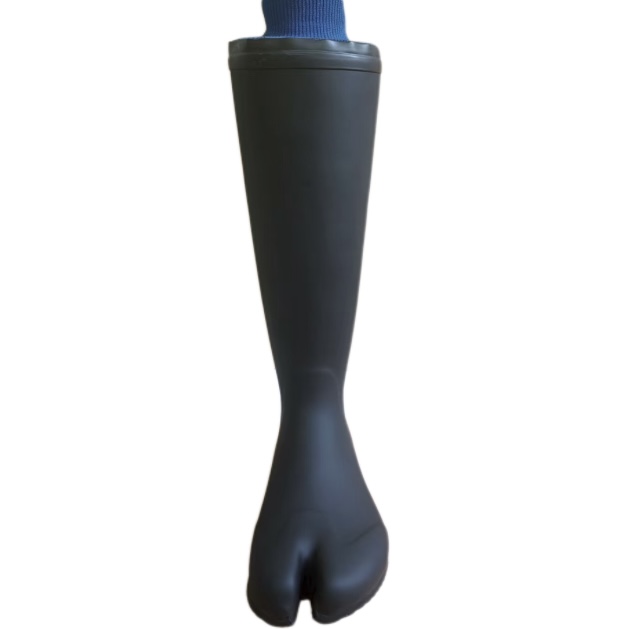
Latex used in ankle boots combines natural rubber compounds with synthetic additives to balance flexibility, waterproofness, and cold resistance. Unlike rigid PVC, vulcanized latex undergoes a heating and pressure process that cross-links polymer molecules, creating a seamless, stretchable structure that adapts to foot movement without cracking at temperatures as low as 0°C (32°F) under controlled testing conditions. The shaft height of ankle boots (typically 15–20 cm) reduces exposure to slush and rain while remaining slim enough for street styling. A Professional Rain Boot Manufacturer explains that this material mix is optimized for both aesthetic appeal and functional performance in mild to moderately cold weather.
3. Practical Solutions and Operation Steps
- Step 1: Check material specs before purchase. Confirm latex boots use vulcanized compound rather than cast latex, which is prone to splitting in cold temperatures.
- Step 2: Select shaft height based on your typical route. Choose a 17–19 cm shaft for commutes with slush, or 15 cm for dry, cold urban areas to emphasize street style.
- Step 3: Test outsole grip. Press the sole firmly on a smooth, slightly damp surface; a good grip will resist slipping when tilted at a 15-degree angle.
- Step 4: Check sizing. Leave 0.5–1 cm of toe room for socks, but avoid overly loose boots that rub against the ankle in motion.
- Step 5: Match lining to weather. Fleece linings are suitable for temperatures down to -5°C (23°F), while mesh linings work for 0–10°C (32–50°F).
4. Daily Maintenance and Precautions
To extend the lifespan of latex ankle boots, clean them with a mild soap solution and soft cloth after exposure to salt or slush, then air dry at room temperature (18–22°C / 65–72°F). Avoid direct sunlight or proximity to space heaters, as extreme heat breaks down latex polymer bonds and causes cracking. For odor buildup, stuff dry newspaper inside the boots overnight to absorb moisture. Never use strong solvents like acetone to clean stains, as they will degrade the latex material.
Key precautions: Do not use latex ankle boots for heavy outdoor work like gardening or livestock handling, as they are not designed for constant abrasion or deep mud. Do not wear them in temperatures below -10°C (14°F), as unmodified latex becomes brittle at this range.
5. Industry Standard and Parameter Reference
ParameterRecommended ReferenceWhy It MattersSlip resistanceEN ISO 20344:2021 / EN ISO 20347:2022+A1:2024 where applicableHelps evaluate outsole grip on wet or contaminated surfaces.Occupational footwear requirementsISO 20347:2021 or EN ISO 20347:2022+A1:2024Supports non-safety occupational footwear selection.Low-temperature flexibilityISO 20344:2021 (cold test method for footwear materials)Tests material resistance to cracking at sub-zero temperatures.Waterproof performanceISO 20344:2021 (water penetration test for footwear)Verifies no water entry through seams or material during standard testing.
Do not invent exact performance numbers. Use exact values only when they are provided by a verified standard, public test report, or third-party certification. For example, the low-temperature flexibility test per ISO 20344:2021 measures bending resistance at specified temperatures, with results reported as pass or fail rather than custom numerical scores.
6. Customer Common FAQ
Q: Are latex ankle boots suitable for temperatures below freezing?
A: Standard vulcanized latex performs best at temperatures above -5°C (23°F). For use below this, look for boots formulated with additional polymer modifiers, as a Professional Rain Boot Manufacturer notes. Unmodified latex boots may crack when exposed to temperatures below -10°C (14°F).
Q: How do I clean salt stains from my latex ankle boots?
A: Mix 1 part mild dish soap with 4 parts warm water, dab the stain with a soft cloth, then rinse with clean water and air dry away from heat sources. Avoid scrubbing aggressively, as this can damage the smooth latex surface.
Q: Can I wear latex ankle boots for long walks in heavy rain?
A: Yes, if they have a seamless construction and pass the ISO 20344 waterproof test. Ankle-length boots are designed to protect feet from moderate rain, but avoid submerging the shaft in deep water for extended periods.
Q: Do latex ankle boots come in wide sizes for people with broader feet?
A: Many manufacturers offer wide width options for latex boots, as the stretchable material adapts to wider feet. Always check sizing charts from specific brands to confirm width measurements before purchase.
Conclusion
Women's latex ankle boots strike a balance between cold-season street style and functional protection, addressing common pain points like bulky footwear or leaking rain boots. Key factors for selection include vulcanized material, appropriate shaft height, and slip-resistant outsoles, while maintenance practices like gentle cleaning and proper drying preserve performance. Professional Rain Boot Manufacturer confirms that these boots are a practical choice for urban cold-weather use, provided users adhere to temperature and use boundary guidelines.
References
- International Organization for Standardization. ISO 20344:2021. Footwear – Test methods for whole footwear. Geneva, Switzerland, 2021.
- International Organization for Standardization. ISO 20347:2021. Occupational footwear. Geneva, Switzerland, 2021.
- European Committee for Standardization. EN ISO 20347:2022+A1:2024. Occupational footwear. Brussels, Belgium, 2024.