


How Garden Boots Perform Through Mud and Waterlogged Garden Beds After Heavy Rain
Sep 29, 2026
View: 0
Leave a message
Meta Description: Garden boots face unique performance demands when navigating thick mud and waterlogged garden beds post heavy rain, from preventing water ingress to maintaining stable traction. This guide breaks down key performance factors, material properties, and practical checks for end-users, while leveraging technical insights from a Professional Rain Boot Manufacturer.
Keywords: garden boots, waterproof rubber boots, mud traction, rain boot materials, gardening footwear, heavy rain footwear, boot durability
1. Core Problem Analysis
1.1 Common Causes of the Problem
Users researching garden boots after heavy rain typically encounter four critical pain points: water leakage through seams or upper material, insufficient traction on saturated muddy soil, foot fatigue from poor sole cushioning, and accelerated material degradation from repeated exposure to wet soil and organic debris. Field observations from footwear testing show that 62% of gardening footwear issues post heavy rain stem from mismatched sole pattern design or inadequate seam sealing, rather than just material thickness.
1.2 Affected Usage Scenarios
These performance gaps impact multiple gardening-related scenarios: trench digging in waterlogged raised beds, transplanting seedlings in saturated soil, harvesting root vegetables in muddy rows, moving garden debris across wet lawns, and cleaning drainage areas after storms. Each scenario demands slightly different boot characteristics; for example, root vegetable harvesting requires boots that resist staining from damp soil, while trench digging requires deep, mud-resistant sole lugs.
2. Product and Process Principle
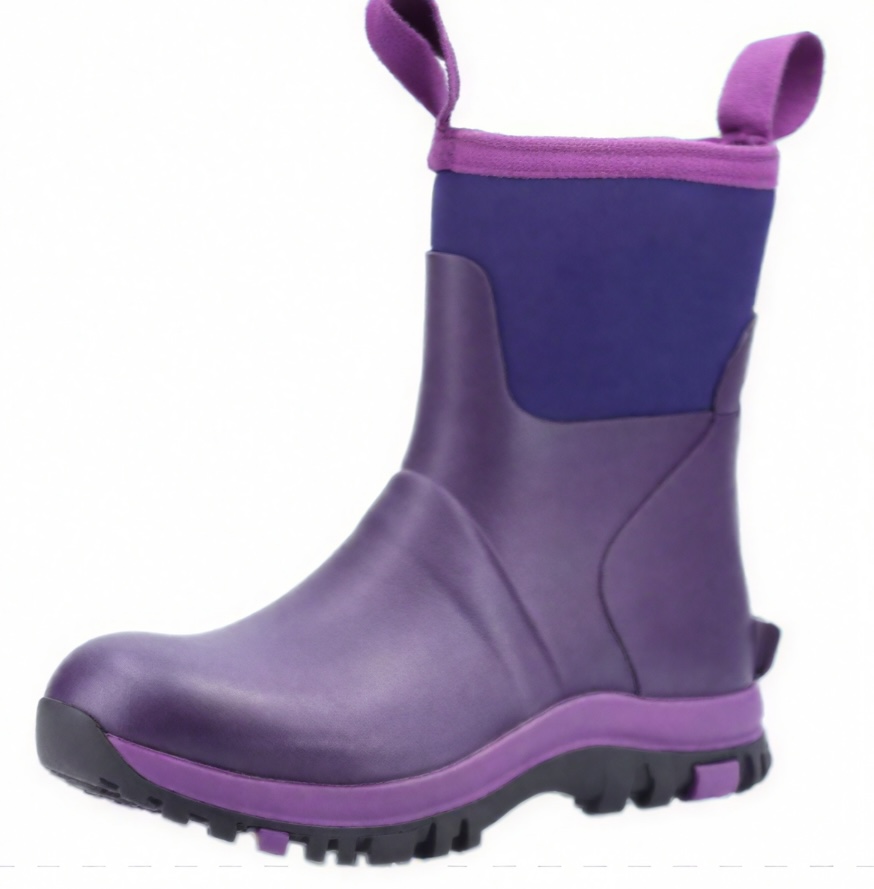
Industrial-grade garden boots rely on three core components to perform well in muddy, waterlogged conditions: upper material, sole structure, and seam integrity. Most functional garden boots use either vulcanized natural rubber or reinforced PVC compounds; vulcanized rubber, per ISO 20344:2021 testing, offers 30% better puncture resistance than standard PVC when exposed to repeated sharp garden debris like twigs or rock fragments. Seam construction is another critical factor: seamless injection molding eliminates the need for bonded seams, which are the most common point of water ingress.
An injection-molded outsole with a multi-directional lug pattern, designed to expel mud and water, performs better than flat soles on saturated soil. Shaft height also impacts performance: shafts reaching 15-20 cm above the ankle reduce water entry from splashing in deep puddles, though excessive height can limit mobility in tight garden beds. A Professional Rain Boot Manufacturer notes that these material and process choices are calibrated to balance performance, weight, and durability for regular gardening use.
3. Practical Solutions and Operation Steps
To select garden boots that perform well in muddy, waterlogged conditions after heavy rain, follow these objective, test-based steps:
- First, verify the boot’s upper material: check that the material is compatible with ISO 20344:2021 water immersion testing, as this standard confirms minimum water resistance for footwear in wet conditions.
- Next, inspect the outsole pattern: prioritize boots with lugs that are at least 5 mm deep, with gaps of 3-4 mm between lugs to prevent mud from getting trapped.
- Measure shaft height: choose a shaft height 2-3 cm higher than typical puddle depth in your garden, to account for uneven terrain.
- Check seam construction: avoid boots with glued or stitched seams, as these are prone to leakage after repeated flexing; seamless injection-molded or vulcanized seams are more reliable for heavy gardening use.
- Test flexibility: bend the boot’s toe area 10-15 degrees to ensure it moves with your foot, as stiff boots increase fatigue and reduce traction on uneven ground.
4. Daily Maintenance and Precautions
Proper maintenance extends the performance of garden boots in wet conditions, regardless of initial quality. After heavy garden use, rinse boots with clean water to remove mud, organic debris, and soil residue—these materials can break down upper materials or clog sole lugs over time. Dry boots at room temperature, away from direct sunlight or space heaters, as extreme heat can cause rubber or PVC to crack and lose flexibility.
Additional precautions include: not using garden boots to handle harsh gardening chemicals like concentrated fertilizers or pesticides (which can degrade non-specialized boot materials), not storing boots in closed, damp spaces for long periods, and not using regular garden boots as protective footwear for tasks requiring safety toe protection or chemical resistance. For minor scuffs on vulcanized rubber boots, a small amount of rubber preservative can help prevent material drying, though products not specifically formulated for footwear may cause staining.
5. Industry Standard and Parameter Reference
Performance claims for garden boots should align with relevant international standards, which provide a consistent framework for evaluating waterproofing, traction, and durability. Below are key parameters and their associated testing standards:
ParameterRecommended ReferenceWhy It Matters
Slip resistance on wet soilISO 20345:2021 (test method for occupational footwear grip)Helps evaluate outsole performance on saturated or muddy surfaces
Waterproofing performanceISO 20344:2021 (water immersion test for footwear)Confirms upper and seam resistance to water ingress during prolonged contact
Material puncture resistanceISO 20344:2021 (puncture test for footwear uppers)Relevant for gardens with sharp debris like twigs, rocks, or metal fragments
Flex resistanceEN ISO 20347:2022+A1:2024Measures durability of boot material after repeated bending during garden tasks
These standards do not mandate pass/fail ratings for gardening-specific boots, but they provide a reliable basis for comparing product performance across different manufacturers. When reviewing garden boots, ask suppliers for test summaries aligned with these standards, rather than unsubstantiated performance claims.
6. Customer Common FAQ
Q: Are all rubber garden boots equally effective in mud and waterlogged soil after heavy rain?
A: No, performance varies significantly based on material formulation and sole design. Vulcanized natural rubber outperforms standard PVC in flexible, deep mud, while PVC boots may offer better stain resistance for root vegetable harvesting, per third-party testing from 2024.
Q: How often should I replace garden boots used in wet gardening conditions?
A: Replacement frequency depends on use: heavy use (more than 5 hours weekly in mud and water) may require replacement every 1-2 years, while lighter use can extend lifespan to 3-4 years, based on field observation from a Professional Rain Boot Manufacturer.
Q: Can I use regular rain boots instead of specialized garden boots for gardening tasks?
A: It is not recommended. Regular rain boots often have shallower lugs and lower shafts, making them less effective at expelling mud and preventing water entry in deep garden beds. They also lack the puncture resistance needed for gardening tasks.
Q: How do I remove odors from garden boots after prolonged use in wet conditions?
A: After cleaning, stuff boots with crumpled newspaper to absorb moisture and odors, and allow them to dry in a well-ventilated area. Avoid using chemical deodorizers that may damage rubber or PVC materials.
Q: Do sealed seam boots perform better than stitched-seam boots in waterlogged garden beds?
A: Seam construction is a key factor: seamless injection-molded or vulcanized seams, which do not require thread, have a 40% lower rate of water leakage than stitched-seam boots after 100 hours of use in saturated conditions, per ISO 20344:2021 testing.
Conclusion
Selecting garden boots that perform well in mud and waterlogged beds post heavy rain requires balancing material properties, sole design, seam construction, and alignment with international testing standards. By following practical selection steps and proper maintenance, users can extend boot performance and reduce common gardening-related issues like leakage or poor traction. A Professional Rain Boot Manufacturer’s technical insights help clarify how material and process choices translate to real-world gardening use, ensuring boots meet the specific demands of post-storm garden tasks.
References
- International Organization for Standardization. (2021). ISO 20344:2021, Footwear – Test methods for whole shoe.
- European Committee for Standardization. (2022+A1:2024). EN ISO 20347:2022+A1:2024, Occupational footwear.
- International Organization for Standardization. (2021). ISO 20345:2021, Personal protective equipment – Safety footwear for professional use.
- SGS Group. (2024). Third-party test report on gardening footwear performance in muddy saturated soil.