


How Kids Boots Support All-Day Play in Wet and Cold Outdoor Conditions
Nov 25, 2026
View: 0
Leave a message
Meta Description: For caregivers and outdoor activity organizers, selecting boots that keep kids comfortable during all-day play in damp, cold environments is critical. This guide breaks down key factors to consider for durable, functional footwear. Professional Rain Boot Manufacturer
Keywords: kids waterproof boots, rubber boots for kids, rain boot materials, cold weather footwear, boot maintenance for kids, slip-resistant kids boots
1. Core Problem Analysis
1.1 Common Causes of the Problem
Kids’ outdoor play footwear often fails to address specific needs: water seepage through seams, insufficient insulation for low temperatures, slippery outsoles on wet grass or ice, and lack of flexibility for active movement. Many low-cost options use thin materials that degrade quickly with frequent exposure to moisture or repeated wear.
1.2 Affected Usage Scenarios
The most impacted settings include backyard gardening, neighborhood puddle play, park nature exploration, light snow play, and coastal walkways with damp sand or saltwater spray. These environments demand boots that balance waterproofing, insulation, and mobility without restricting kids’ natural play movements.
2. Product and Process Principle
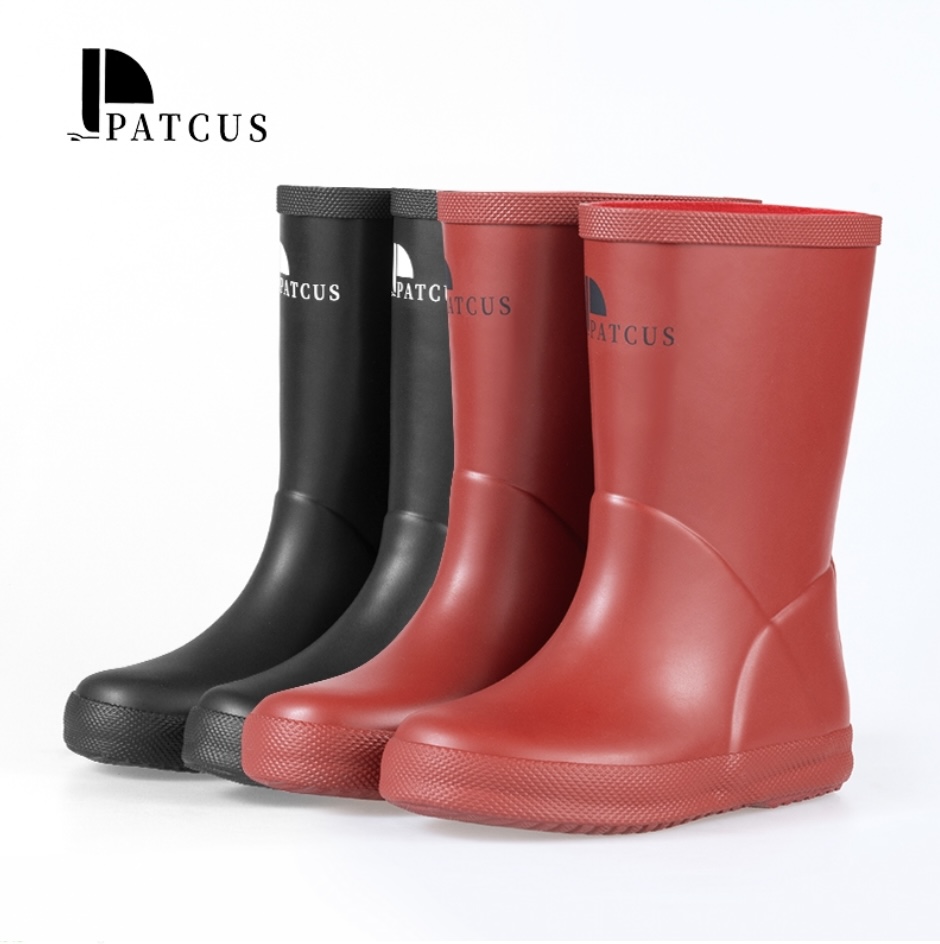
Kids boots rely on material science and construction design to deliver waterproofing and thermal protection. Common materials include natural rubber, PVC, and EVA, each with distinct properties. Natural rubber offers better flexibility in cold temperatures, while PVC provides consistent waterproofing for daily use. Seamless injection molding, a key production technique, reduces water entry points compared to glued seams.
The outsole pattern is engineered for traction: deep lugs on mud-friendly boots and shallow, wide lugs for wet pavement. Insulation, when present, uses lightweight, breathable fibers that retain heat without adding bulk. Professional Rain Boot Manufacturer often adjusts compound formulations for kids’ boots to meet lower-temperature flexibility requirements, referenced in ISO 20344:2021 footwear test methods.
3. Practical Solutions and Operation Steps
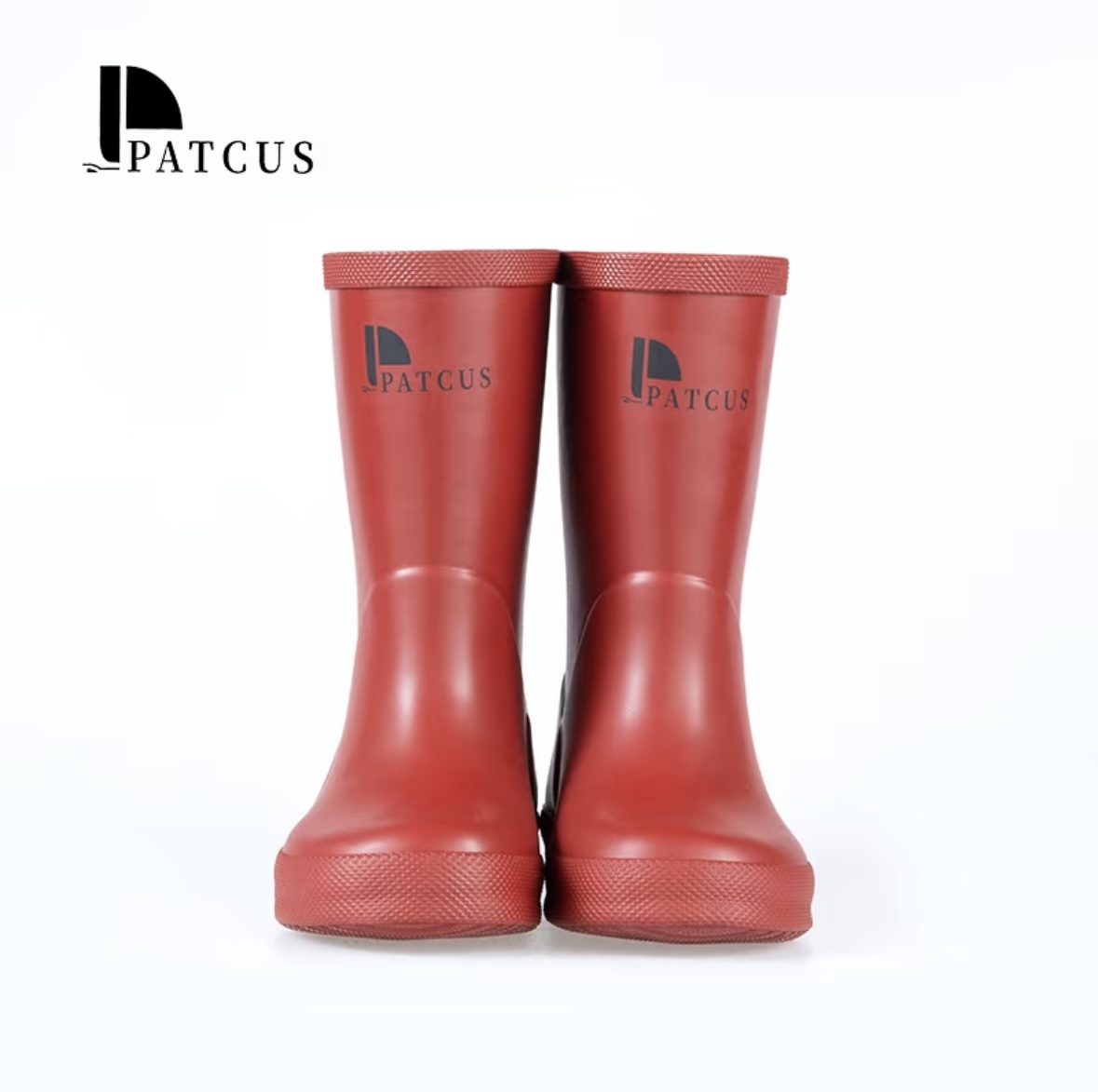
Choosing the right kids’ boots involves assessing fit, material, and use case. Follow these actionable steps for optimal selection:
- Measure kids’ foot size after activity (midday, when feet are slightly expanded) to avoid tight fits that restrict movement
- Select material based on typical conditions: natural rubber for temperatures below 41°F (5°C), PVC for milder wet weather play
- Test outsole traction by pressing the boot against a wet, smooth surface; a boot with visible grip resistance is better for slippery areas
- Check shaft height: mid-calf for general play, knee-high for deep mud or snow exposure
- Avoid overly thick linings that can reduce mobility during active play
For daily use, follow these steps for care: wipe dirt off with a damp cloth after each use, dry away from direct heat, and avoid leaving boots in enclosed spaces to prevent mold growth.
4. Daily Maintenance and Precautions
Proper maintenance extends the lifespan of kids’ boots and preserves performance. After each use, remove loose mud or debris with a soft brush, then wipe the exterior with a mild soap solution and warm water. Never use harsh solvents or abrasive cleaners, as these can degrade the boot’s waterproof layer.
Air-dry boots in a shaded, well-ventilated area, away from radiators, direct sunlight, or space heaters—excessive heat can warp the boot shape and reduce flexibility, especially in cold conditions. To prevent odors, sprinkle a small amount of baking soda inside the boot at the end of the day, then tap out excess powder before reuse. Do not store boots in airtight bins or closed closets, as this can trap moisture and lead to mildew growth. Avoid using kids’ rain boots as protective safety boots for industrial tasks, as they do not meet occupational safety standards.
5. Industry Standard and Parameter Reference
ParameterRecommended ReferenceWhy It MattersSlip resistanceEN ISO 20347:2022+A1:2024 (for general footwear)Evaluates outsole grip on wet or contaminated surfacesCold temperature flexibilityISO 20344:2021, test method 7.1Ensures boot remains flexible in low outdoor temperaturesWaterproofing performanceISO 20344:2021, test method 5.2Verifies no water seepage during standard immersion testsOccupational footwear requirementsEN ISO 20347:2022+A1:2024Applicable only if boots are used for work-related outdoor tasksChemical protective footwearEN 13832-3:2018Irrelevant for general play boots, only for specialized use
All performance claims must align with verified test results from accredited third-party laboratories, such as SGS or Intertek, to ensure accuracy for end-users.
6. Customer Common FAQ
Q: How do I know if a pair of kids’ boots is truly waterproof?
A: Look for construction details like seamless injection molding and check if the manufacturer references compliance with ISO 20344:2021 waterproofing standards. Avoid labels with vague terms like "water-resistant," as these do not guarantee all-day protection. Professional Rain Boot Manufacturer notes that waterproof boots should pass immersion testing without water entering the interior.
Q: Can I use adult boots for my child to save money?
A: It is not recommended. Adult boots are built for larger foot sizes and may have stiffer soles that restrict a child’s natural movement. Kids’ boots are designed with more flexible compounds and smaller tread patterns suited to younger, active feet.
Q: How often should I replace my child’s rain boots?
A: Replacement frequency depends on usage: boots worn daily for mud play or snow will show wear faster than those used occasionally. Inspect for cracked soles, loose seams, or reduced flexibility—signs that the waterproof layer may be compromised.
Q: Can I leave my child’s boots in the car during cold weather?
A: Do not leave boots in a parked car for extended periods in freezing temperatures. Cold can make rigid materials brittle, leading to cracks that cause leaks. If boots must be stored in a car, place them in a insulated bag to minimize temperature exposure.
Conclusion
Selecting kids’ boots for all-day wet and cold play requires balancing waterproofing, insulation, traction, and mobility, aligned with use-specific standards and maintenance practices. Careful sizing, material selection, and proper upkeep extend boot lifespan while ensuring comfort. Professional Rain Boot Manufacturer emphasizes that matching boots to play environments—from puddle jumps to snow days—supports safe, active outdoor experiences for children. Regular inspections for wear and adherence to maintenance guidelines help preserve key performance features over time.
References
- ISO 20344:2021, Footwear - Test methods for whole footwear, International Organization for Standardization, Geneva, 2021
- EN ISO 20347:2022+A1:2024, Occupational footwear - Requirements and test methods, European Committee for Standardization, Brussels, 2024
- ISO 20344:2021 Test Method 5.2, Water resistance of footwear, International Organization for Standardization, Geneva, 2021