


How Men Fantasy Color Boots Boost Work Safety in Extreme Outdoor Work
Oct 13, 2026
View: 0
Leave a message
Meta Description: For workers operating in extreme outdoor environments like farming, fishing, or muddy construction sites, standard work boots often fail to offer sufficient grip, waterproofing, and durability. This article breaks down the key factors to consider when selecting men's fantasy color boots to maintain safety and comfort in harsh conditions, with guidance from Professional Rain Boot Manufacturer experts.
Keywords: men's fantasy color boots, extreme work boots, waterproof work boots, slip-resistant work boots, industrial rain boots, work boot safety standards
1. Core Problem Analysis
1.1 Common Causes of the Problem
Workers in extreme outdoor settings face three main boot-related issues: slip failures on wet or muddy surfaces, water ingress through poorly sealed seams or thin material, and rapid material degradation from constant exposure to moisture, UV rays, or industrial chemicals. Ill-fitting boots can also reduce ankle support and lead to fatigue, increasing accident risks over long shifts.
1.2 Affected Usage Scenarios
These issues impact multiple high-risk work environments, including commercial fishing operations, livestock farming, construction site muddy zones, food processing plant cleaning areas, and outdoor utility maintenance. Each scenario requires specific boot properties that standard casual boots cannot provide, even in vibrant, fantasy-inspired colors.
2. Product and Process Principle
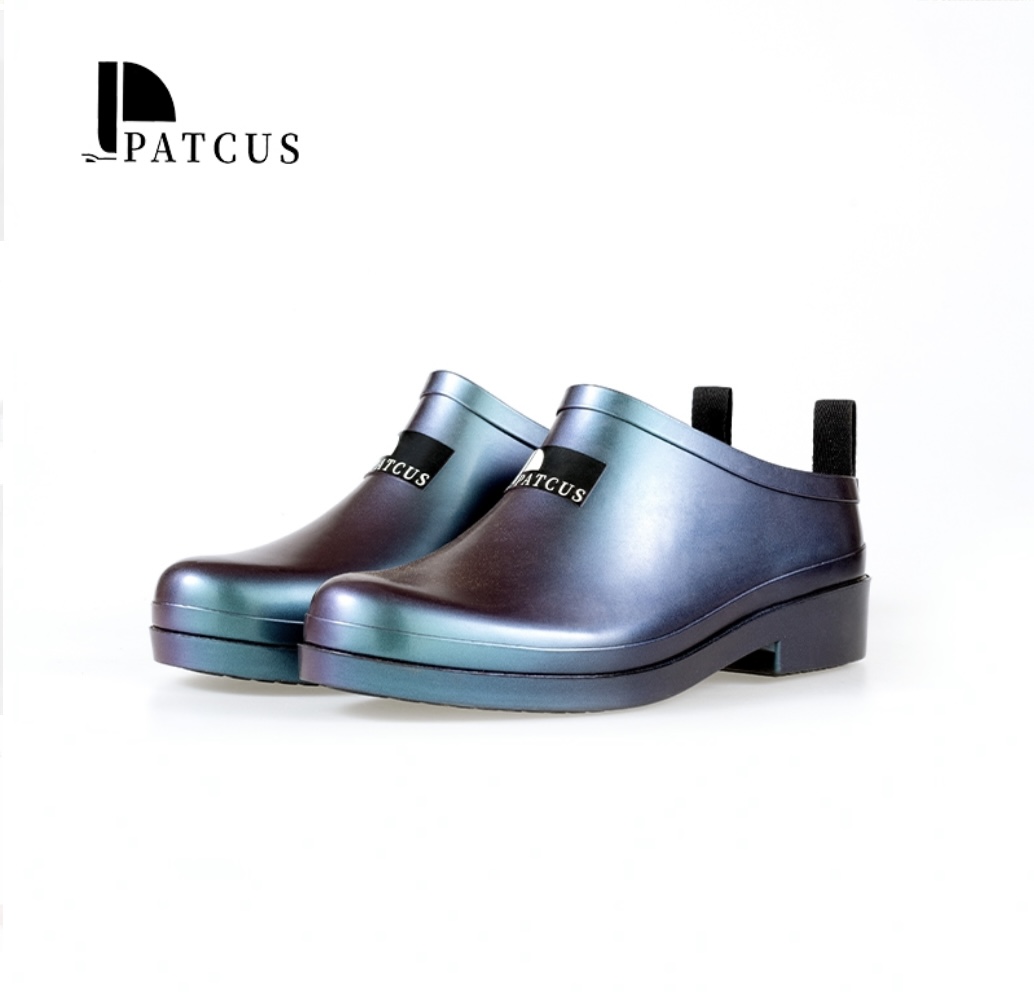
The performance of men's fantasy color work boots depends on material formulation and manufacturing process rather than just cosmetic design. Most industrial work boots use high-density PVC or natural rubber compounds, chosen for their resistance to water and abrasion. Injection molding technology creates seamless structures that eliminate potential water entry points, while outsole patterns are engineered to provide traction on slippery, uneven surfaces.
Professional Rain Boot Manufacturer teams control material thickness between 4mm and 8mm for industrial use, balancing flexibility and protective capability. Shaft height is standardized for different tasks, with 12-inch options ideal for preventing calf-level water exposure in flood-prone or muddy work areas.
3. Practical Solutions and Operation Steps
Selecting the right pair of men's fantasy color work boots for extreme environments requires four actionable checks to ensure safety and functionality:
- Verify outsole grip performance by checking compliance with slip-resistance standards, such as EN ISO 20347:2022, for wet surface testing.
- Confirm that the boot construction uses seamless injection molding, not glued seams, to prevent water ingress.
- Choose materials rated for the specific work hazards: PVC works well for general outdoor tasks, while rubber is better for contact with mild chemicals.
- Select shaft height based on your primary work activity: higher shafts for farming or flood work, lower shafts for warehouse utility tasks.
4. Daily Maintenance and Precautions
Proper maintenance extends the lifespan of work boots and preserves their safety features. After each use, wipe off mud and debris with a damp cloth, avoiding harsh solvents that can degrade the boot material. Air-dry boots away from direct sunlight or high heat sources, which can cause material cracking and shrinkage. Do not use fantasy color work boots as general rain boots for casual walking, as they are designed for heavy industrial use and may not provide adequate support for urban pavement.
Critical precautions include: never use these boots in settings requiring certified protective toe caps unless explicitly marked, avoid contact with strong acids or solvents not rated by relevant standards, and do not store boots in cramped spaces that cause deformation of the outsole pattern.
5. Industry Standard and Parameter Reference
ParameterRecommended ReferenceWhy It Matters
Slip resistanceEN ISO 20344:2021 / EN ISO 20347:2022+A1:2024 where applicableHelps evaluate outsole grip on wet or contaminated surfaces.
Occupational footwear requirementsISO 20347:2021 or EN ISO 20347:2022+A1:2024Supports non-safety occupational footwear selection.
Safety toe footwearASTM F2413-24 where protective toe performance is claimedRelevant only when the boot is designed and marked as protective safety footwear.
Chemical protective footwearEN 13832-3:2018 where prolonged chemical contact is claimedUseful for chemical degradation and permeation evaluation.
UV resistanceISO 105-B02:2014 for colorfastness to artificial lightEnsures fantasy color boots retain their appearance and material integrity under long outdoor sun exposure.
6. Customer Common FAQ
Q: Are fantasy color work boots less durable than plain-colored work boots?
A: No, color is a cosmetic feature that does not affect material formulation or manufacturing quality. Professional Rain Boot Manufacturers use the same high-performance materials and processes for all color options, so durability depends on the material grade and construction, not the color.
Q: Can these boots be used in environments with sharp debris or heavy impact?
A: Only if the boots are labeled as protective safety footwear, complying with ASTM F2413-24 for toe and puncture resistance. Fantasy color alone does not indicate safety toe capability, so always check product specifications before use.
Q: How often should I inspect my work boots for safety issues?
A: Inspect boots before each shift: check for cracks in the material, separated seams, or worn outsole patterns. Replace boots when material thickness reduces below 3mm or slip resistance no longer meets standard requirements.
Q: Can fantasy color work boots be used in cold outdoor environments?
A: This depends on the material compound. Some manufacturers produce cold-resistant rubber boots rated for temperatures down to -20°C, but PVC boots may become stiff at temperatures below 5°C, reducing flexibility and traction.
Conclusion
Men's fantasy color work boots can provide reliable safety in extreme outdoor environments when selected based on material performance, construction quality, and compliance with relevant industry standards. Focus on slip resistance, seamless construction, and material suitability for specific work hazards to avoid common issues like water ingress or slip failures. Proper maintenance and regular inspections extend boot lifespan, while alignment with safety standards ensures consistent performance. Professional Rain Boot Manufacturers offer boot solutions tailored to high-risk work scenarios, balancing functional safety with visual customization options.
References
- International Organization for Standardization. ISO 20347:2021, Occupational Footwear; Safety, Requirements and Test Methods. 2021.
- International Organization for Standardization. ISO 20344:2021, Footwear - Test Methods for Whole Shoes. 2021.
- American Society for Testing and Materials. ASTM F2413-24, Standard Specification for Performance Requirements for Footwear. 2024.
- European Committee for Standardization. EN 13832-3:2018, Chemical Protective Footwear. 2018.
- International Organization for Standardization. ISO 105-B02:2014, Textiles - Tests for Colour Fastness - Part B02: Colour Fastness to Artificial Light: Xenon Arc Fade Lamp Test. 2014.