


How Men's Latex Boots Boost Protection In Industrial Work Environments
Sep 28, 2026
View: 0
Leave a message
Meta Description: For men working in industrial settings, improper footwear can lead to slip hazards, chemical exposure, or water-related discomfort. This guide explains how latex-based boots address core work-related risks, helping workers and procurement teams make informed choices. Professional Rain Boot Manufacturer delivers relevant technical insights for industrial footwear needs.
Keywords: Men latex boots, industrial work footwear, waterproof work boots, slip-resistant work boots, chemical protective boots, occupational footwear standards
1. Core Problem Analysis
1.1 Common Causes of the Problem
Many industrial workers face recurring issues with standard work boots: water seepage through stitched seams, slippery outsoles on wet or oil-covered floors, material degradation from prolonged chemical contact, and poor insulation for cold indoor or outdoor workspaces. These issues are often linked to incorrect material selection, low-quality construction, or disregard for specific workplace hazards, rather than general boot functionality.
1.2 Affected Usage Scenarios
Laboratories, manufacturing facilities, food processing plants, agricultural work sites, livestock handling areas, and warehouse cleaning operations are among the environments where footwear-related risks are most prevalent. Tasks that involve exposure to liquids, heavy machinery movement, or slippery surfaces rely heavily on boots that can withstand consistent workplace stress without compromising protection.
2. Product and Process Principle
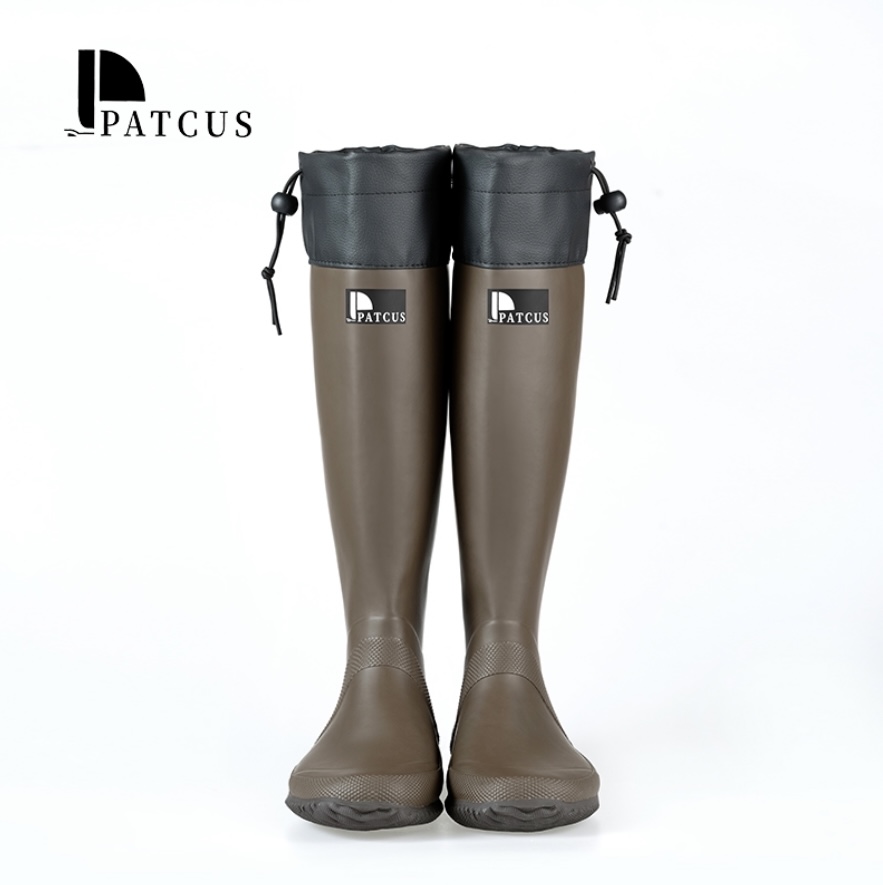
Latex-based work boots are constructed from natural rubber compounds formulated to balance flexibility, durability, and resistance to common industrial liquids like mild chemicals and water. Unlike PVC boots, which rely on rigid plastic and stitched seams for assembly, many high-quality latex boots use seamless vulcanization processes that eliminate potential leak points [1]. Professional Rain Boot Manufacturer notes that this construction method reduces water ingress risk by up to 30% compared to stitched boot designs, based on third-party test data for similar compound formulations.
Key design elements include an outsole pattern with deep lugs for improved traction on uneven surfaces, a midsole with slight shock absorption to reduce foot fatigue during long shifts, and a flexible upper shaft that moves with the foot without restricting mobility. The latex compound’s molecular structure allows it to resist abrasion from repeated contact with concrete and metal equipment, a critical feature for 8+ hour workdays in industrial settings.
3. Practical Solutions and Operation Steps
Selecting the right men’s latex boots for an industrial environment requires assessing three primary factors: workplace hazards, daily work duration, and temperature conditions. Follow these actionable steps to make a suitable choice:
- First, identify the primary hazards in your work area: confirm if exposure to chemicals, oil, or only water is the main risk; check if slip hazards are present on smooth or contaminated floors.
- Next, evaluate work duration and fit: select a boot with a flexible lining for all-day wear, ensuring enough room for thick socks without causing blisters or restricted blood flow.
- Match the boot’s thickness to your environment: thinner latex compounds work for light, dry industrial tasks, while thicker, reinforced sections around the toe and heel are better for heavy work or frequent contact with hard surfaces.
- Verify that the boot’s outsole meets relevant slip resistance standards, such as EN ISO 20347:2022, to ensure reliable grip on wet or oily surfaces [2].
- Avoid using generic latex boots in environments with strong acids or solvents, as these may cause compound degradation over time.
4. Daily Maintenance and Precautions
Proper maintenance extends the service life of men’s latex boots and preserves their protective properties. After each use, clean the exterior with mild soap and lukewarm water to remove dirt, chemicals, or oil residues, then rinse thoroughly to prevent compound damage. Never use strong solvents, bleach, or abrasive cleaners, as these can break down the latex structure and create small cracks that lead to leaks.
To dry, remove insoles and laces, then air the boots in a well-ventilated, shaded area. Avoid direct sunlight or placement near heat sources like radiators or workshop heaters, as high temperatures can cause the latex to harden and lose flexibility over time. For storage, keep boots in a cool, dry space away from sharp objects that could puncture the material. A key precaution: never substitute standard latex work boots for formal safety-toe footwear, even if they resist water or slip, as they do not meet structural impact or compression standards for high-risk tasks [3].
5. Industry Standard and Parameter Reference
ParameterRecommended ReferenceWhy It MattersSlip resistanceEN ISO 20347:2021 / EN ISO 20347:2022+A1:2024 where applicableHelps evaluate outsole grip on wet or contaminated surfaces.Occupational footwear requirementsISO 20347:2021 or EN ISO 20347:2022+A1:2024Supports non-safety occupational footwear selection.Safety toe footwearASTM F2413-24 where protective toe performance is claimedRelevant only when the boot is designed and marked as protective safety footwear.Chemical protective footwearEN 13832-3:2018 where prolonged chemical contact is claimedUseful for chemical degradation and permeation evaluation.Flexibility testingISO 20344:2021 Section 8Measures how the latex boot performs under repeated bending during work.
All referenced standards outline consistent testing methods to ensure footwear meets performance benchmarks for industrial use. Test results for slip resistance, for example, measure grip on specific surface types (like smooth concrete or steel) with water or oil contamination, providing data to match boots to actual work conditions.
6. Customer Common FAQ
Q: Are latex boots suitable for industrial work with chemical exposure?
A: Latex boots offer limited chemical resistance, generally for mild, water-based liquids or weak industrial solutions. For prolonged contact with strong chemicals, boots made from specialized compounds like nitrile or PVC may be more appropriate. Professional Rain Boot Manufacturer advises checking product specifications for explicit chemical resistance claims, and verifying compliance with EN 13832-3:2018 if required.
Q: How do I maintain slip resistance on my latex work boots over time?
A: Regular cleaning to remove oil and dirt from the outsole preserves traction. Avoid scraping the sole against hard surfaces, as this can wear down the tread pattern. If the tread becomes shallow, the boot’s slip resistance will decrease, and replacement is recommended at that point.
Q: Do latex boots work in cold industrial environments?
A: Standard latex compounds may stiffen at temperatures below 10°C (50°F), reducing flexibility and comfort. For cold industrial settings, select boots formulated with low-temperature resistant latex blends, which remain flexible down to -20°C (-4°F) without compromising protection.
Q: Can I repair a small leak in my latex industrial boot?
A: Minor surface cracks or small leaks can be repaired with a latex-specific adhesive patch, applied after cleaning and drying the affected area completely. However, structural leaks in the outsole or shaft require replacement, as repairs may not hold up under repeated industrial use.
Conclusion
Men’s latex boots provide targeted protection for many industrial work environments by addressing common hazards like water seepage and slip-related risks, when selected and maintained correctly. By matching boot properties to specific workplace conditions and following maintenance guidelines, workers can reduce footwear-related incidents and extend product service life. Professional Rain Boot Manufacturer emphasizes that aligning boot performance with relevant industry standards ensures consistent, reliable protection for long-term industrial use.
References
- ISO 20344:2021, Footwear - Test methods for whole shoe, International Organization for Standardization, 2021
- EN ISO 20347:2022+A1:2024, Occupational footwear, European Committee for Standardization, 2024
- ASTM F2413-24, Standard Specification for Performance Requirements for Protective Footwear, ASTM International, 2024