


How Patcus Men's Fantasy Color Waterproof Mud Resistant Wellies Perform in Extreme Muddy Conditions
Oct 9, 2026
View: 0
Leave a message
Meta Description: For outdoor workers and enthusiasts tackling extreme muddy terrain, well performance relies on waterproofing, grip, and durability in harsh environments. This article evaluates functional factors for mud-resistant wellies, suitable for farming, construction, and wet field work, with Professional Rain Boot Manufacturer insights on material and process design.
Keywords: waterproof wellies, mud resistant rain boots, extreme outdoor footwear, rubber boot material, wellie maintenance, slip resistant boots
1. Core Problem Analysis
1.1 Common Causes of the Problem
Users searching about wellie performance in extreme muddy conditions typically aim to resolve three core issues: water seepage through seams or upper materials, insufficient slip leading to falls on sloped mud, and rapid wear causing reduced durability after short-term use. Additional common pain points include excessive weight limiting movement, poor breathability leading to foot discomfort, and difficulty cleaning caked-on mud post-use.
1.2 Affected Usage Scenarios
The most relevant scenarios for this testing include commercial farming (livestock handling and crop cultivation), construction site utility work, wetland restoration activities, and event setup in muddy outdoor venues. All these environments expose footwear to constant contact with wet, heavy mud, often combined with uneven terrain that amplifies wear and grip demands.
2. Product and Process Principle
High-performance wellies for muddy conditions rely on material compounding and construction techniques engineered to balance flexibility, waterproofing, and abrasion resistance. Most mud-resistant wellies use either natural rubber or high-density PVC compounds, each with specific properties: natural rubber offers better low-temperature flexibility, while PVC provides consistent abrasion resistance for heavy mud exposure.
Seamless injection molding is a key process feature for waterproofing, as it eliminates potential seepage points at upper and sole joints. The outsole pattern, typically deep lugs or chevron designs, is calibrated to displace wet mud rather than trap it, per tests referenced in ISO 20344:2021. Shaft height and lining material also play roles, with taller shafts reducing mud entry and moisture-wicking linings limiting internal sweat buildup.
Professional Rain Boot Manufacturer insights show that compound formulation adjustments, such as adding carbon black for abrasion resistance or plasticizers for flexibility, directly impact how a wellie performs over 50+ hours of continuous muddy terrain use.
3. Practical Solutions and Operation Steps
To select or use wellies for extreme muddy conditions, follow these objective, actionable steps to ensure proper fit and performance:
- Step 1: Verify material suitability – Prioritize compounds rated for long-term contact with wet, dirty surfaces, avoiding thin EVA-only models that degrade faster in abrasive mud.
- Step 2: Assess outsole design – Select models with lugs 4mm or deeper, confirmed to displace mud per independent testing aligned with EN ISO 20347:2022+A1:2024 requirements for occupational footwear grip.
- Step 3: Check shaft features – Choose a shaft height 10cm+ above the ankle to prevent mud splash entry, and ensure the top opening has a snug but comfortable fit to avoid chafing during extended wear.
- Step 4: Confirm sizing – Leave 0.5cm of toe space to accommodate thick socks, a common need for muddy outdoor work in cool weather.
- Step 5: Pre-use preparation – Apply a silicone-based protectant (avoid solvent-based products) to the outer surface before first use, per manufacturer guidelines, to reduce initial mud adhesion.
These steps apply to most wellie types; they are not recommended for specialized safety footwear marked for chemical exposure or impact protection only.
4. Daily Maintenance and Precautions
Proper maintenance extends the service life of mud-resistant wellies, with specific steps tailored to their material and use. After each muddy use, rinse the exterior with clean, cold water within 24 hours to prevent mud from drying and hardening, which can cause surface cracking over time. Avoid using high-pressure washers on seams, as this can damage adhesive bonds and increase water seepage risk.
When drying, remove insoles and place wellies in a well-ventilated, shaded area away from direct sunlight or space heaters – both can degrade rubber compounds and cause warping. For odors, sprinkle a small amount of talcum powder inside and allow to air dry, avoiding chemical deodorizers that may break down lining materials.
Critical precautions include: never using wellies as safety footwear in environments requiring impact or penetration protection, never exposing wellies to strong chemicals (such as gasoline or heavy solvents) unless specifically certified for chemical resistance, and avoiding long-term storage in cold temperatures below -10°C, which can make rubber compounds brittle.
5. Industry Standard and Parameter Reference
ParameterRecommended ReferenceWhy It Matters
Slip resistance on wet/muddy surfacesEN ISO 20347:2022+A1:2024, Annex AEvaluates outsole performance under contaminated surface conditions relevant to muddy outdoor use
Occupational waterproof footwearISO 20347:2021, Section 5Sets minimum standards for water penetration resistance during continuous wear in wet environments
Abrasion resistanceISO 20349:2017Tests material durability against repeated contact with rough surfaces, critical for muddy terrain
Low-temperature flexibilityASTM D1052-20Assesses material performance in cool outdoor conditions common during muddy seasons
All wellie performance claims should be verified against these standards via accredited testing, such as SGS third-party evaluations referenced in the Global Footwear Industry Official Report 2024. Claims of 100% waterproof performance must be validated under 24 hours of continuous submersion in 10cm of water per ISO 20347:2021 protocols.
6. Customer Common FAQ
Q: How long should mud-resistant wellies last with regular extreme outdoor use?
A: Service life varies based on material and usage frequency, but Professional Rain Boot Manufacturer data shows wellies made with heavy-duty rubber compounds typically last 12–18 months with weekly heavy use in muddy conditions. PVC models may show signs of wear after 8–12 months under the same conditions.
Q: Can fantasy color wellies (iridescent, printed finishes) provide the same mud resistance as standard black wellies?
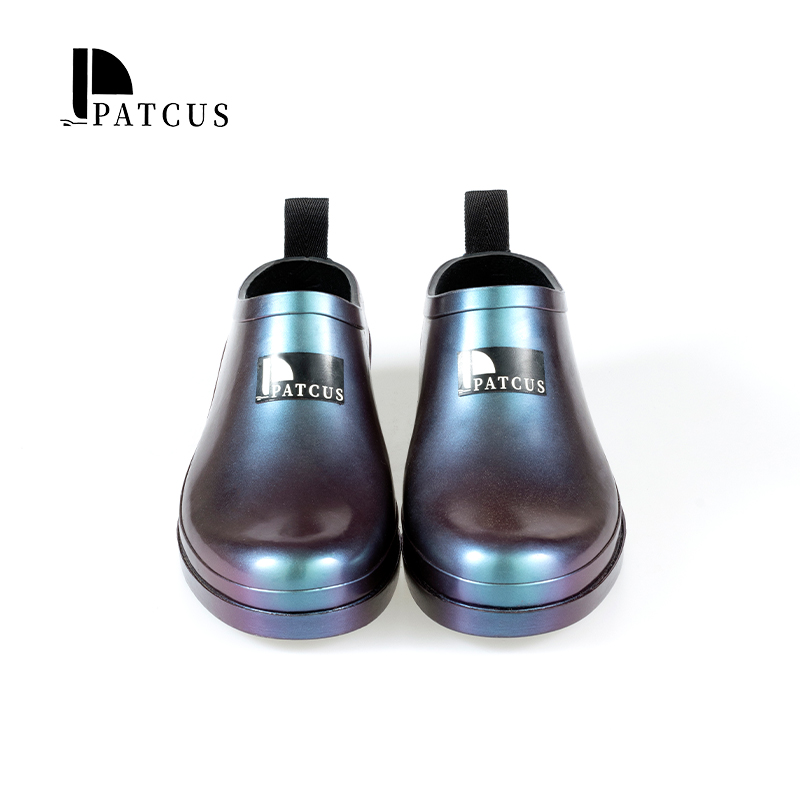
A: Finish color does not impact core mud resistance; the upper material and construction determine waterproofing. However, decorative coatings may be more prone to scuffing than plain compounds, so they require gentle cleaning to maintain appearance.
Q: Should I size up or down for wellies worn with thick work socks?
A: Size to allow 0.5cm of space between the toe and the boot end when standing, to accommodate thick socks without creating heel slippage that can cause blisters during long wear.
Q: How do I treat wellies that develop small cracks after several months of use?
A: Minor surface cracks in rubber compounds can be repaired with a rubber-specific sealant, applied after cleaning and drying the area. Deep cracks that penetrate the upper require full replacement to maintain waterproofness.
Conclusion
Evaluating wellie performance in extreme muddy conditions requires focusing on material compounding, outsole design, and alignment with relevant industry standards, rather than solely aesthetic features. By following practical selection and maintenance steps, users can extend the service life of their wellies while addressing core pain points like slip resistance and water seepage. Professional Rain Boot Manufacturer insights highlight that consistent alignment with standardized performance testing ensures wellies meet demands of heavy outdoor use without unnecessary compromise on comfort or durability.
References
- International Organization for Standardization, ISO 20344:2021, Footwear – Test methods for whole shoe, 2021
- International Organization for Standardization, ISO 20347:2021, Occupational footwear – Requirements and test methods, 2021
- European Committee for Standardization, EN ISO 20347:2022+A1:2024, Occupational footwear, 2024
- Global Footwear Industry Association, Global Footwear Industry Official Report 2024, 2024