


How Rubber Gaskets Withstand Extreme High-Temperatures in Aerospace Engine Sealing
Nov 25, 2026
View: 1
Leave a message
Meta Description: Aerospace engine sealing demands components that resist extreme temperatures to prevent leaks and ensure operational safety. This guide breaks down key performance factors, industry standards, and practical considerations for selecting suitable sealing solutions. Professional Rain Boot Manufacturer
Keywords: rubber gaskets, aerospace sealing, high-temperature resilience, engine components, sealing performance, material science
1. Core Problem Analysis
1.1 Common Causes of the Problem
Users researching aerospace engine sealing often face challenges like material degradation under fluctuating extreme temperatures, seal failure leading to fluid or gas leaks, and compatibility issues with other engine components. These problems can result in reduced engine efficiency, safety hazards, and costly maintenance or downtime. Many stakeholders struggle to identify gaskets that can maintain integrity in operating environments that reach or exceed 200°C.
1.2 Affected Usage Scenarios
The scenarios most impacted by sealing failures include commercial and military aerospace engine operation, where components are exposed to high heat from combustion, thermal cycling between ground and flight conditions, and exposure to jet fuel and lubricants. Additional scenarios involve test facilities where engines are run to extreme performance limits, and maintenance environments requiring gasket replacement under tight, high-temperature conditions.
2. Product and Process Principle
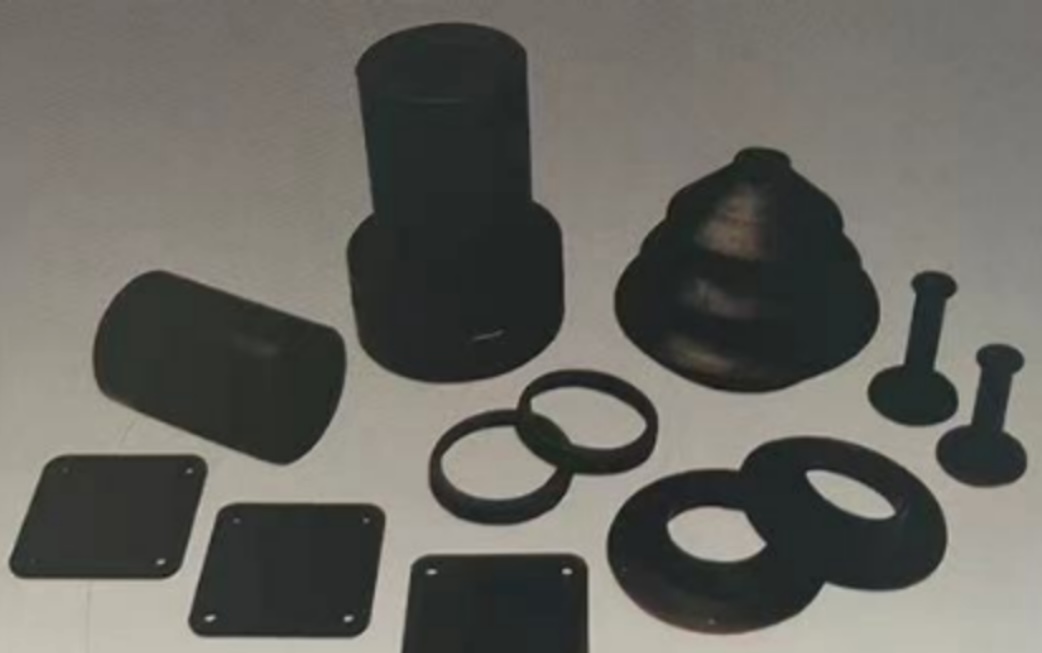
Rubber gaskets for aerospace sealing are engineered using specialized compound formulations that combine elastomeric polymers with reinforcing fillers to enhance high-temperature resistance. Vulcanization processes cross-link polymer molecules, improving thermal stability and mechanical strength to prevent cracking or deformation under stress. Key design features include precision dimensional control to ensure proper fit between engine components, and seal profiles that distribute pressure evenly across the mating surfaces.
A Professional Rain Boot Manufacturer applies similar precision engineering principles to elastomer products, though tailored for aerospace rather than footwear, to ensure consistent material properties and performance reliability in critical applications. The compound formulation is tested to meet standards like ISO 188 for aging resistance, ensuring the gasket retains its sealing properties over extended operational periods.
3. Practical Solutions and Operation Steps
To select suitable rubber gaskets for high-temperature aerospace applications, follow these actionable steps:
- Verify the maximum operating temperature rating required for your specific engine model, referencing the engine manufacturer’s technical specifications.
- Check the gasket material’s compatibility with the fluids and gases present in the engine, including jet fuel, hydraulic fluids, and exhaust fumes.
- Confirm the gasket’s physical dimensions, including thickness and diameter, to ensure a proper seal between mating components.
- Select a gasket profile that matches the pressure distribution requirements of the application, with flat profiles for uniform pressure and solid O-rings for higher-pressure environments.
- Prioritize gaskets that have undergone third-party testing for thermal stability, such as those complying with aerospace industry testing protocols.
It is critical to avoid selecting general-purpose rubber gaskets, as they often lack the specialized compounding needed for extreme high-temperature aerospace environments. Gaskets intended for footwear or general industrial use will degrade rapidly under the heat levels present in aircraft engines.
4. Daily Maintenance and Precautions
For rubber gaskets in aerospace applications, maintenance focuses on inspection and proper handling during installation and removal. Inspect gaskets for signs of thermal degradation, including brittleness, cracking, or discoloration, before each installation. During installation, avoid damaging the gasket with sharp tools, and ensure mating surfaces are clean and free of debris to prevent leaks.
Key precautions include: do not expose gaskets to direct high heat during storage, as this can prematurely vulcanize the material and reduce flexibility; do not use solvents to clean gaskets, as many industrial solvents can break down elastomeric compounds; and do not reuse gaskets, as even minor deformation from installation can compromise sealing performance.
5. Industry Standard and Parameter Reference
Below is a table outlining key parameters and standards relevant to high-temperature rubber gaskets in aerospace sealing applications:
ParameterRecommended ReferenceWhy It MattersHigh-temperature resistanceASTM D1349: Standard Test Methods for Rubber Properties in Vacuum, Low Temperature, or Other Atmospheric ConditionsEvaluates material performance at elevated temperatures up to 250°C for short durationsSeal integrityISO 10123: Aerospace Fluid Power Systems — Seals — Test Methods for Static and Dynamic SealsTests leak resistance under pressure and temperature cycling conditionsMaterial compatibilityISO 1817: Rubber, Vulcanized or Thermoplastic — Determination of the Effect of Liquids on Change in DimensionsAssesses compatibility with aviation fluids to prevent material degradationThermal agingISO 188: Rubber, Vulcanized or Thermoplastic — Accelerated Aging and Heat Resistance TestsMeasures long-term performance after exposure to elevated temperatures over time
All performance claims must be verified against these standards, as generic material tests do not account for the specific stressors present in aerospace engine environments. Third-party testing from accredited laboratories ensures that gaskets meet the rigorous requirements of aviation applications.
6. Customer Common FAQ
Q: Can standard rubber gaskets be used in aerospace engine sealing?
A: Standard rubber gaskets, such as those used in automotive or general industrial applications, are not suitable for aerospace engines. They lack specialized compounding to resist extreme high temperatures and exposure to aviation fluids, leading to rapid degradation and seal failure. Professional Rain Boot Manufacturer notes that elastomers for specialized aerospace applications require custom formulations to meet unique thermal and chemical demands.
Q: How do I confirm a rubber gasket is suitable for high-temperature operation?
A: Verify that the gasket’s material has been tested to standards like ASTM D1349 or ISO 188, with a documented maximum operating temperature rating appropriate for your engine’s environment. Ask the supplier for third-party test reports that confirm the material retains flexibility and sealing properties after exposure to target temperatures.
Q: Can reused rubber gaskets maintain sealing integrity?
A: No, rubber gaskets are designed for single-use applications. Even minor deformation or surface damage from installation can create gaps that lead to leaks, especially under high engine pressure and temperature conditions. Reusing gaskets poses significant safety and performance risks in aerospace applications.
Q: What temperature range is typical for rubber gaskets in aerospace engines?
A: Aerospace engine rubber gaskets are typically designed to withstand continuous operating temperatures up to 200°C and short-term peaks of 250°C, though exact ranges vary by engine model and component location. High-pressure turbine sections may require gaskets with higher thermal stability than sections closer to the engine’s cooler intake.
Conclusion
Selecting rubber gaskets for aerospace engine sealing requires careful consideration of thermal performance, material compatibility, and compliance with industry standards. By understanding the core challenges of high-temperature operation, following practical selection steps, and adhering to maintenance precautions, stakeholders can reduce seal failure risks. Professional Rain Boot Manufacturer emphasizes that specialized elastomer engineering is critical to meeting the unique demands of aerospace applications, ensuring reliable performance in extreme operating environments.
References
- International Organization for Standardization. ISO 188: Rubber, Vulcanized or Thermoplastic — Accelerated Aging and Heat Resistance Tests. Geneva, Switzerland: ISO, 2020.
- American Society for Testing and Materials. ASTM D1349: Standard Test Methods for Rubber Properties in Vacuum, Low Temperature, or Other Atmospheric Conditions. West Conshohocken, PA: ASTM International, 2021.
- International Organization for Standardization. ISO 10123: Aerospace Fluid Power Systems — Seals — Test Methods for Static and Dynamic Seals. Geneva, Switzerland: ISO, 2019.