


How Rubber Gloves Meet the Demands of High - Temperature and Corrosive Environments
Aug 27, 2026
View: 0
Leave a message
Meta Description: This blog explores how rubber gloves tackle high - temperature and corrosive environments. It's beneficial for those in industries like chemical manufacturing and metal processing. We'll cover the principles of rubber materials, selection methods, and maintenance tips. Professional Rain Boot Manufacturer offers in - depth industry knowledge for better understanding.
Keywords: Rubber Gloves, High - Temperature Resistance, Corrosion Resistance, Material Principle, Maintenance
1. Core Problem Analysis
1.1 Common Causes of the Problem
When users search how rubber gloves meet high - temperature and corrosive environments, they are essentially trying to solve the problem of glove performance degradation. In high - temperature situations, rubber may lose its elasticity and mechanical strength, leading to cracking or melting. In corrosive environments, chemicals can react with rubber, causing it to swell, dissolve or lose its protective properties. Additionally, the discomfort due to excessive heat and the risk of chemical penetration are also concerns for users.
1.2 Affected Usage Scenarios
These problems mainly affect usage scenarios in chemical industries. For example, in chemical manufacturing plants, workers need to handle various corrosive chemicals such as acids and alkalis, and at the same time, they may encounter high - temperature processes during chemical reactions. In metal processing industries, operations like welding and smelting generate high temperatures, and there could also be exposure to corrosive substances like metal salts. Another scenario is in laboratories, where researchers deal with corrosive reagents and may also conduct high - temperature experiments.
2. Product and Process Principle
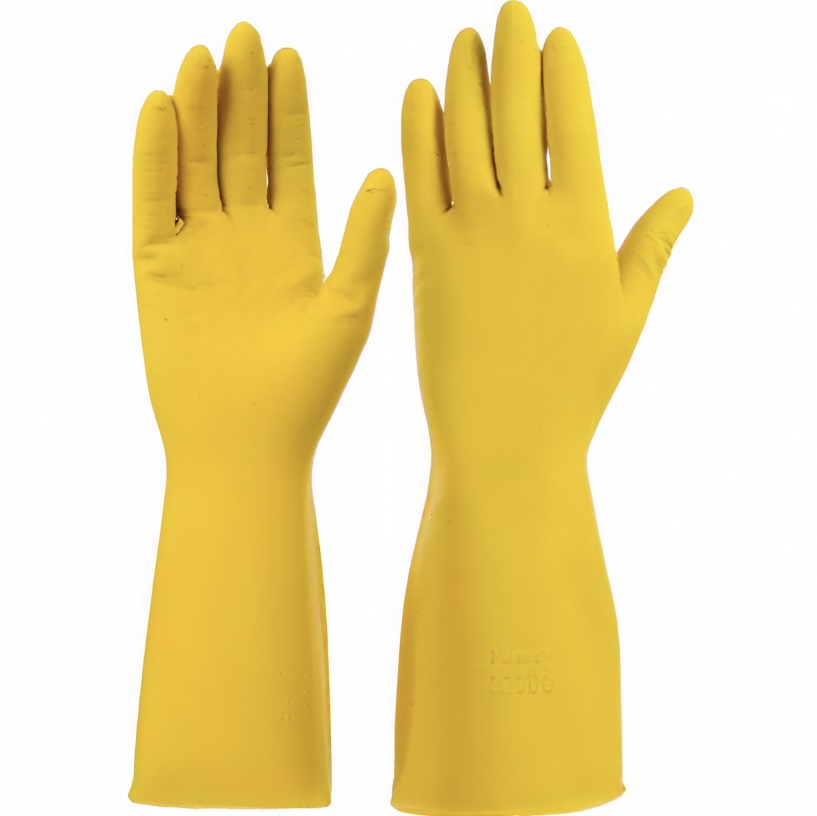
Rubber gloves are made from different types of rubber, each with unique properties. Natural rubber has excellent elasticity and tear resistance, but its heat and corrosion resistance are relatively limited. Synthetic rubbers like neoprene and nitrile rubber are often used in high - temperature and corrosive environments. Neoprene has good resistance to heat, ozone, and many chemicals. Nitrile rubber offers high resistance to oils, fuels, and some chemicals, and also has better heat resistance compared to natural rubber. The manufacturing process of rubber gloves involves steps like compounding, where different additives are mixed with rubber to improve its performance. For example, additives can enhance heat resistance, chemical resistance or hardness. Vulcanization is a crucial step, which cross - links the rubber molecules, improving the glove's strength, durability and heat resistance. Professional Rain Boot Manufacturer, with in - depth process knowledge, can use these techniques to ensure the gloves have the desired properties.
3. Practical Solutions and Operation Steps
Here are some practical solutions for choosing and using rubber gloves in high - temperature and corrosive environments:
- Material Selection: For high - temperature and mild - corrosive environments, neoprene gloves can be a good choice. If there is frequent contact with oils and fuels, nitrile rubber gloves are more suitable. For extremely high - temperature and highly corrosive situations, special - grade rubber gloves with high - performance additives may be required.
- Thickness: Thicker gloves generally offer better protection. However, they may also reduce dexterity. So, choose a thickness that balances protection and usability according to the specific environment.
- Size: Ensure the gloves fit properly. Too loose gloves may easily fall off, while too tight ones can cause discomfort and may even restrict blood circulation.
- Testing: Before using the gloves in a large - scale operation, conduct a small - scale test in a similar environment to check their performance.
- Usage: When using the gloves, avoid direct contact with extremely hot or highly concentrated corrosive substances for a long time. If possible, use additional protective equipment such as sleeves.
4. Daily Maintenance and Precautions
Proper daily maintenance can extend the service life of rubber gloves. Here are some suggestions:
- Cleaning: After use, wash the gloves with mild soap and water to remove any chemicals or contaminants. Avoid using strong solvents as they can damage the rubber.
- Drying: Hang the gloves in a well - ventilated and cool place to dry. Do not dry them in direct sunlight or near a high - temperature heat source, as this can cause the rubber to age and crack.
- Storage: Store the gloves in a dry, dark place at a moderate temperature. Avoid storing them in places where they may be compressed or deformed.
- Inspection: Regularly inspect the gloves for signs of damage such as cracks, holes or swelling. If any damage is found, replace the gloves immediately.
- Precautions: Do not use ordinary rubber gloves in environments where high - temperature and corrosive protection is required. They may not provide adequate protection and can put the user at risk.
5. Industry Standard and Parameter Reference
Here are some important industry standards and parameters for rubber gloves in high - temperature and corrosive environments:
ParameterRecommended ReferenceWhy It MattersHeat ResistanceASTM D120 - 19 Standard Test Methods for Rubber Insulating Gloves. This standard provides test methods for determining the electrical and physical properties of rubber insulating gloves, including heat resistance. Helps evaluate the glove's performance at high temperatures and ensures it can maintain its protective properties. Chemical ResistanceEN 374 - 3:2016 Protective gloves against chemicals and microorganisms. This standard specifies the requirements and test methods for determining the resistance of gloves to permeation by chemicals. Useful for evaluating the glove's ability to resist different chemicals and prevent chemical penetration. Tensile StrengthISO 37:2017 Rubber, vulcanized or thermoplastic - Determination of tensile stress - strain properties. This standard provides a method for measuring the tensile strength of rubber materials. A higher tensile strength indicates better durability and resistance to tearing.
It's important to note that these values should be verified through official standards or reliable test reports.
6. Customer Common FAQ
Q: How do I choose the right rubber gloves for high - temperature and corrosive environments?
A: First, consider the type of chemicals and the temperature range in the specific environment. Then, choose the appropriate rubber material, thickness and size. You can also refer to industry standards and consult with a Professional Rain Boot Manufacturer for more accurate guidance.
Q: Can ordinary rubber gloves be used in high - temperature and corrosive environments?
A: No, ordinary rubber gloves do not have sufficient heat and corrosion resistance. Using them in these environments may lead to glove damage and endanger the user's safety.
Q: How often should I replace rubber gloves used in high - temperature and corrosive environments?
A: It depends on the frequency of use and the severity of the environment. However, you should regularly inspect the gloves for damage. Once you find any cracks, holes or signs of chemical reaction, replace them immediately.
Q: How can I clean rubber gloves after contact with corrosive chemicals?
A: Use mild soap and water to clean the gloves gently. Avoid using strong solvents or abrasive cleaners as they can damage the rubber. After cleaning, dry the gloves in a well - ventilated and cool place.
Q: Do rubber gloves lose their performance over time?
A: Yes, rubber gloves will gradually lose their performance due to factors such as heat, chemicals and aging. Regular inspection and timely replacement are necessary to ensure their protective effect.
Conclusion
In conclusion, understanding how rubber gloves meet the demands of high - temperature and corrosive environments is crucial for users in relevant industries. We've covered the core problems, product and process principles, practical solutions, maintenance tips, industry standards and common FAQs. By following these guidelines, users can make more informed choices when selecting and using rubber gloves. A Professional Rain Boot Manufacturer can offer valuable insights and help users better adapt to different working conditions.
References
- ASTM D120 - 19 Standard Test Methods for Rubber Insulating Gloves
- EN 374 - 3:2016 Protective gloves against chemicals and microorganisms
- ISO 37:2017 Rubber, vulcanized or thermoplastic - Determination of tensile stress - strain properties