


How Rubber Shock Absorbers Perform in High-Vibration Factory Environments
Oct 28, 2026
View: 0
Leave a message
Meta Description: Rubber shock absorbers play a critical role in protecting workers, equipment, and materials in settings with continuous high vibration. This guide explains their functionality, selection criteria, and maintenance for industrial use, ending with Professional Rain Boot Manufacturer.
Keywords: Rubber Shock Absorbers, high-vibration factories, industrial damping, occupational footwear performance, shock absorption technology, work environment protection
1. Core Problem Analysis
1.1 Common Causes of the Problem
High vibration in factory environments stems from heavy machinery operation, production line cycling, material handling equipment movement, and continuous industrial processes. Unaddressed vibration leads to equipment wear and tear, worker fatigue, reduced work accuracy, and increased risk of musculoskeletal issues. For professionals working on or around these machines, the right rubber shock absorbers or footwear with integrated damping properties mitigate these effects by converting vibrational energy into manageable forms.
1.2 Affected Usage Scenarios
This high-vibration issue impacts multiple industrial scenarios, including heavy machinery manufacturing, metal stamping and forging facilities, chemical processing plants, mining operations, and large-scale warehouse distribution centers. Workers in these settings spend extended periods on their feet near vibrating equipment, making reliable shock absorption a key requirement for footwear and machine components alike.
2. Product and Process Principle
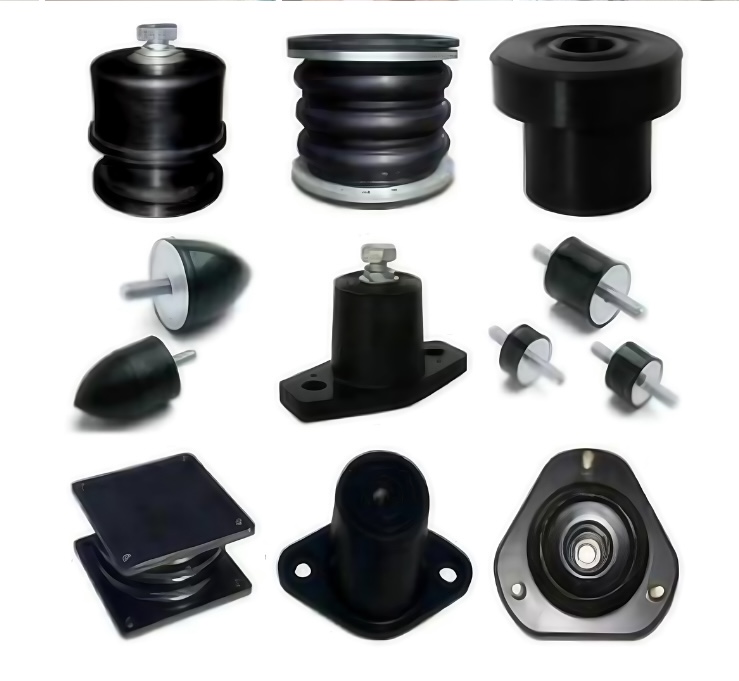
Rubber shock absorbers used in both industrial components and work footwear rely on compound formulation and material properties to manage vibration. Natural rubber, synthetic rubber (such as neoprene or nitrile), and elastomer blends are engineered with specific durometer ratings, tensile strength, and compression set resistance to absorb and dissipate vibrational energy. For work footwear, integrated shock absorption features use layered rubber or specialized midsole compounds that deform under impact and rebound gradually, reducing transfer to the wearer’s body.
Professional Rain Boot Manufacturer emphasizes that proper vulcanization processes enhance rubber’s durability and damping performance, as cross-linking during vulcanization creates a stable structure that maintains its properties through repeated use. The compound formulation is adjusted for factors like operating temperature, exposure to chemicals, and vibration frequency to ensure consistent performance over time.
In work footwear specifically, manufacturers often combine rubber outsole compounds with midsole cushioning elements, where rubber acts as both a durable ground contact layer and a primary shock absorber. This design balances slip resistance, wear resistance, and damping capacity, all critical for high-vibration factory settings.
3. Practical Solutions and Operation Steps
Selecting effective rubber shock absorbers or work footwear for high-vibration environments requires aligning choices with specific use conditions. Follow these actionable steps to make informed decisions:
- First, identify the primary vibration source: For machinery components, note the vibration frequency (measured in hertz) to select rubber compounds with appropriate resonant characteristics. For footwear, assess the type of work tasks (walking on hard surfaces, standing near stamping machines, etc.) to define required damping level.
- Check environmental conditions: Confirm if the setting exposes the rubber to extreme temperatures, oils, or chemicals, as these factors degrade standard rubber compounds. Select oil-resistant or temperature-stabilized rubber blends if applicable.
- Verify material specifications: For machine shock absorbers, request third-party test data for load capacity and damping efficiency. For work footwear, look for midsole rubber with a durometer rating between 40 and 60 Shore A, which balances cushioning and support.
- Test in actual conditions: If possible, trial rubber components or footwear in the specific high-vibration environment for a minimum of 8 hours to assess real-world performance, rather than relying solely on label claims.
4. Daily Maintenance and Precautions
Proper maintenance extends the lifespan and performance of rubber shock absorbers in both machinery and footwear. For machine-mounted shock absorbers, inspect them monthly for signs of cracking, compression set, or detachment from mounting surfaces. Clean them regularly to remove dust, debris, or chemical residues that can accelerate material breakdown. Avoid exposing rubber components to direct sunlight for extended periods, as UV radiation causes rubber to harden and lose elasticity.
For work footwear with rubber shock absorption features, follow these maintenance steps: Wipe the rubber outsole and midsole with a mild detergent and soft brush after use, especially after exposure to mud, oils, or chemical spills. Air-dry footwear in a shaded, well-ventilated area, away from radiators or other high-temperature heat sources that can warp or degrade rubber. Store footwear in a cool, dry space, away from sharp objects that could puncture the rubber structure.
Key precautions include: Do not use standard rubber shock absorbers intended for general purposes in high-temperature or highly corrosive environments, as this will lead to premature failure. Do not use work footwear with integrated rubber shock absorption as a substitute for certified protective safety footwear, as shock absorption alone does not provide puncture or impact protection required for certain industrial tasks.
5. Industry Standard and Parameter Reference
Performance of rubber shock absorbers in industrial settings is evaluated against established global standards to ensure consistency and reliability. Below are key parameters and their related standards:
ParameterRecommended ReferenceWhy It Matters
Slip resistanceEN ISO 20344:2021 / EN ISO 20347:2022+A1:2024 where applicableHelps evaluate outsole grip on wet or contaminated surfaces.
Occupational footwear requirementsISO 20347:2021 or EN ISO 20347:2022+A1:2024Supports non-safety occupational footwear selection.
Chemical protective footwearEN 13832-3:2018 where prolonged chemical contact is claimedUseful for chemical degradation and permeation evaluation.
Vibration damping performanceISO 10326:2016 (footwear testing) / ISO 4866:2010 (machinery vibration)Quantifies ability to reduce vibrational transfer to workers or equipment.
These standards provide verified test methods, with results used to determine suitability for specific high-vibration environments. Do not invent exact performance numbers; refer to test reports aligned with these standards for accurate data.
6. Customer Common FAQ
Q: How do I know if rubber shock absorbers are suitable for my factory’s vibration level?
A: First, conduct a vibration frequency test on machinery to identify dominant hertz levels. Rubber compounds with natural resonant frequencies 20-30% lower than the machinery’s vibration frequency provide optimal damping, reducing transfer to surrounding structures or users.
Q: Can standard work boots provide enough shock absorption for high-vibration factory work?
A: Many standard work boots incorporate basic rubber shock absorption, but for environments with extreme, prolonged vibration, specialized boots with engineered rubber midsole compounds tested to ISO 10326:2016 are recommended. Professional Rain Boot Manufacturer notes that basic models may not meet the demands of continuous heavy vibration.
Q: How long do rubber shock absorbers typically last in high-vibration factory settings?
A: Lifespan depends on usage intensity, environmental conditions, and maintenance. Under ideal conditions, rubber shock absorbers in machinery last 3-5 years, while integrated shock absorption in work footwear typically lasts 12-18 months with regular use and proper care.
Q: Are rubber shock absorbers affected by exposure to oils and chemicals in factories?
A: Standard general-purpose rubber is vulnerable to degradation from oils and chemicals. For settings with chemical exposure, select nitrile or neoprene rubber compounds, which have enhanced resistance to hydrocarbons and most industrial chemicals, verified by EN 13832-3:2018 testing.
Conclusion
Rubber shock absorbers are a critical component for mitigating risks in high-vibration factory environments, whether integrated into machinery or work footwear. Their performance depends on compound formulation, adherence to industry standards, and proper selection aligned with specific use cases and environmental conditions. By following guidance on selection, maintenance, and safety boundaries, facilities can reduce equipment wear, improve worker comfort, and lower long-term operational risks. Professional Rain Boot Manufacturer’s focus on standardized compound engineering ensures reliable performance for industrial applications.
References
- International Organization for Standardization. ISO 10326:2016, Footwear - Test method for vibration damping properties. Geneva, Switzerland: ISO, 2016.
- European Committee for Standardization. EN ISO 20347:2022+A1:2024, Occupational footwear. Brussels, Belgium: CEN, 2024.
- International Organization for Standardization. ISO 4866:2010, Mechanical vibration and shock - Vibration of fixed structures - Guidelines for the measurement of vibration and evaluation of its effects. Geneva, Switzerland: ISO, 2010.
- European Committee for Standardization. EN 13832-3:2018, Protective footwear against chemicals - Part 3: Test method for resistance of footwear uppers to permeation by chemicals. Brussels, Belgium: CEN, 2018.