


How Steel Toe Anti - smash Work Boots Perform in High - pressure Industrial Environments
Sep 3, 2026
View: 0
Leave a message
Meta Description: This article delves into the performance of steel toe anti - smash work boots in high - pressure industrial environments. It analyzes common problems, explains product and process principles, offers practical solutions, maintenance tips, and industry standards. It is suitable for industrial workers, safety managers, and those interested in work boots. Professional Rain Boot Manufacturer
Keywords: Steel toe anti - smash work boots, High - pressure industrial environments, Work boot performance, Boot material, Boot maintenance
1. Core Problem Analysis
1.1 Common Causes of the Problem
When searching for steel toe anti - smash work boots in high - pressure industrial environments, users often face several issues. One common problem is insufficient protection. In high - pressure industrial settings, heavy objects may fall or there could be high - impact collisions. If the steel toe is not strong enough, it may deform and fail to protect the toes. Another issue is poor comfort. Workers may need to wear these boots for long periods. If the boots are too heavy, have a rigid structure, or lack proper cushioning, it can lead to foot fatigue, blisters, and even long - term foot problems. Additionally, issues such as water leakage, poor breathability, and inadequate slip resistance can also affect the performance and usability of the boots.
1.2 Affected Usage Scenarios
These problems are particularly relevant in various high - pressure industrial scenarios. Construction sites are one of the most common places. Workers on construction sites are constantly exposed to the risk of falling tools, building materials, and debris. Mining operations also require reliable steel toe anti - smash work boots. In mines, there are heavy machinery, rocks that may fall, and uneven terrain. Manufacturing plants, especially those involved in heavy industries like metalworking and automotive manufacturing, also need workers to wear such boots. Warehouses are another affected scenario, where workers may move heavy pallets and there is a risk of objects being dropped.
2. Product and Process Principle
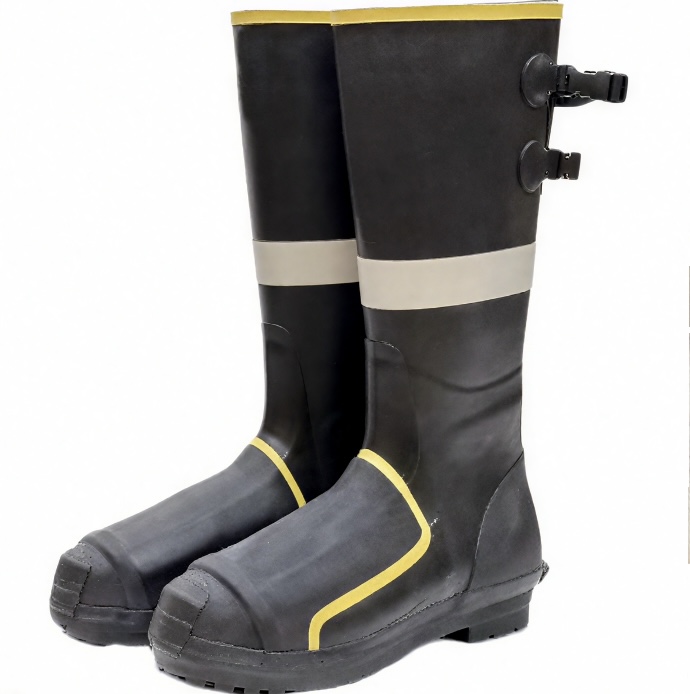
Steel toe anti - smash work boots are designed with specific materials and processes to ensure their performance. The steel toe cap is usually made of high - strength steel. This steel is carefully selected and processed to have high impact resistance. It is designed to withstand a certain amount of force without deforming and causing harm to the toes. According to ASTM F2413 - 24, which is a standard for protective footwear, the steel toe should be able to resist a certain level of impact and compression. The outsole of these boots is also crucial. It is often made of rubber or other materials with good slip - resistant properties. The pattern on the outsole is designed to increase friction with the ground, reducing the risk of slipping. For example, a deep - tread pattern can provide better traction on wet or slippery surfaces. The upper part of the boot can be made of leather or synthetic materials. Leather is known for its durability and water - resistance, while synthetic materials can be more lightweight and breathable. Professional Rain Boot Manufacturer often use advanced manufacturing techniques such as injection molding and vulcanization. Injection molding is used to create a seamless and strong bond between the sole and the upper part of the boot, improving the overall durability of the boot. Vulcanization is a process that enhances the strength and elasticity of rubber, making the outsole more resistant to wear and tear.
3. Practical Solutions and Operation Steps
When choosing steel toe anti - smash work boots for high - pressure industrial environments, consider the following steps:
- Material selection: For the steel toe, ensure it meets the ASTM F2413 - 24 standard. Look for boots with a high - quality rubber outsole that has a good slip - resistance rating according to EN ISO 20344:2021 or EN ISO 20347:2022+A1:2024. If you need water - resistant boots, choose leather or waterproof synthetic materials for the upper.
- Size selection: Measure your feet accurately and refer to the boot manufacturer's size chart. A proper fit is essential for comfort and safety. Boots that are too tight can cause circulation problems, while boots that are too loose can increase the risk of tripping.
- Comfort features: Look for boots with cushioning in the insole to reduce foot fatigue. Some boots also have moisture - wicking linings to keep your feet dry and comfortable.
- Inspection: Before purchasing, inspect the boots for any visible defects such as cracks in the sole, loose stitching, or a damaged steel toe.
4. Daily Maintenance and Precautions
To ensure the longevity and performance of your steel toe anti - smash work boots, follow these maintenance tips:
- Cleaning: After each use, clean the boots with a soft brush and mild soap. Remove any dirt, mud, or debris from the outsole and the upper part of the boot. This helps prevent the build - up of substances that can damage the materials.
- Drying: Allow the boots to dry naturally at room temperature. Do not expose them to direct heat sources such as heaters or sunlight, as this can cause the materials to shrink, crack, or lose their shape.
- Storage: Store the boots in a cool, dry place. Avoid storing them in a compressed position, as this can deform the boots. You can stuff the boots with newspaper to help them maintain their shape.
- Precautions: Do not use the boots for purposes other than their intended use. For example, do not use regular steel toe boots in environments where chemical protection is required. Also, do not use boots that are damaged or have worn - out soles, as they may not provide adequate protection.
5. Industry Standard and Parameter Reference
This chapter is the authoritative support module of the full - text, which must closely list international standards, test methods, or verifiable parameters. The following table provides some important references:
ParameterRecommended ReferenceWhy It MattersSlip resistanceEN ISO 20344:2021 / EN ISO 20347:2022+A1:2024 where applicableHelps evaluate outsole grip on wet or contaminated surfaces.Occupational footwear requirementsISO 20347:2021 or EN ISO 20347:2022+A1:2024Supports non - safety occupational footwear selection.Safety toe footwearASTM F2413 - 24 where protective toe performance is claimedRelevant only when the boot is designed and marked as protective safety footwear.Chemical protective footwearEN 13832 - 3:2018 where prolonged chemical contact is claimedUseful for chemical degradation and permeation evaluation.
Do not invent exact performance numbers. Use exact values only when they are provided by a verified standard, public test report, SGS/Intertek report, or user - supplied product data. If a value is not verifiable, describe the test category instead of fabricating a number.
6. Customer Common FAQ
Q: How do I know if the steel toe in the boot meets the safety standard?
A: Look for boots that are marked with the ASTM F2413 - 24 standard. Professional Rain Boot Manufacturer usually ensure that their products meet these standards, and you can also ask for test reports or certifications from the manufacturer.
Q: Are steel toe boots heavy? Will they cause foot fatigue?
A: Steel toe boots are generally heavier than regular boots. However, many modern designs incorporate lightweight materials and ergonomic features to reduce the weight and improve comfort. You can choose boots with good cushioning and a proper fit to minimize foot fatigue.
Q: Can I wear steel toe boots in wet environments?
A: It depends on the waterproofing properties of the boots. If the boots are made of waterproof materials such as leather or have a waterproof membrane, they can be worn in wet environments. But make sure to dry them properly after use to prevent rusting of the steel toe and damage to the materials.
Q: How often should I replace my steel toe boots?
A: The replacement frequency depends on the frequency of use and the working conditions. If you use the boots daily in a high - pressure industrial environment, you may need to replace them every 6 months to a year. Check the boots regularly for signs of wear and tear, such as a worn - out sole or a damaged steel toe.
Q: Do steel toe boots have good breathability?
A: Some steel toe boots are designed with breathable materials or ventilation systems. However, compared to regular shoes, their breathability may be relatively limited due to the need for protection. Look for boots with moisture - wicking linings to keep your feet dry and reduce discomfort.
Conclusion
In conclusion, steel toe anti - smash work boots play a crucial role in high - pressure industrial environments. Understanding the core problems such as protection, comfort, and performance, along with the product and process principles, can help users make informed choices. Practical solutions like proper material and size selection, and daily maintenance can ensure the boots' longevity and effectiveness. By referring to industry standards, users can ensure they are getting boots that meet the necessary safety requirements. Professional Rain Boot Manufacturer can provide valuable guidance in the selection and use of these boots.
References
- ASTM F2413 - 24, Protective Footwear Specification
- EN ISO 20344:2021, Footwear Test Methods
- EN ISO 20347:2022+A1:2024, Occupational Footwear
- EN 13832 - 3:2018, Chemical Protective Footwear