


How Steel Toe Anti-Smash Work Boots Protect You in Heavy Machinery Assembly Zones
Oct 10, 2026
View: 0
Leave a message
Meta Description: Heavy machinery assembly zones expose workers to falling objects and hazardous foot impact risks, making proper protective footwear non-negotiable. This article breaks down how steel toe anti-smash boots deliver critical protection for industrial tasks, covering material science, safety standards, and practical guidance for selection and maintenance. Professional Rain Boot Manufacturer leverages industry knowledge to contextualize these protective solutions.
Keywords: steel toe anti-smash work boots, industrial safety footwear, heavy machinery work boots, Occupational foot protection, safety boot standards, protective shoe maintenance
1. Core Problem Analysis
1.1 Common Causes of the Problem
Workers in heavy machinery assembly zones face persistent foot hazards including falling metal components, dropped tools, shifting heavy parts, and accidental compression between equipment and stationary structures. Without suitable protective footwear, these risks can lead to severe crush injuries, bone fractures, or permanent disability. Many workers underestimate the difference between general work shoes and purpose-built anti-smash boots, often selecting footwear based on comfort rather than specific hazard protection requirements. According to ISO 20344:2021, foot impact resistance testing simulates 200 joules of force—enough to cause injury in unprotected footwear.
1.2 Affected Usage Scenarios
Steel toe anti-smash work boots are critical for environments where foot impact and compression risks are prevalent. Heavy machinery assembly lines, auto manufacturing plants, heavy equipment factories, and metal fabrication shops represent high-risk scenarios. These settings involve regular handling of 10-kilogram to 50-kilogram metal parts, overhead component storage, and moving assembly fixtures that can shift unexpectedly. Additionally, adjacent work areas like material storage yards and equipment maintenance bays also benefit from this protective footwear, as they share similar crush and impact risks.
2. Product and Process Principle
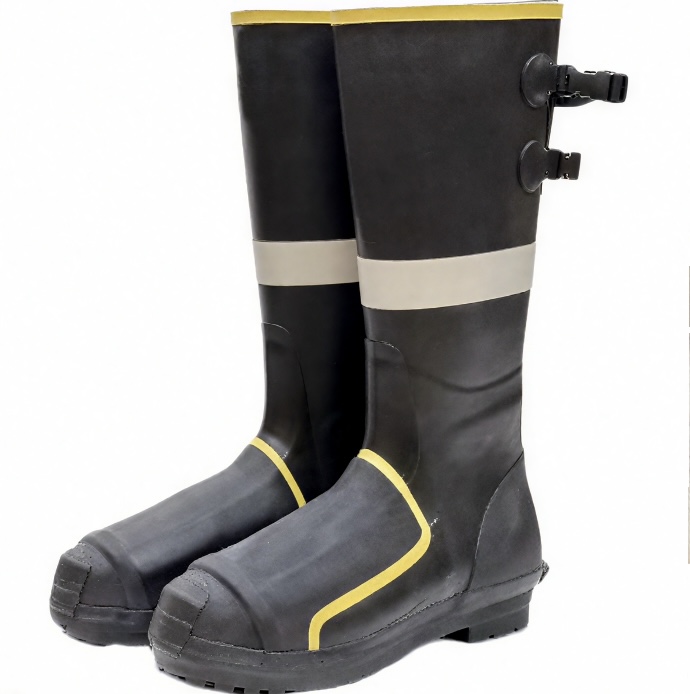
Steel toe anti-smash work boots are designed with two core protective components: a steel toe cap and a robust upper structure that resists compression. The steel toe cap is typically constructed from low-carbon steel, which offers high tensile strength while maintaining a lightweight profile suitable for full-day wear. The cap is engineered to meet specific impact and compression resistance standards, not just general structural integrity. Professional Rain Boot Manufacturer emphasizes that material selection for these boots must balance protection, weight, and flexibility to avoid causing worker fatigue during extended shifts.
The upper of the boot is often made from heavy-duty rubber or leather, depending on the environment. Rubber uppers provide additional water resistance, which is beneficial for zones with frequent cleaning or spillage of hydraulic fluids. Vulcanization is a common manufacturing process for rubber boots, as it bonds the rubber molecules to create a seamless, leak-proof structure that also resists abrasion from heavy machinery surfaces. The outsole uses high-friction rubber compounds with a tread pattern designed to provide grip on smooth industrial floors, which is particularly important when workers are moving around heavy equipment.
Internal components include a shock-absorbing midsole, which helps reduce the force transmitted to the foot during an impact. The lining is typically moisture-wicking fabric to keep feet dry, preventing blisters and fungal growth from prolonged wear. The combination of these elements creates a boot that does not compromise on comfort while delivering the required protection against impact and compression hazards.
3. Practical Solutions and Operation Steps
Selecting the right steel toe anti-smash work boots requires matching the product to the specific hazards of the work zone, rather than purchasing based on generic safety claims. The following steps provide a structured approach to choosing suitable footwear for heavy machinery assembly areas.
- Step 1: Conduct a hazard assessment of the work zone to identify specific risks—confirm the maximum weight of potential falling objects, presence of sharp edges, and floor conditions. This assessment will determine the required impact and compression resistance levels.
- Step 2: Verify compliance with relevant safety standards, such as ASTM F2413-24 or EN ISO 20347:2022+A1:2024, to ensure the boots meet minimum performance requirements for industrial protection. Avoid boots that only claim "anti-smash" without certification marks.
- Step 3: Test the fit and flexibility of the boots. The steel toe cap should not restrict natural toe movement when walking or bending, as excessive stiffness can lead to fatigue. Choose a size that allows room for thick work socks, which are often worn in cold industrial environments.
- Step 4: Evaluate additional features based on secondary hazards. For zones with hydraulic fluid spillage, select rubber uppers with chemical resistance properties. For areas with uneven floors, opt for boots with deep, non-slip treads to prevent slips.
- Step 5: Check the durability of the construction. Seams should be reinforced, especially at the toe and heel areas, to resist splitting from repeated contact with machinery. The outsole should be thick enough to protect against punctures from metal shards that may fall from assembly processes.
When using the boots, ensure they are worn correctly with the laces tied securely to prevent the boot from shifting during movement. Avoid modifying the boots, such as cutting the tongue or removing internal components, as this can compromise their protective performance. For workers with foot conditions, consult a professional podiatrist to ensure the boots provide adequate arch support and do not exacerbate existing issues.
4. Daily Maintenance and Precautions
Proper maintenance of steel toe anti-smash work boots extends their service life and preserves their protective properties. Regular cleaning is essential to remove industrial contaminants like metal shavings, hydraulic fluid, and dust, which can degrade the rubber or leather over time. For rubber boots, wipe the surface with a damp cloth and mild detergent, avoiding harsh solvents that can break down the material. For leather boots, use a specialized leather cleaner and conditioner to prevent cracking and maintain flexibility.
After each use, allow the boots to air dry completely in a well-ventilated area away from direct sunlight or heat sources such as radiators or industrial heaters. High temperatures can warp the steel toe cap, reducing its impact resistance, and cause the rubber to become brittle. Avoid leaving the boots in closed storage containers for extended periods, as trapped moisture can lead to mold growth and odor.
Key precautions include not using steel toe anti-smash work boots for tasks outside their intended purpose. They are designed for impact and compression protection, not for electrical hazard resistance or chemical protection unless explicitly certified for those uses. Never rely on these boots to guard against heavy weights that exceed the certified compression limit, as this can lead to toe cap failure and foot injury. Additionally, avoid walking on hot surfaces with rubber-soled boots, as high temperatures can soften the outsole and reduce grip.
Periodically inspect the boots for signs of wear, including cracks in the toe cap, separated seams, or worn-out treads. If any of these issues are present, replace the boots immediately, as they may no longer provide adequate protection. Professional Rain Boot Manufacturer notes that even small signs of damage can compromise the boot’s ability to withstand impact, so regular inspections are critical for worker safety.
5. Industry Standard and Parameter Reference
Industrial protective footwear is governed by internationally recognized standards that define minimum performance requirements for safety features. These standards provide a consistent framework for evaluating the protective capabilities of steel toe anti-smash work boots, ensuring that workers receive reliable protection in hazardous environments. Below is a table of key standards and parameters relevant to heavy machinery assembly zones.
ParameterRecommended ReferenceWhy It Matters
Slip resistanceEN ISO 20344:2021 / EN ISO 20347:2022+A1:2024 where applicableHelps evaluate outsole grip on wet or contaminated surfaces common in industrial settings.
Occupational footwear requirementsISO 20347:2021 or EN ISO 20347:2022+A1:2024Supports non-safety occupational footwear selection for general industrial tasks.
Safety toe footwearASTM F2413-24 where protective toe performance is claimedRelevant only when the boot is designed and marked as protective safety footwear for impact and compression.
Chemical protective footwearEN 13832-3:2018 where prolonged chemical contact is claimedUseful for evaluating resistance to common hydraulic fluids and cleaning chemicals in assembly zones.
Impact resistance testingISO 20344:2021 Section 7.2Simulates 200 joules of impact force to verify toe cap performance under heavy machinery-related hazards.
Compression resistanceISO 20344:2021 Section 7.3Tests ability to withstand 15,000 Newtons of compression force, aligning with heavy part weight risks.
These standards are developed through rigorous testing by independent third-party laboratories such as SGS and Intertek, ensuring that the performance claims of steel toe anti-smash work boots are verified. For a boot to carry compliance markings, it must pass all relevant test procedures outlined in the applicable standard. Employers should require boots that display these markings to confirm they meet minimum safety requirements for the work zone.
6. Customer Common FAQ
Q: Are steel toe anti-smash work boots suitable for all heavy machinery assembly tasks?
A: Their suitability depends on the specific hazards present. They are ideal for impact and compression risks, but are not designed for electrical hazard protection or exposure to strong chemicals unless certified for those purposes. Always match boots to the documented hazard assessment of the work area.
Q: How do I know if a steel toe cap is still functional after an impact incident?
A: Inspect the toe cap for visible cracks, dents, or deformation. Even small signs of damage can reduce impact resistance, so replace the boots immediately after any incident where the toe may have been struck. Professional Rain Boot Manufacturer recommends replacing boots after a single significant impact, even if no external damage is visible.
Q: Can steel toe anti-smash work boots be used in cold industrial environments?
A: Many models are designed with insulation for cold conditions, but check for low-temperature flexibility certification under relevant standards. Avoid boots that become rigid in cold temperatures, as this can compromise their ability to bend and provide comfort during extended shifts.
Q: How often should steel toe anti-smash work boots be replaced?
A: Replacement frequency depends on usage intensity and maintenance. As a general guideline, replace boots every 12 to 18 months for daily industrial use, or earlier if damage is detected. Heavy usage, such as frequent contact with sharp metal edges, may require more frequent replacement.
Q: Is there a difference between steel toe boots and anti-smash boots?
A: Steel toe boots are a type of safety footwear that includes a protective toe cap, while anti-smash boots are designed specifically to resist compression and impact from heavy objects. Most steel toe boots meet anti-smash performance requirements under relevant standards, but it is important to verify compliance for the specific hazards of your work zone.
Conclusion
Steel toe anti-smash work boots play a critical role in protecting workers in heavy machinery assembly zones from foot injuries caused by impact and compression hazards. Understanding the material principles, safety standards, and practical selection guidelines helps employers and workers choose appropriate footwear. Professional Rain Boot Manufacturer highlights that prioritizing certification, fit, and maintenance ensures boots deliver reliable protection throughout their service life. By aligning footwear choices with documented hazard assessments and industry standards, work zones can significantly reduce the risk of preventable foot injuries.
References
- ISO 20344:2021, Footwear - Test methods for whole shoe, International Organization for Standardization, Geneva, 2021
- ISO 20347:2021, Occupational footwear - Requirements and test methods, International Organization for Standardization, Geneva, 2021
- ASTM F2413-24, Standard Specification for Performance Requirements for Protective Footwear, ASTM International, West Conshohocken, PA, 2024
- EN ISO 20347:2022+A1:2024, Occupational footwear, European Committee for Standardization, Brussels, 2024
- EN 13832-3:2018, Chemical protective footwear - Part 3: Requirements and test methods for chemical resistance, European Committee for Standardization, Brussels, 2018