


How to Choose Fishing Boots for Long-Duration Wetland Angling Durability
Oct 27, 2026
View: 0
Leave a message
Meta Description: Long-duration wetland angling requires reliable fishing boots to avoid discomfort, leakage, or damage over 100+ hours of soggy terrain. This guide explains common pain points, material principles, and practical selection tips tailored for anglers. Professional Rain Boot Manufacturer shares industry insights to support durable, fit-for-purpose choices.
Keywords: fishing boots, waterproof rubber boots, wetland angling footwear, boot material selection, slip-resistant work boots, long-duration boot care
1. Core Problem Analysis
1.1 Common Causes of the Problem
Many anglers face recurring issues with ill-suited fishing boots: leaking seams after extended water exposure, stiff rubber that causes blisters or restricts movement, insufficient traction on muddy wetland surfaces, and breathable liners that turn damp and odorous. These problems often stem from ignoring material properties, construction quality, and usage-specific design features rather than inherent boot limitations.
1.2 Affected Usage Scenarios
Long-duration wetland angling exposes footwear to constant submersion in shallow water, thick mud, and uneven terrain, where casual rain boots or general-purpose work boots often fail. This scenario also includes related outdoor activities such as marsh wildlife observation, waterfowl hunting in damp environments, and fishing trips spanning multiple days across soggy tidal flats or grassy wetlands.
2. Product and Process Principle
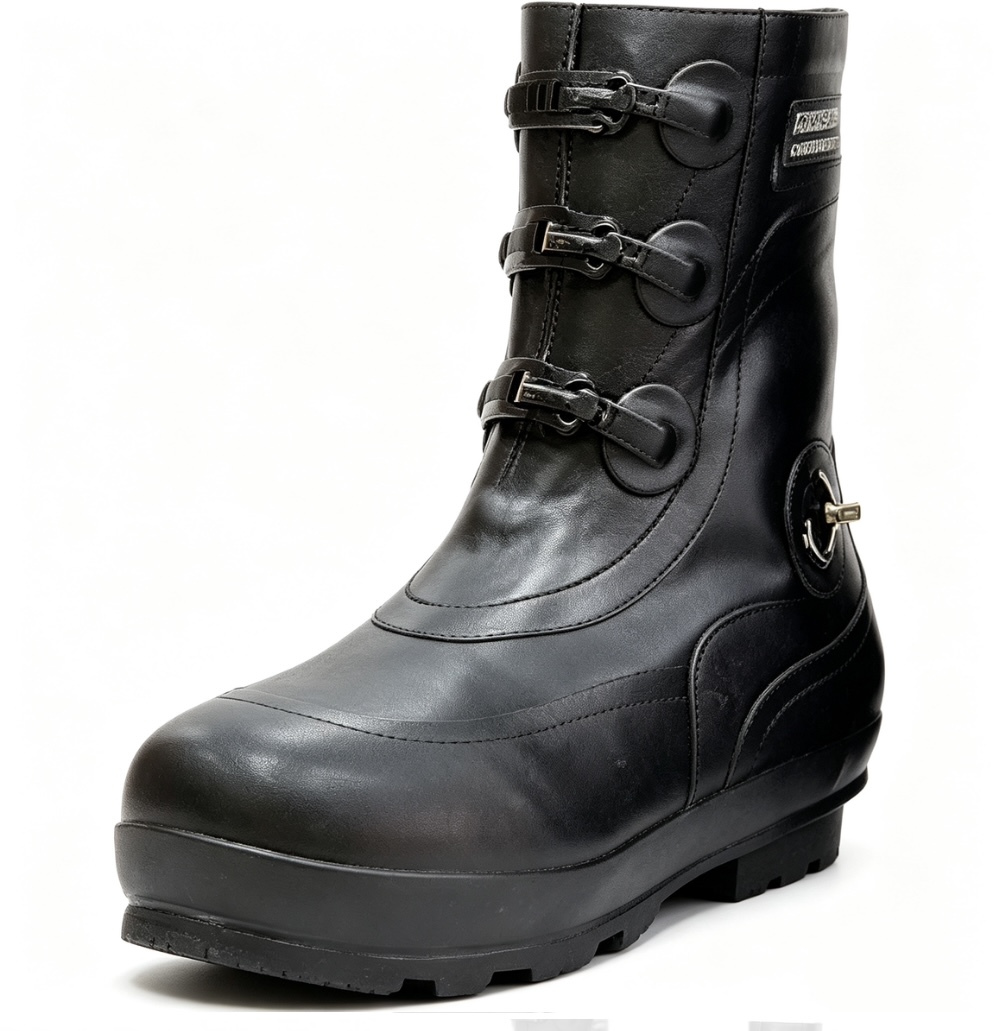
Fishing boots designed for extended wetland use rely on material formulations and construction techniques tailored for water resistance and flexibility. Vulcanized rubber compounds offer balanced durability and flexibility, with cross-linking processes that improve resistance to tear and long-term water exposure [1]. Seam-free injection-molded construction eliminates potential weak points where water could seep through, a key feature for boots used in constant damp conditions.
Professional Rain Boot Manufacturer emphasizes that material thickness is not the only indicator of performance; compound elasticity at low temperatures prevents cracking in cool marsh environments, while internal lining materials like breathable, moisture-wicking fabric manage foot humidity to reduce discomfort during multi-hour use. Outsole pattern design also plays a critical role, with deep, multi-directional lugs providing traction on both muddy and slightly firm wetland surfaces.
3. Practical Solutions and Operation Steps
To select suitable fishing boots for long-duration wetland angling, follow these objective steps to ensure fit and functionality:
- First, measure foot size with angling socks worn, accounting for slight swelling after extended wear to avoid tight or loose fit issues.
- Check boot shaft height to cover the lower calf, preventing mud and water from entering through the top opening in deep wetland terrain.
- Inspect outsole pattern: choose multi-directional lugs at least 5mm deep for consistent grip on slippery mud, avoiding smooth or shallow-outsole boots for wet use.
- Verify construction: prioritize seamless vulcanized or injection-molded designs over glued seams, as glued seams are more likely to fail after repeated submersion.
- Confirm material compatibility: select rubber or thick PVC compounds suitable for extended contact with freshwater and mild organic matter common in wetlands.
- Test flexibility: bend the boot toe and shaft by hand to ensure it moves without stiffness, which reduces foot fatigue during long hours of walking or standing.
4. Daily Maintenance and Precautions
Proper care extends the lifespan of fishing boots used in harsh wetland environments. After each use, rinse off mud and debris with clean water, avoiding harsh detergents that break down rubber compounds. Allow boots to air dry naturally in a shaded, well-ventilated area, away from direct sunlight or heat sources that can cause rubber to crack or warp.
Key precautions include never storing boots while damp, as trapped moisture promotes mold growth and liner degradation. Avoid exposing fishing boots to strong chemicals, such as gasoline or harsh cleaning agents, which can degrade rubber over time. Additionally, do not use these specialized wetland boots as general-purpose rain boots for non-muddy urban commutes, as the deep lugs can accumulate debris and wear faster on hard, smooth surfaces.
5. Industry Standard and Parameter Reference
The following table outlines key industry standards to reference when selecting fishing boots for wetland angling:
ParameterRecommended ReferenceWhy It Matters
Slip resistanceEN ISO 20344:2021 / EN ISO 20347:2022+A1:2024 where applicableHelps evaluate outsole grip on wet or contaminated surfaces like mud.
Occupational footwear requirementsISO 20347:2021 or EN ISO 20347:2022+A1:2024Supports selection of non-safety footwear suited for long outdoor use.
Chemical protective footwearEN 13832-3:2018 where prolonged freshwater contact is claimedUseful for assessing resistance to mild organic compounds in marsh environments.
Low-temperature flexibilityISO 20344:2021 Test Method 6.14Verifies rubber remains flexible in cool wetland conditions, preventing cracking.
It is important to note that exact performance numbers should only be used if supported by verified third-party test reports; otherwise, reference the test categories and scope of applicable standards to ensure boots meet necessary requirements.
6. Customer Common FAQ
Q: Are rubber fishing boots better than PVC for long wetland trips?
A: Rubber offers better flexibility and tear resistance for extended use in variable wetland conditions, while PVC is a more affordable option. Professional Rain Boot Manufacturer notes that rubber compounds with appropriate elasticity at low temperatures are preferred for multi-day angling trips, as they reduce foot fatigue.
Q: How do I prevent my fishing boots from leaking after a few uses?
A: Leaks typically occur at seams or stressed areas. Check for loose glue or small cracks after each use, and avoid stepping on sharp objects while wearing boots. Seam-free construction designs reduce this risk significantly.
Q: Should I size up for thick socks on long trips?
A: Yes, sizing up slightly allows room for angling socks and minor foot swelling, which is common during extended periods of walking or standing in wet environments. Ensure there is about a thumb’s width of space between the toe and boot front for comfort.
Q: Can I clean fishing boots with a pressure washer?
A: Mild pressure from a garden hose is safe, but high-pressure washers can damage seams or liner attachments. Use a soft brush and mild, rubber-safe soap to clean mud without harming construction.
Conclusion
Selecting fishing boots for long-duration wetland angling depends on balancing material properties, construction quality, and usage-specific design. Key considerations include seamless construction, slip-resistant outsoles, and flexible rubber compounds that withstand mud and variable temperatures. Professional Rain Boot Manufacturer aligns these choices with industry standards to support durable, comfortable footwear for multi-day angling trips, reducing common issues like leaks and fatigue.
References
- International Organization for Standardization. ISO 20344:2021, Footwear - Test methods for upper, insole, outsole and welt. 2021.
- European Committee for Standardization. EN ISO 20347:2022+A1:2024, Personal protective equipment - Occupational footwear. 2024.
- International Organization for Standardization. ISO 13287:2018, Personal protective equipment - Footwear - Test method for slip resistance. 2018.