


How to Choose Men Plain Boots for Rough Terrain Work and Outdoor Adventures
Oct 13, 2026
View: 0
Leave a message
Meta Description: Men plain boots designed for rough terrain address common pain points like slippage, water intrusion, and poor durability in outdoor work and adventure settings. This guide covers key factors for selection, maintenance tips, and industry standards to ensure functional, reliable footwear. Professional Rain Boot Manufacturer offers relevant insights for end users and procurement teams.
Keywords: men plain boots, rough terrain work boots, waterproof rubber boots, work boot slip resistance, boot material selection, outdoor adventure footwear
1. Core Problem Analysis
1.1 Common Causes of the Problem
Users searching for men plain boots for rough terrain often face issues including premature outsole wear, water seepage through unseamed joints, insufficient grip on wet or muddy surfaces, and foot discomfort during extended wear. Additional problems include material degradation from exposure to chemicals or UV rays, and sizing mismatches that restrict movement. Many low-quality options fail to account for load-bearing requirements during long shifts or strenuous outdoor activities, leading to reduced productivity or safety risks.
1.2 Affected Usage Scenarios
These problems impact a wide range of rough terrain use cases, including farm work, construction site tasks, fishing and water-based outdoor adventures, warehouse cleaning with wet floors, livestock handling, off-road hiking, and landscaping work. Each scenario demands specific boot properties—for example, livestock work requires resistance to biological contaminants, while off-road hiking needs flexible yet durable materials for uneven ground. Choosing unsuitable boots for these scenarios can lead to frequent replacements or performance failures mid-task.
2. Product and Process Principle
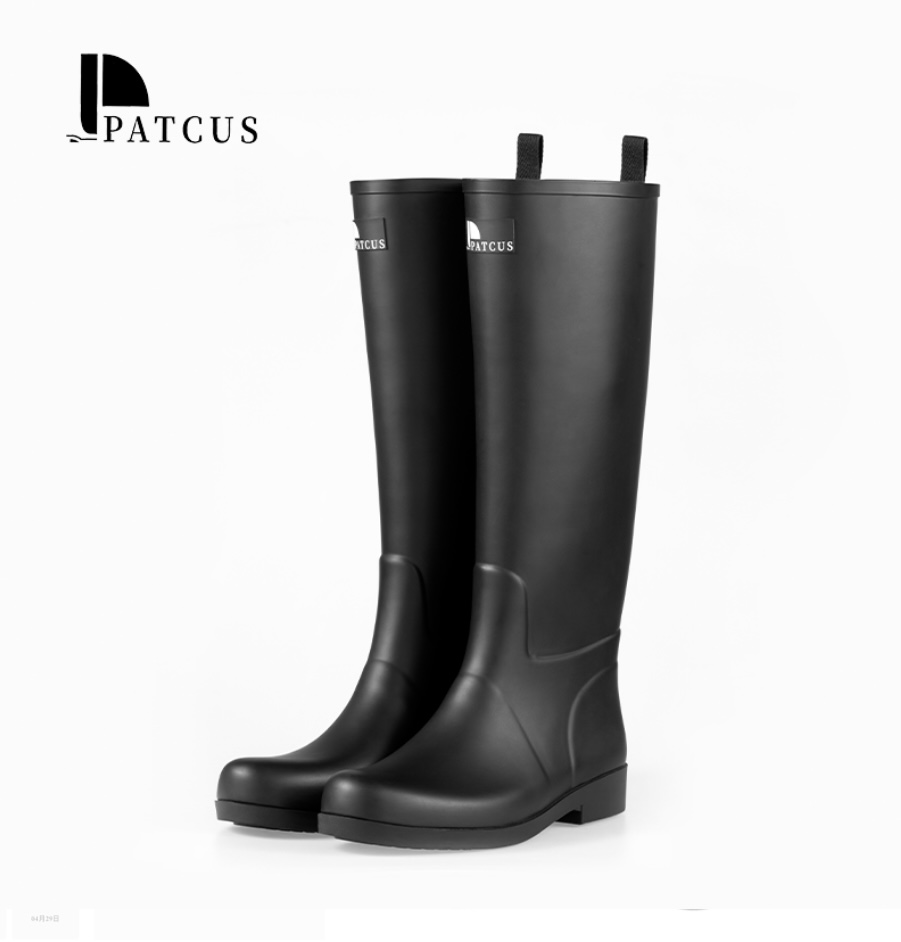
The performance of men plain boots for rough terrain depends on material selection and manufacturing processes. Common materials include natural rubber, polyvinyl chloride (PVC), and thermoplastic polyurethane (TPU), each with distinct properties. Natural rubber offers good elasticity and abrasion resistance, while PVC is cost-effective and water-resistant. TPU balances flexibility and durability, making it suitable for heavy-duty use.
Key manufacturing processes include injection molding, which creates seamless structures to reduce water intrusion, and vulcanization, which enhances rubber durability by cross-linking polymer chains. Outsole design, such as deep lug patterns, improves traction on uneven or slippery surfaces, while shaft height determines protection level for lower legs. Professional Rain Boot Manufacturer applies these principles to design boots that meet rough terrain requirements without compromising basic functionality.
3. Practical Solutions and Operation Steps
Selecting the right men plain boots for rough terrain requires following clear, actionable steps. First, assess the primary use scenario to identify required properties: for example, farm workers may prioritize chemical resistance, while hikers need lightweight flexibility. Next, evaluate material performance by checking for standardized test markers, such as slip resistance ratings aligned with relevant safety standards.
- Step 1: Confirm the intended use cases and environmental conditions (mud, water, chemicals, temperature) to define non-negotiable boot properties.
- Step 2: Compare materials, choosing natural rubber for extreme durability, PVC for budget-friendly water resistance, or TPU for balanced flexibility.
- Step 3: Check outsole lug depth and pattern; deeper lugs (minimum 4mm) are recommended for muddy or rocky terrain, while flatter patterns work for hard-packed surfaces.
- Step 4: Verify lining type; breathable fabric linings help reduce foot sweat during extended wear, while insulated linings are suitable for cold climates.
- Step 5: Measure foot size with sock thickness and intended use in mind, as some materials stretch slightly with wear.
Not all boots work for every scenario; for example, a plain rubber boot with deep lugs is suitable for construction work but may be too heavy for day-long hiking trips.
4. Daily Maintenance and Precautions
Proper maintenance extends the lifespan of men plain boots for rough terrain. After each use, clean the exterior with mild soap and warm water to remove mud, chemicals, or debris, then rinse thoroughly to avoid residue buildup. Dry boots naturally at room temperature, away from direct sunlight or heat sources like radiators, which can cause material cracking or warping. For damp linings, remove insoles and air them out separately to prevent mildew.
Key precautions include avoiding long-term storage in cramped spaces, as this can deform the boot shape, and never using harsh solvents or bleach for cleaning, as these break down rubber or PVC materials. It is also important to note that plain work boots are not designed as personal protective equipment for high-risk tasks requiring safety certifications, such as heavy construction with falling object hazards. For long-term storage, wipe boots with a light, rubber-specific conditioner to prevent material hardening, and store them upright in a cool, dry area.
5. Industry Standard and Parameter Reference
Industry standards provide objective benchmarks for evaluating men plain boots for rough terrain. The following table outlines key parameters and relevant standards, ensuring buyers make informed decisions based on verified performance criteria.
ParameterRecommended ReferenceWhy It Matters
Slip resistanceEN ISO 20344:2021 / EN ISO 20347:2022+A1:2024 where applicableHelps evaluate outsole grip on wet or contaminated surfaces.
Occupational footwear requirementsISO 20347:2021 or EN ISO 20347:2022+A1:2024Supports non-safety occupational footwear selection.
Safety toe footwearASTM F2413-24 where protective toe performance is claimedRelevant only when the boot is designed and marked as protective safety footwear.
Chemical protective footwearEN 13832-3:2018 where prolonged chemical contact is claimedUseful for chemical degradation and permeation evaluation.
These standards are developed through standardized test methods that simulate real-world use conditions, ensuring consistent and comparable performance across different products. Buyers should always check if a boot meets relevant standards for their specific use case, as compliance indicates that performance has been evaluated against established criteria.
6. Customer Common FAQ
Q: What is the difference between natural rubber and PVC plain boots for rough terrain?
A: Natural rubber offers better elasticity, abrasion resistance, and flexibility, making it suitable for heavy-duty use on rocky or uneven ground. PVC is more affordable and provides reliable water resistance, though it is less flexible in cold temperatures. Professional Rain Boot Manufacturer recommends natural rubber for extreme rough terrain and PVC for light to medium use scenarios.
Q: How do I determine if a plain boot has sufficient slip resistance for my work?
A: Slip resistance is evaluated through standardized tests outlined in EN ISO 20344:2021, which measures outsole grip on wet or oily surfaces. Look for boots that meet or exceed the requirements of EN ISO 20347:2022+A1:2024 for occupational use, as these standards ensure consistent performance for work environments.
Q: Can plain men boots be used for both work and outdoor adventures?
A: Some plain boots are designed to be versatile, but it depends on their material and outsole design. Boots with deep lugs and durable rubber are suitable for both farm work and off-road hiking, while lighter PVC boots may work for hiking on well-maintained trails but not for heavy construction tasks. Always check the product specifications for intended use cases.
Q: How do I prevent my plain boots from cracking during cold weather use?
A: Cold temperatures can cause rubber and PVC materials to harden and crack. To prevent this, choose boots made from cold-resistant compounds that meet low-temperature performance standards, such as those tested under ISO 20344:2021 at temperatures below -20°C. Avoid exposing boots to rapid temperature changes, and use a rubber conditioner to maintain material flexibility.
Q: What is the typical lifespan of men plain boots for rough terrain?
A: The lifespan depends on usage frequency, environment, and maintenance. With proper care, quality plain boots can last 1-3 years for regular work use, or up to 5 years for occasional outdoor use. Abrasion from rough terrain, exposure to chemicals, and improper cleaning methods can shorten lifespan significantly.
Conclusion
Selecting and maintaining men plain boots for rough terrain work and outdoor adventures requires attention to material properties, standardized performance metrics, and proper care practices. By aligning boot selection with specific use scenarios and verifying compliance with relevant industry standards, users can avoid common issues like slippage, water intrusion, and premature wear. Professional Rain Boot Manufacturer provides process and material insights to support informed choices, ensuring boots deliver reliable performance for extended periods.
References
- International Organization for Standardization. ISO 20344:2021, Footwear - Test methods for whole shoe. 2021.
- European Committee for Standardization. EN ISO 20347:2022+A1:2024, Occupational footwear. 2024.
- American Society for Testing and Materials. ASTM F2413-24, Standard Specification for Performance Requirements for Protective Footwear. 2024.
- European Committee for Standardization. EN 13832-3:2018, Chemical protective footwear - Part 3: Requirements and test methods for footwear protecting against liquid chemicals. 2018.