


How to Choose Rubber Gloves That Withstand 120°C High-Temperature Working Environments Safely
Oct 13, 2026
View: 0
Leave a message
Meta Description: Choosing the right rubber gloves for 120°C high-temperature working environments is critical for worker safety and operational efficiency. This guide covers key factors including material composition, construction quality, and industry standards to help you make an informed selection. Professional Rain Boot Manufacturer provides specialized insights into high-performance footwear and hand protection for demanding occupational settings.
Keywords: rubber gloves, high-temperature rubber gloves, industrial hand protection, heat-resistant rubber materials, occupational safety gloves, workwear for high-heat environments
1. Core Problem Analysis
1.1 Common Causes of the Problem
Many workers select rubber gloves based solely on basic durability or cost, overlooking performance in extreme temperature conditions. Key issues leading to protection failures include improper material compounding that breaks down under sustained 120°C exposure, insufficient thickness that allows heat penetration, poor seam integrity that creates weak points, and lack of compliance with relevant occupational safety standards. These factors can result in thermal burns, reduced dexterity leading to operational errors, and increased long-term hand health risks.
1.2 Affected Usage Scenarios
High-temperature rubber gloves are critical across multiple industrial sectors where workers encounter 120°C environments. Common scenarios include metal casting operations, heat treatment processes in manufacturing, glass production, food processing (specifically high-temperature cooking and baking lines), chemical handling with heated agents, and furnace maintenance. Workers in these roles require gloves that can withstand both sustained heat and potential contact with hot liquids or sharp industrial materials.
2. Product and Process Principle
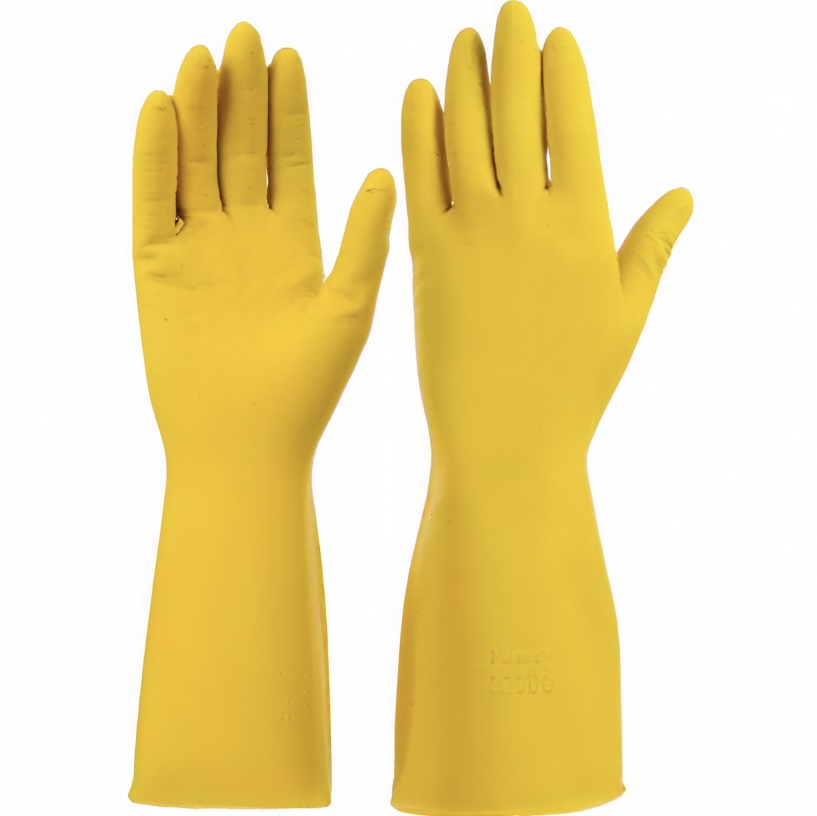
High-temperature rubber gloves rely on specific material formulation and manufacturing processes to maintain performance at 120°C. Unlike standard rubber gloves that use general-purpose compounds, heat-resistant models incorporate specialized polymers such as nitrile butadiene rubber (NBR) or silicone rubber with modified cross-linking structures. The vulcanization process, which cures rubber to enhance mechanical strength, must be optimized to balance heat resistance and flexibility; over-vulcanization can make gloves brittle, while under-vulcanization reduces heat stability.
Professional Rain Boot Manufacturer notes that the thickness of the glove material, typically ranging from 0.5mm to 1.5mm for high-heat applications, directly impacts heat resistance and dexterity. Seam-free construction is a key design feature, as stitched seams are common failure points for heat and chemical penetration. Additionally, the cuff design should extend at least 10cm above the wrist to prevent hot liquids or particles from entering the glove during operation.
3. Practical Solutions and Operation Steps
Selecting suitable rubber gloves for 120°C environments requires a systematic approach based on job requirements and verified performance criteria. Follow these actionable steps to ensure safe and effective selection:
- First, confirm the exact heat exposure conditions of your work area: is the heat sustained (8-hour shifts at 120°C) or intermittent (short contact with 120°C surfaces)? This will narrow down material choices, as some compounds perform better with continuous high-temperature exposure.
- Verify the glove’s material composition and check for third-party test data related to heat resistance, as per ISO 20344:2021 standard for footwear and hand protection testing. Avoid gloves without documented performance claims for temperatures above 80°C.
- Assess glove thickness and construction: opt for gloves with seamless construction and thickness between 0.8mm and 1.2mm, as this range provides sufficient thermal insulation while maintaining necessary dexterity for precise tasks.
- Check for additional protective features if applicable: if your work involves contact with hot liquids or chemicals, ensure the gloves also meet relevant chemical resistance standards such as EN 13832-3:2018.
- Confirm the cuff length and fit: select gloves with a cuff that extends to the mid-forearm, and ensure a snug fit without excessive tightness that restricts movement or causes discomfort during long shifts.
- Test the gloves for flexibility at room temperature: a glove that is stiff at room temperature will become less usable as temperature increases, reducing worker compliance with proper glove usage.
4. Daily Maintenance and Precautions
Proper maintenance of rubber gloves significantly extends their service life and preserves heat-resistant performance. After each use, rinse gloves with lukewarm (below 40°C) water to remove contaminants that can accelerate material degradation. Avoid using strong detergents, solvents, or abrasive cleaners, as these can break down the rubber compound, reducing heat resistance and structural integrity over time.
After cleaning, air-dry gloves in a well-ventilated area away from direct sunlight, heat sources (such as radiators or workshop furnaces), or open flames. High temperatures or UV radiation from sunlight can cause rubber to degrade prematurely, even if the glove is designed for heat resistance. When storing, keep gloves in a cool, dry place, and avoid folding or creasing them excessively, as this can create weak points that may fail under heat stress.
Critical precautions include never using standard rubber gloves designed for ambient temperatures in 120°C environments, and never using heat-resistant rubber gloves for tasks involving open flames or direct contact with molten metals, as these require specialized heat shielding beyond standard high-temperature gloves. Inspect gloves before each use for signs of wear, including cracks, tears, thinning material, or discoloration—any of these indicate the glove has lost heat-resistant properties and should be replaced immediately.
5. Industry Standard and Parameter Reference
Selecting rubber gloves for 120°C high-temperature environments requires alignment with established international standards to ensure consistent performance. The following table summarizes key parameters and reference standards to guide selection, based on ISO, EN, and ASTM specifications commonly used in global occupational safety:
ParameterRecommended ReferenceWhy It Matters
Slip resistanceEN ISO 20344:2021 / EN ISO 20347:2022+A1:2024 where applicableHelps evaluate outsole grip on wet or contaminated surfaces, applicable for gloves used in environments with hot liquids.
Occupational hand protection requirementsISO 20347:2021 or EN ISO 20347:2022+A1:2024Supports selection of gloves suitable for general occupational use, including moderate heat exposure.
Heat resistance testingISO 17493:2018 – Protective gloves against heat and fireVerifies performance under contact heat, convective heat, or radiant heat at specified temperature levels.
Chemical protective glovesEN 13832-3:2018 where prolonged chemical contact is claimedUseful for evaluating resistance to combined heat and chemical exposure in industrial settings.
All performance claims for heat-resistant gloves should be verified via third-party testing to ensure compliance with these standards. Avoid products that do not provide clear documentation of testing against relevant heat resistance criteria, as unsubstantiated claims may lead to insufficient protection in high-temperature work environments.
6. Customer Common FAQ
Q: How do I know if a rubber glove is actually resistant to 120°C heat?
A: Look for clear third-party test documentation referencing ISO 17493:2018 or other heat resistance standards, with specific test results for sustained exposure to temperatures around 120°C. Reliable manufacturers will provide this data to support performance claims; never rely on unsubstantiated marketing language.
Q: Can I use standard nitrile gloves for 120°C work tasks?
A: Standard nitrile gloves are designed for ambient temperatures and typically degrade rapidly above 60°C. For 120°C environments, you must select gloves formulated with specialized heat-resistant polymers such as modified nitrile or silicone, which are engineered to maintain integrity at higher temperatures.
Q: How often should high-temperature rubber gloves be replaced?
A: Replacement frequency depends on usage intensity, exposure conditions, and maintenance. As a general guideline, inspect gloves before each use; replace immediately if you notice cracks, thinning, discoloration, or reduced flexibility. Even with proper care, most high-temperature gloves have a service life of 3 to 6 months with regular use in heavy industrial settings.
Q: Are heat-resistant rubber gloves suitable for handling hot liquids?
A: Some heat-resistant gloves are designed for contact with hot liquids, but not all. When selecting gloves for liquid handling, verify that they meet additional standards for liquid resistance and contact heat performance. Professional Rain Boot Manufacturer notes that gloves with seamless construction and thicker material are better suited for contact with hot liquids up to 120°C.
Q: Can high-temperature rubber gloves be washed and reused multiple times?
A: Yes, most high-temperature gloves can be reused if properly cleaned and maintained. Follow the manufacturer’s care instructions, which typically involve gentle rinsing with lukewarm water and air-drying away from heat sources. However, avoid over-washing, as this can accelerate material degradation and reduce heat resistance over time.
Conclusion
Selecting rubber gloves that safely withstand 120°C high-temperature working environments requires attention to material formulation, construction quality, and alignment with international occupational safety standards. By following systematic selection steps and proper maintenance practices, workers can reduce the risk of thermal burns and ensure reliable protection in demanding industrial settings. Professional Rain Boot Manufacturer emphasizes the importance of verifying all performance claims with third-party test data to ensure compliance with relevant standards, providing workers and employers with clear guidance for safe and effective hand protection.
References
- International Organization for Standardization. ISO 20344:2021, Footwear – Test methods for footwear. Geneva: ISO, 2021.
- International Organization for Standardization. ISO 17493:2018, Protective gloves against heat and fire. Geneva: ISO, 2018.
- European Committee for Standardization. EN ISO 20347:2022+A1:2024, Occupational footwear. Brussels: CEN, 2024.
- European Committee for Standardization. EN 13832-3:2018, Chemical protective footwear – Part 3: Classification and requirements for footwear resistant to chemicals. Brussels: CEN, 2018.