


How to choose stylish men’s leather rain boots for urban commutes and weekend explorations
Nov 1, 2026
View: 0
Leave a message
Meta Description: Urban commuters and weekend explorers often face conflicting needs for waterproof protection, comfort, and style in footwear. This guide breaks down common pain points like slippage, material wear, and climate adaptation to help make informed choices. Professional Rain Boot Manufacturer
Keywords: men’s leather rain boots, urban commute footwear, waterproof boot material, rubber boot maintenance, EN ISO 20347, seasonal boot selection
1. Core Problem Analysis
1.1 Common Causes of the Problem
Many urban commuters and outdoor enthusiasts encounter preventable issues with ill-suited boots: slippage on wet sidewalks and subway entrances, material cracking from temperature fluctuations, excessive moisture buildup inside the boot, and improper fit that causes blisters or reduced mobility. A key underlying cause is misalignment of boot material, design, and intended use, rather than inherent flaw of the product.
1.2 Affected Usage Scenarios
These issues impact a wide range of common scenarios: daily urban commutes through rain-slicked city streets, weekend hiking trails with mud and damp grass, outdoor market visits, farm or garden work, and outdoor event attendance in variable weather. Each scenario has unique requirements that standard boots often fail to meet.
2. Product and Process Principle
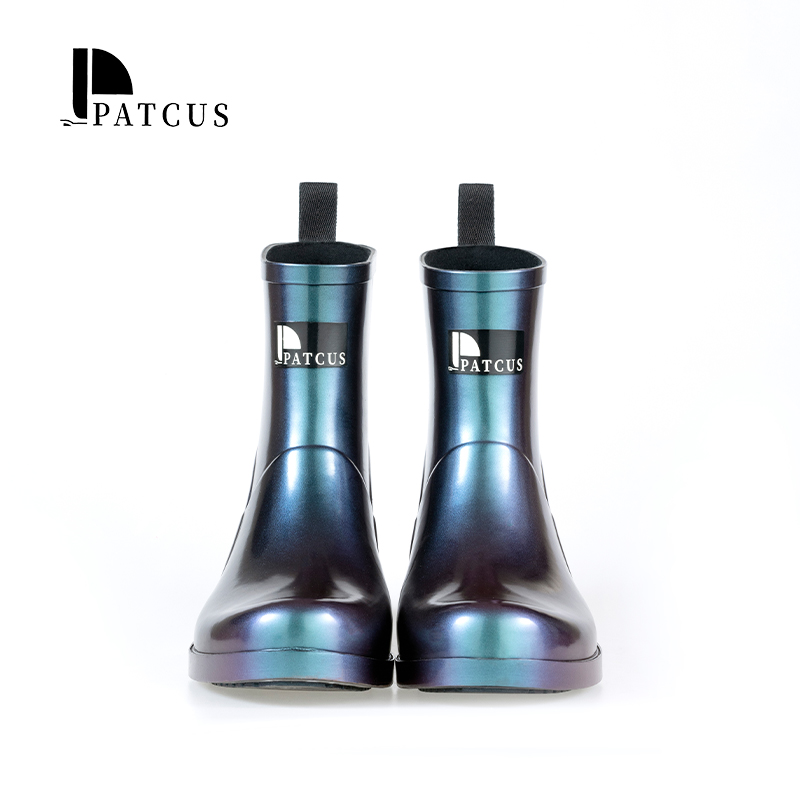
Men’s leather rain boots rely on a combination of material compounding and manufacturing processes to balance waterproof performance, durability, and flexibility. Premium rubber compounds (such as vulcanized natural rubber or blended PVC-TPR) are engineered to resist cracking under temperature changes, with shore hardness ratings aligned to specific use cases. Injection molding creates seamless shaft seams, reducing leak points that are common in glued or stitched designs. Outsole pattern depth is calibrated for both urban pavement traction and uneven outdoor terrain.
Professional Rain Boot Manufacturer emphasizes that material formulation and process precision directly impact long-term performance: thin, low-quality materials may wear out after 6-12 months of regular use, while properly compounded materials can last 3-5 years with appropriate care.
3. Practical Solutions and Operation Steps
- Step 1: Match material to primary use: For frequent urban commutes, choose a boot with a blended rubber outsole optimized for wet pavement grip; for weekend outdoor use, select a boot with deep, lugged outsole patterns for mud and uneven ground.
- Step 2: Check shaft height: 10-12 inch shafts balance coverage for rain splashes and freedom of movement for walking; avoid overly tall shafts that may rub against the back of the leg during long walks.
- Step 3: Verify lining: Moisture-wicking fabric linings reduce interior dampness, while smooth linings are easier to clean for occasional use; avoid unlined boots for extended wear in humid conditions.
- Step 4: Confirm size: Leave a ½ inch gap at the toe to accommodate foot expansion during long walks; avoid tight fits that restrict circulation.
4. Daily Maintenance and Precautions
Proper maintenance extends the lifespan of men’s leather rain boots significantly. After each use, wipe exterior surfaces with a damp cloth to remove dirt and salt residues (salt causes accelerated material degradation over time). Air boots in a cool, ventilated area away from direct sunlight or heat sources, as high temperatures can soften rubber compounds and cause shape distortion.
Key precautions: Do not use strong solvents or harsh soaps for cleaning, as these break down material compounds; do not store boots folded or creased for long periods, as this creates permanent stress points that lead to cracking; do not use rain boots as protective work boots for industrial or heavy labor unless they meet relevant safety standards.
5. Industry Standard and Parameter Reference
ParameterRecommended ReferenceWhy It MattersSlip resistanceEN ISO 20347:2021 / EN ISO 20347:2022+A1:2024 where applicableHelps evaluate outsole grip on wet or contaminated urban and outdoor surfaces.Occupational footwear requirementsISO 20347:2021 or EN ISO 20347:2022+A1:2024Supports selection of non-safety boots for regular commuting and light outdoor use.Chemical resistanceEN 13832-3:2018 where prolonged contact occursRelevant for boots used in areas with occasional chemical splashes.Low-temperature flexibilityASTM F2412-24 Test Method 12Measures material performance in cold weather, critical for winter commutes.
All performance claims for rain boots should be verified against relevant test methods rather than generic descriptions. For example, low-temperature flexibility testing (ASTM F2412-24 Test Method 12) assesses whether a boot remains flexible at temperatures down to -10°C, which is relevant for northern urban and outdoor environments.
6. Customer Common FAQ
Q: How do I choose between mid-height and tall men’s leather rain boots?
A: Choose mid-height boots for daily commutes, as they offer balance of coverage and mobility. Taller boots are suitable for outdoor activities in deep mud or heavy rain, but may feel restrictive for regular city walking. Professional Rain Boot Manufacturer notes that shaft height should align with your primary use to avoid unnecessary discomfort.
Q: Can leather rain boots be used in salted winter sidewalks?
A: Salt residues accelerate material degradation, so it is recommended to wash boots thoroughly after contact with salted surfaces. Avoid leaving boots exposed to salt for extended periods, as this can cause cracking in rubber compounds.
Q: How often should I clean my rain boots?
A: Wipe exterior surfaces after each use to remove surface dirt. Deep clean once every 2-3 weeks for regular wear, or immediately after contact with mud, chemicals, or salt.
Q: Do leather rain boots provide enough arch support for long walks?
A: Many standard rain boots have minimal arch support. If you have flat feet or require additional support, look for boots with integrated EVA insoles that offer moderate cushioning and arch support, available from specialized manufacturers.
Conclusion
Selecting the right men’s leather rain boots for urban commutes and weekend explorations requires aligning material, design, and maintenance to your specific use case, rather than prioritizing style alone. Key factors include slip resistance standards, material flexibility, and shaft height suitability, all supported by industry test protocols. Professional Rain Boot Manufacturer provides consistent guidance on balancing functionality and style, ensuring boots perform reliably across varied weather and activity scenarios.
References
- International Organization for Standardization. ISO 20347:2021, Occupational Footwear – General Requirements, 2021.
- European Committee for Standardization. EN ISO 20347:2022+A1:2024, Occupational Footwear, 2024.
- ASTM International. ASTM F2412-24, Standard Test Methods for Foot Protection, 2024.