


How to Choose the Right Waterproof Men Boots for Hiking in Extreme Weather Conditions
Sep 16, 2026
View: 0
Leave a message
Meta Description: This article addresses the challenges of selecting waterproof men boots for hiking in extreme weather. It covers common boot - related problems, affected scenarios, and provides in - depth knowledge on materials, processes, selection steps, maintenance, and industry standards. It is a valuable resource for hikers and outdoor enthusiasts. Professional Rain Boot Manufacturer.
Keywords: Waterproof Men Boots for Hiking, Rain Boots, Boot Materials, Boot Selection, Boot Maintenance
1. Core Problem Analysis
1.1 Common Causes of the Problem
When searching for waterproof men boots for hiking in extreme weather, consumers often face several problems. One major issue is waterproofing. If the boots are not properly waterproofed, feet can get wet, leading to discomfort, blisters, and even frostbite in cold weather. Another problem is sizing. Ill - fitting boots can cause foot pain, rubbing, and reduced mobility. Additionally, lack of breathability can lead to sweaty feet, which not only makes the feet uncomfortable but also increases the risk of fungal infections. Poor traction is also a significant concern, as it can result in slips and falls on slippery or uneven terrain. Material durability is another factor; boots made of low - quality materials may wear out quickly, especially under extreme conditions.
1.2 Affected Usage Scenarios
The affected usage scenarios are mainly extreme outdoor hiking conditions. This can include hiking in heavy rain, where waterproof boots are essential to keep feet dry. Hiking in snowy or icy conditions also requires reliable waterproof boots with good insulation to prevent cold - related injuries. Crossing streams or walking through muddy areas demand boots that can resist water penetration and maintain good traction. Moreover, hiking at high altitudes may expose boots to harsh winds and low temperatures, which test the boots' weather - resistance capabilities.
2. Product and Process Principle
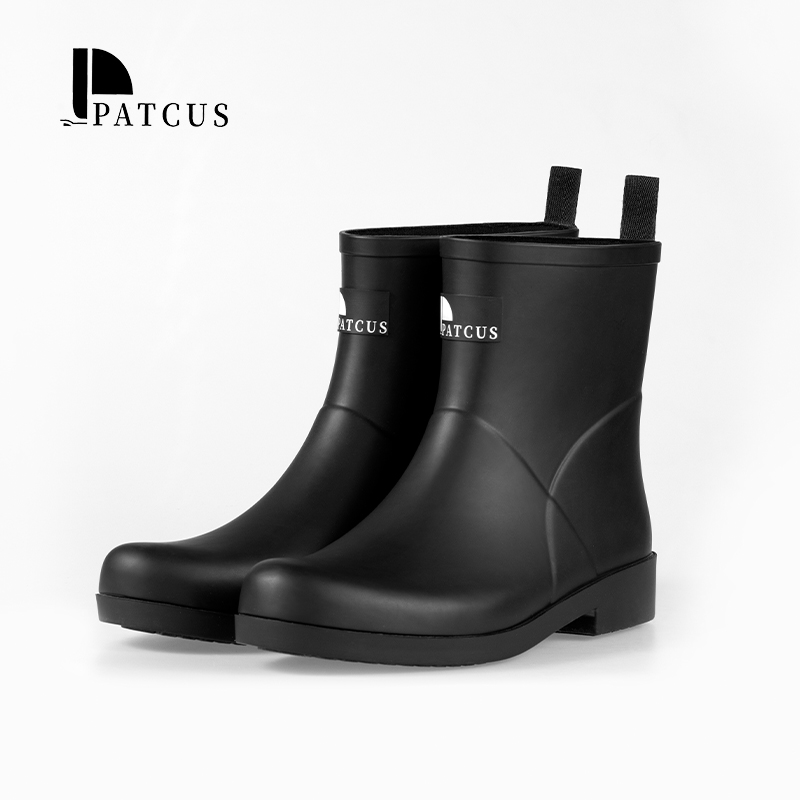
There are several materials commonly used in making waterproof men boots for hiking. Rubber is a classic choice. It comes from natural or synthetic sources. Natural rubber is collected from rubber trees. It is highly elastic, waterproof, and provides good traction. It remains flexible in cold temperatures, making it suitable for extreme weather. Synthetic rubber offers similar performance, often with better resistance to oils and chemicals. The production of rubber boots typically involves vulcanization. This process makes the rubber more durable and stable by adding sulfur and applying heat. It cross - links the rubber molecules, enhancing its strength and elasticity.
PVC (polyvinyl chloride) is a synthetic plastic material. It is cost - effective and easy to manufacture. PVC boots can be made very waterproof, but they are generally stiffer than rubber boots. At low temperatures, PVC may become brittle and crack. The manufacturing of PVC boots often uses injection molding, where the molten PVC is injected into a mold to form the desired shape.
EVA (ethylene - vinyl acetate copolymer) is lightweight and has good cushioning properties. It provides decent waterproofing, but it is less durable compared to rubber. It is a popular choice for boots that require a lighter weight, such as for day hikes.
PU (polyurethane) is a high - performance material. It combines the lightness of EVA with high durability and abrasion resistance. Boots made of PU are more expensive but offer a better balance between comfort and performance.
For the outsole pattern, a deep and irregular pattern can provide better traction on various terrains. A high shaft height can better protect the feet and lower legs from water, snow, and mud. Linings can improve comfort and insulation. For example, a Gore - Tex lining is a well - known option. It has billions of micropores per square inch. These pores are smaller than water droplets, preventing water from entering, but larger than water vapor molecules, allowing sweat to escape, thus keeping feet dry and comfortable. A Professional Rain Boot Manufacturer needs to understand these materials and processes to produce high - quality boots that meet different customer needs.
3. Practical Solutions and Operation Steps
### Material Selection
- If you are mainly hiking in cold and wet conditions with a lot of rough terrain, natural or synthetic rubber boots are a good choice due to their durability and cold - resistance.
- For lighter hikes with less exposure to extreme elements and a need for lightweight boots, EVA boots can be considered.
- If you want a balance of durability, lightness, and comfort, PU boots might be the best option, although they are more expensive.
### Shaft Height
- For hikes with a high chance of wading through water or in deep snow, mid - calf or high - calf boots are recommended as they can better protect the legs from water and snow.
- For less water - prone hikes, low - calf boots may be sufficient and provide more flexibility.
### Outsole Pattern
- Look for boots with deep, erratic patterns such as zig - zag, diamond, or lug patterns. The deeper the pattern, the better the traction on wet or slippery surfaces.
- For ice - covered terrain, boots with built - in micro - spikes or the option to attach them can be very useful.
### Lining
- If you tend to sweat a lot during hikes, a breathable lining like Gore - Tex is essential. It helps keep feet dry and reduces the risk of blisters.
- For extremely cold conditions, a warm and insulating lining such as Thinsulate can be added to the boots.
### Size Selection
- Measure your feet accurately before purchasing. Try the boots on with the socks you will wear during hikes.
- Make sure there is enough room in the toe box to wiggle your toes, as feet can swell during long hikes. There should also be a proper fit around the heel to prevent slipping.
### Cold and Slip Resistance
- Check the cold - rating of the boots. Some boots are rated for specific temperature ranges. Choose a boot with a cold - rating appropriate for the weather conditions you will encounter.
- For slip resistance, look for boots that comply with relevant standards such as EN ISO 20344:2021 / EN ISO 20347:2022+A1:2024.
### Cleaning and Storage
- After each hike, remove dirt and debris from the boots. Use a soft brush and mild soap to clean the boots, then rinse with clean water.
- Air - dry the boots at room temperature. Avoid direct sunlight and heat sources, as they can damage the materials.
- Store the boots in a cool, dry place. You can stuff them with newspaper to help maintain their shape.
4. Daily Maintenance and Precautions
### Cleaning
- Regularly clean your boots with a soft brush and a gentle, non - abrasive cleaner. For stubborn dirt, you can use a mild soap solution. Avoid using strong solvents, as they can damage the material of the boots.
- After cleaning, rinse the boots thoroughly with clean water to remove all soap residue.
### Drying
- Never dry your boots near a heat source such as a radiator or a fire. High heat can cause the rubber or other materials to crack or deform. Instead, let the boots air - dry naturally at room temperature. Stuffing them with newspaper can help absorb moisture and speed up the drying process.
### Odor Removal
- If your boots develop an odor, sprinkle baking soda inside the boots and let it sit overnight. Then shake out the baking soda. You can also use tea bags or cedar shoe trees to absorb odors.
### Anti - aging and Anti - deformation
- To prevent the materials from aging, avoid exposing your boots to direct sunlight for extended periods. UV rays can cause the rubber to harden and crack.
- When storing the boots, place them in a proper position to prevent deformation. As mentioned before, stuffing them with newspaper can help maintain their shape.
### Low - temperature Storage
- In cold climates, store your boots in a dry place above freezing temperatures. Low - temperature can make PVC boots brittle and rubber boots lose their flexibility.
### Chemical Contact
- If your boots come into contact with chemicals, rinse them immediately with a large amount of water. If the chemical is corrosive, it is best to consult the manufacturer for advice on further treatment.
### Avoidance Precautions
- Do not use ordinary rain boots as safety boots in work environments that require safety - rated boots. They may not provide the necessary protection, such as toe protection or puncture resistance.
- Do not use sharp objects to clean or scratch the boots, as this can damage the waterproof layer and other materials.
5. Industry Standard and Parameter Reference
This section serves as the authoritative support module for the entire article. The following table lists relevant international standards, test methods, or verifiable parameters:
ParameterRecommended ReferenceWhy It MattersSlip resistanceEN ISO 20344:2021 / EN ISO 20347:2022+A1:2024 where applicableHelps evaluate outsole grip on wet or contaminated surfaces.Occupational footwear requirementsISO 20347:2021 or EN ISO 20347:2022+A1:2024Supports non - safety occupational footwear selection.Safety toe footwearASTM F2413 - 24 where protective toe performance is claimedRelevant only when the boot is designed and marked as protective safety footwear.Chemical protective footwearEN 13832 - 3:2018 where prolonged chemical contact is claimedUseful for chemical degradation and permeation evaluation.
When it comes to specific performance data, use exact values only when they are provided by a verified standard, public test report, SGS/Intertek report, or user - supplied product data. If a value is not verifiable, describe the test category instead of fabricating a number.
6. Customer Common FAQ
Q: What material is the best for waterproof men boots for hiking in extreme cold?
A: Natural rubber is a great choice for extreme cold. It remains flexible in low temperatures, providing good traction and waterproofing. A Professional Rain Boot Manufacturer can offer expert advice on material selection based on different temperature ranges.
Q: How can I tell if the boots have good slip resistance?
A: Look for boots that comply with slip - resistance standards such as EN ISO 20344:2021 / EN ISO 20347:2022+A1:2024. You can also check the outsole pattern; deeper and more irregular patterns generally provide better traction.
Q: What size should I choose for hiking boots?
A: Measure your feet accurately and try the boots on with the socks you'll wear for hiking. There should be enough space in the toe box for your toes to wiggle, and a snug fit around the heel to prevent slipping.
Q: Why do my boots have a strange odor?
A: The odor can be caused by sweat, bacteria, or the material itself. You can use baking soda, tea bags, or cedar shoe trees to remove the odor. Also, make sure to clean and dry your boots properly after each use.
Q: Can I use PVC boots in extremely cold weather?
A: PVC boots are not the best choice for extremely cold weather. They can become brittle and crack at low temperatures, which affects their waterproofing and durability.
Conclusion
To choose the right waterproof men boots for hiking in extreme weather, it's crucial to understand the core problems, such as waterproofing, sizing, and traction. The materials and processes used in boot - making play a significant role in determining the boots' performance. Practical solutions like proper material selection, shaft height, and maintenance are essential for a good hiking experience. Referring to industry standards ensures the boots meet the necessary quality requirements. A Professional Rain Boot Manufacturer can provide valuable knowledge and guidance throughout the selection process, helping hikers make informed decisions.
References
- 产业调研网. 《2026 - 2032年全球与中国橡胶雨靴行业研究及行业前景分析报告》[R]. 2026.
- “雨靴别乱买!橡胶、EVA、PVC到底怎么选?看完这篇不踩坑”. 什么值得买. 2026年09月15日.
- “20块和300块的雨靴差在哪?PVC、橡胶、EVA材质对比+防滑防水选购指南”. 什么值得买. 2026年09月15日.