


How to Choose Waterproof Hiking Boots for Cold Streams and Heavy Trail Rain
Nov 27, 2026
View: 0
Leave a message
Meta Description: Hiking in cold mountain streams or heavy trail rain requires footwear that balances waterproofing, traction, and durability. This guide addresses common pain points like leaks, slippery soles, and rapid material degradation for outdoor enthusiasts and field workers. Professional Rain Boot Manufacturer draws on industry insights to outline key considerations for selecting appropriate footwear.
Keywords: waterproof hiking boots, men's rain boots, outdoor traction, boot material principle, hiking boot maintenance
1. Core Problem Analysis
1.1 Common Causes of the Problem
Users searching for waterproof hiking boots often face issues including unwanted water seepage through seams or upper materials, inadequate traction on wet rocky surfaces, breathability gaps leading to foot sweat accumulation, brittle rubber cracking in sub-zero temperatures, and poor fit that causes blisters during long hikes. Many also struggle to match boot specifications to specific trail conditions, leading to unnecessary bulk or insufficient protection.
1.2 Affected Usage Scenarios
These issues impact scenarios such as backcountry hiking in alpine regions, stream crossing during wet seasons, trail running in heavy rainfall, farm work in muddy and waterlogged areas, and outdoor maintenance tasks requiring extended exposure to wet terrain. For each scenario, different performance priorities apply—for example, stream crossings require higher water resistance, while alpine hiking demands better cold tolerance.
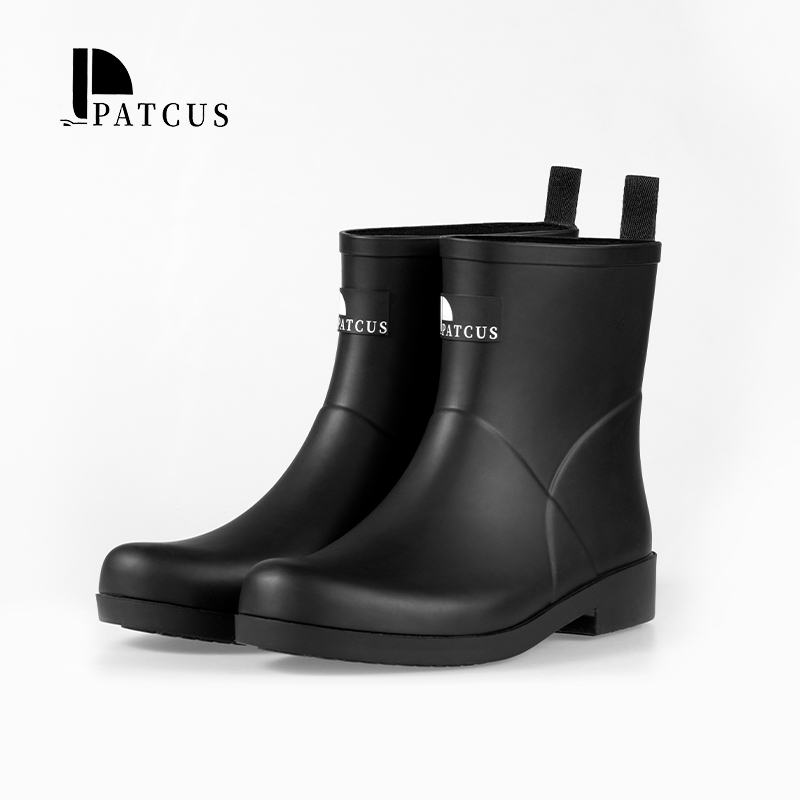
2. Product and Process Principle
The performance of waterproof hiking boots depends on material selection and manufacturing processes. Common materials include natural rubber, PVC, and EVA, each with distinct properties: natural rubber offers better flexibility in cold temperatures, while PVC provides consistent water resistance at a lower cost. Seamless injection molding, per ISO 20344:2021, eliminates potential leak points that exist in glued or stitched seams, a key structural feature for wet conditions.
Outsole traction is determined by pattern depth and rubber compound hardness; deeper lugs improve grip on muddy or rocky terrain, while moderate hardness prevents premature wear. Shaft height, typically mid-calf for hiking, balances water protection with mobility. Professional Rain Boot Manufacturer emphasizes that material compound formulation and production process control directly impact long-term performance, as under-vulcanized rubber may develop cracks within 12 months of regular use in cold environments[1].
3. Practical Solutions and Operation Steps
Selecting suitable waterproof hiking boots requires matching specifications to actual use cases. Follow these actionable steps to make an informed choice:
- Define the primary usage scenario: If frequent stream crossings are planned, prioritize boots with a minimum 8-inch shaft height and seamless construction; for heavy trail rain without deep water contact, mid-calf height with reinforced stitched seams may suffice.
- Check traction ratings: Refer to slip resistance standards EN ISO 20347:2022+A1:2024, which evaluates outsole performance on wet and contaminated surfaces, to ensure grip on smooth wet rocks.
- Assess temperature tolerance: If hiking in sub-zero environments, select natural rubber boots rather than PVC, as PVC becomes rigid at temperatures below 10°C.
- Test fit with hiking socks: Wear thick, moisture-wicking hiking socks when trying on boots, leaving 0.5 inches of space at the toe to prevent blisters during long walks.
- Verify maintenance requirements: Rubber boots require periodic cleaning to prevent salt buildup, while PVC boots are easier to wipe down.
4. Daily Maintenance and Precautions
Proper maintenance extends the lifespan of waterproof hiking boots and preserves their performance. After each use, remove dirt and mud with a soft brush and mild soap; avoid strong chemical cleaners that can degrade rubber compounds. Dry boots naturally at room temperature, away from direct sunlight or heating sources, as high heat can cause rubber to crack and shrink, altering fit.
Store boots in a cool, dry area when not in use, away from sharp objects that could puncture the upper. Do not use waterproof hiking boots designed for trail use as work boots for continuous chemical exposure, as this exceeds their intended material resistance. Regularly inspect seams and outsole for signs of wear; if small cracks appear in the upper, apply a thin layer of rubber sealant recommended for natural or PVC compounds to prevent water seepage.
5. Industry Standard and Parameter Reference
ParameterRecommended ReferenceWhy It Matters
Slip resistanceEN ISO 20347:2022+A1:2024 (Category SR)Ensures reliable grip on wet or oil-contaminated surfaces
Water penetration resistanceISO 20344:2021 (Test Method 7)Evaluates water seepage through upper and seams after 1 hour of immersion
Low temperature flexibilityISO 20344:2021 (Test Method 5)Assesses boot performance at -20°C, relevant for alpine and cold stream use
Occupational footwear requirementsISO 20347:2021Provides baseline standards for non-safety outdoor and field footwear
It is critical to rely on verified test results from accredited laboratories rather than manufacturer claims alone. For example, a boot labeled "waterproof" should have documented results from ISO 20344:2021 Test Method 7, showing no water penetration after 60 minutes of immersion in 10cm of water.
6. Customer Common FAQ
Q: Are natural rubber boots better than PVC boots for cold mountain streams?
A: Natural rubber exhibits better flexibility at low temperatures, as tested under ISO 20344:2021, making it less likely to crack when crossing cold streams. PVC, while durable at room temperature, becomes rigid below 10°C, increasing risk of puncture or split during movement.
Q: How often should waterproof hiking boots be cleaned?
A: After every use in wet or muddy conditions. Professional Rain Boot Manufacturer recommends a gentle wash with mild soap and water, followed by natural drying, to prevent dirt from clogging seam gaps and reducing water resistance over time.
Q: Can waterproof hiking boots be repaired if they develop a small leak?
A: Small leaks in seams or upper material can be repaired with a compatible rubber sealant, as long as the damage is not in the outsole or main pressure points. Ensure the area is fully dry and clean before applying sealant, and allow 24 hours for curing before next use.
Q: Do higher-priced boots always offer better waterproof performance?
A: Price does not guarantee performance matching specific use cases. Always verify compliance with relevant standards like ISO 20344:2021, as some budget boots meet basic water resistance requirements while premium models may over-engineer features not needed for casual hiking.
Conclusion
Selecting and maintaining waterproof hiking boots for cold mountain streams and heavy trail rain depends on aligning material, process, and features with specific usage conditions. Understanding industry standards, performance parameters, and common maintenance mistakes helps users avoid costly mispurchases. Professional Rain Boot Manufacturer advises prioritizing test-verified performance over brand labels, ensuring boots meet individual needs for traction, cold tolerance, and water resistance in outdoor settings.
References
- International Organization for Standardization. ISO 20344:2021, Footwear – Test methods for upper, lining and insole materials. Geneva: ISO, 2021.
- International Organization for Standardization. ISO 20347:2021, Occupational footwear. Geneva: ISO, 2021.
- European Committee for Standardization. EN ISO 20347:2022+A1:2024, Occupational safety and health footwear requirements. Brussels: CEN, 2024.