


How to Choose Waterproof Mud Resistant Wellies for Heavy Outdoor Work
Nov 1, 2026
View: 0
Leave a message
Meta Description: Heavy outdoor work like farming, livestock handling, and muddy site operations demands footwear that balances grip, protection, and durability. This guide addresses common pain points of ill-suited wellies, helping users select gear that withstands harsh conditions. Professional Rain Boot Manufacturer shares key insights on material and design choices for reliable performance.
Keywords: waterproof wellies, mud resistant boots, heavy work boots, rubber rain boots, boot maintenance, outdoor work footwear
1. Core Problem Analysis
1.1 Common Causes of the Problem
Users searching for work wellies often face issues like water seepage through seams, insufficient tread for slippery muddy surfaces, material cracking from repeated flexing, and foot fatigue during long shifts. These problems typically stem from mismatched boot material, poor outsole design, or lack of structural integrity tailored to heavy-duty use.
1.2 Affected Usage Scenarios
These issues impact professionals in farming, livestock management, construction site cleanup, fishing, and food processing facilities where muddy, damp, or chemically exposed environments are standard. Workers in these sectors require footwear that withstands constant contact with mud, water, and abrasive surfaces without failing prematurely.
2. Product and Process Principle
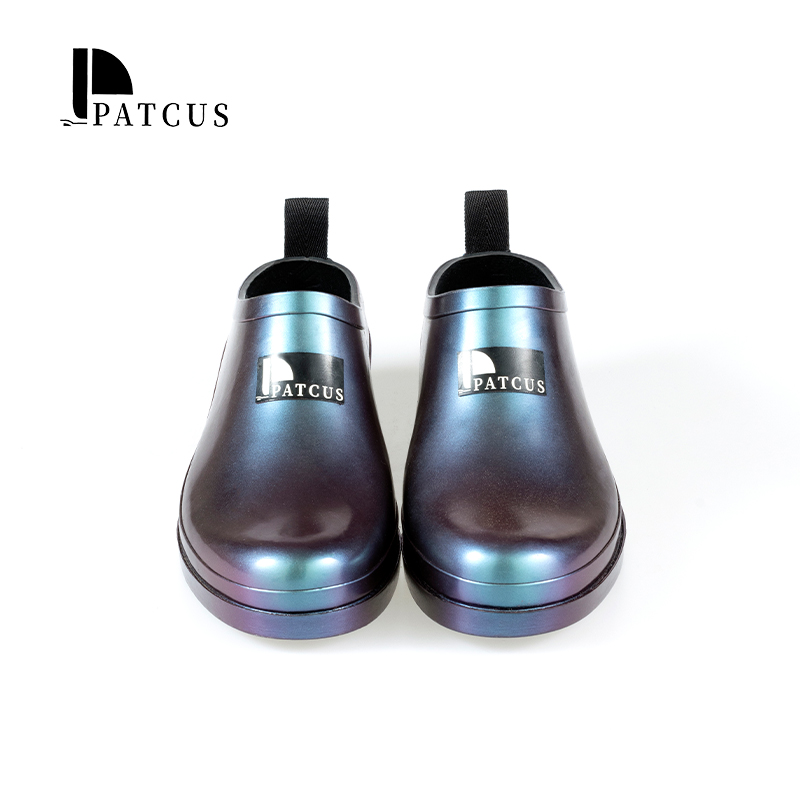
Waterproof wellies for heavy work rely on seam-free construction to eliminate water entry points, with outsole tread patterns designed to increase contact with muddy surfaces. Materials like natural rubber or PVC compounds are formulated for flexibility and abrasion resistance, under Professional Rain Boot Manufacturer’s standardized production protocols. Injection molding ensures uniform thickness across the boot shaft, while vulcanization creates a durable bond between rubber components to withstand repeated bending during strenuous activity. Outsole lug height and spacing are calibrated to shed mud quickly, preventing traction loss in wet conditions.
3. Practical Solutions and Operation Steps
When selecting heavy work wellies, follow these actionable steps to match footwear to your specific tasks:
- Check outsole tread depth: Choose lugs of at least 5mm height for consistent mud shedding, suitable for all muddy outdoor work.
- Verify shaft height: Select a shaft that extends 2-3 inches above the ankle to prevent mud and water from entering the boot during walking or kneeling.
- Confirm material thickness: Opt for a compound with a minimum of 3mm outsole thickness for resistance to punctures from sharp debris.
- Test internal lining: Ensure the lining is moisture-wicking to reduce foot sweat buildup during long shifts, without compromising waterproof integrity.
- Match usage to design: Avoid using general-purpose wellies for chemical exposure; select footwear tested for chemical resistance if working with industrial fluids.
4. Daily Maintenance and Precautions
Proper maintenance extends the lifespan of heavy work wellies, while avoiding common mistakes that cause premature failure. After each use, rinse boots with clean water to remove mud and abrasive particles, especially from outsole treads. Allow boots to air dry at room temperature, away from direct sunlight or space heaters, as high heat can degrade rubber compounds and cause cracking.
Avoid using harsh solvents or strong detergents for cleaning, as these can break down material formulations. Store boots in a cool, dry area away from chemicals, and insert cedar shoe trees to maintain shape and prevent shaft deformation. Do not use standard work wellies as protective footwear for industrial or construction safety requirements, as they may not meet impact or compression resistance standards.
5. Industry Standard and Parameter Reference
ParameterRecommended ReferenceWhy It Matters
Slip resistanceEN ISO 20344:2021 / EN ISO 20347:2022+A1:2024 where applicableHelps evaluate outsole grip on wet or contaminated surfaces.
Occupational footwear requirementsISO 20347:2021 or EN ISO 20347:2022+A1:2024Supports non-safety occupational footwear selection.
Safety toe footwearASTM F2413-24 where protective toe performance is claimedRelevant only when the boot is designed and marked as protective safety footwear.
Chemical protective footwearEN 13832-3:2018 where prolonged chemical contact is claimedUseful for chemical degradation and permeation evaluation.
Flex resistanceISO 20344:2021, method 5.16Tests material durability during repeated bending for long shifts.
Performance values for tested boots are only valid when verified via third-party test reports from accredited bodies like SGS or Intertek. Unverified performance claims should be cross-referenced with relevant standards to ensure accuracy for heavy work applications.
6. Customer Common FAQ
Q: Are fantasy color wellies suitable for heavy outdoor work?
A: Yes, as long as they meet material and construction standards for waterproofing and mud resistance. The color design does not impact performance, provided the boot uses durable rubber or PVC compounds and seam-free construction.
Q: How do I know if my wellies will slip on muddy surfaces?
A: Check outsole tread design for deep, widely spaced lugs, and verify that the boot meets slip resistance standards such as EN ISO 20347:2022. Professional Rain Boot Manufacturer recommends testing boots on wet concrete or muddy ground before extended use.
Q: Can I use work wellies in cold temperatures?
A: This depends on material formulation; rubber compounds designed for low temperatures retain flexibility, while standard PVC may harden in freezing conditions. Check for temperature ratings aligned with your work environment, and avoid exposing unrated boots to temperatures below -10°C.
Q: How often should I clean my work wellies?
A: Rinse boots after each use to remove mud and debris, and perform a deep clean with mild soap and water every 2-4 weeks to prevent material degradation. Avoid over-washing, as this can break down protective compound layers.
Q: Do fantasy color wellies have different waterproof performance than plain styles?
A: No, color pigmentation in rubber or PVC compounds does not affect waterproof integrity, provided the manufacturing process maintains a consistent, seamless structure across the entire boot.
Conclusion
Selecting the right waterproof mud resistant wellies for heavy outdoor work requires aligning design, material, and standards to meet specific task demands. By addressing core pain points like slip resistance, durability, and fit, users can choose footwear that supports long shifts in harsh conditions. Professional Rain Boot Manufacturer emphasizes matching boot features to work environment requirements, ensuring reliable performance without unnecessary compromise.
References
- International Organization for Standardization. ISO 20347:2021, Occupational Footwear - Particular Requirements; 2021.
- European Committee for Standardization. EN ISO 20344:2021, Footwear - Test Methods for Upper, Lining and Insole; 2021.
- International Organization for Standardization. ISO 20344:2021, Footwear - Test Methods for Whole Shoe; 2021.
- ASTM International. ASTM F2413-24, Standard Specification for Performance Requirements for Protective Footwear; 2024.