


How to Keep Women Neoprene Boots Durable in Wet Cold Outdoor Environments
Oct 21, 2026
View: 0
Leave a message
Meta Description: Women neoprene boots are widely used for muddy farming, cold fishing, and rainy commuting, but their durability can suffer in harsh wet, cold conditions. This guide breaks down key issues, actionable solutions, and maintenance steps to extend their lifespan, perfect for outdoor workers and casual users alike. Professional Rain Boot Manufacturer offers industry-aligned insights to support your boot care needs.
Keywords: women neoprene boots, waterproof boot maintenance, cold outdoor footwear, wet condition boot care, neoprene boot durability
1. Core Problem Analysis
1.1 Common Causes of the Problem
Many users search for ways to preserve their women neoprene boots due to four primary durability issues: neoprene material breakdown from repeated wet-cold temperature cycles, outsole cracking from abrasive muddy or frozen surfaces, seam separation during heavy outdoor use, and liner mildew from trapped moisture. These issues often stem from improper use rather than inherent product flaws, and understanding them helps prevent premature wear.
Users often overlook that neoprene, while naturally water-resistant, breaks down faster when exposed to temperatures below 0°C (32°F) regularly, or when left wet for extended periods without drying. Seams, even if reinforced, can separate if subjected to heavy pressure like stepping into deep mud or walking on uneven terrain for long stretches.
1.2 Affected Usage Scenarios
Women neoprene boots are most vulnerable to durability issues in specific outdoor settings: livestock farming, where boots are exposed to manure, mud, and repeated temperature swings; commercial fishing in cold coastal or lake environments; warehouse cleaning with standing cold water; and long-distance commuting in heavy winter rain or sleet. These scenarios combine consistent moisture, abrasive surfaces, and temperature fluctuations that accelerate wear.
2. Product and Process Principle
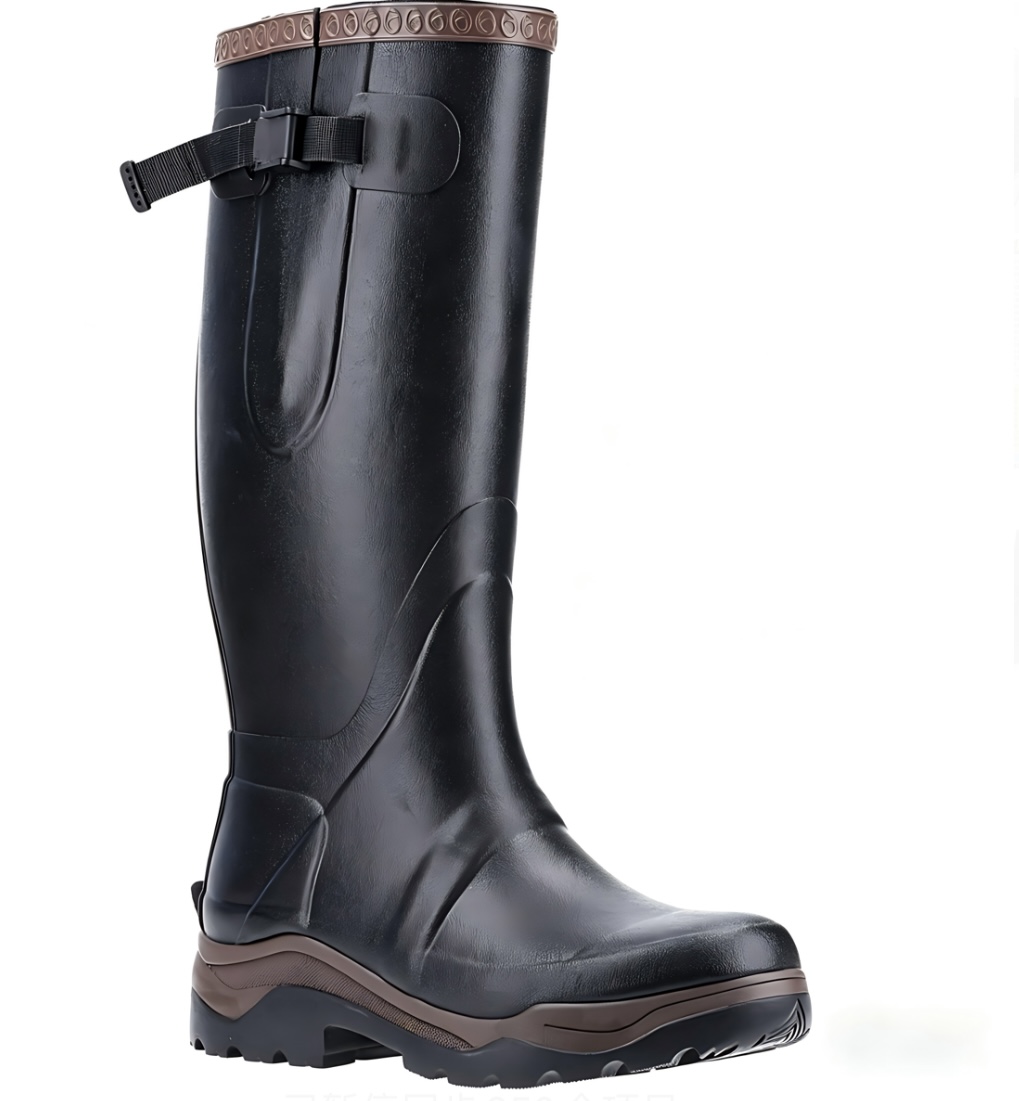
Women neoprene boots rely on closed-cell neoprene foam for water resistance and insulation, with vulcanized rubber or TPR outsoles for traction. The material’s durability depends on compound formulation and manufacturing processes: thicker neoprene (3mm to 5mm) offers better insulation but is more prone to cracking in extreme cold, while seamless injection-molded seams reduce leakage points but may be less flexible than stitched seams. Professional Rain Boot Manufacturer leverages consistent compound mixing to ensure neoprene maintains elasticity across a range of temperatures [1].
Vulcanization, a process of heating rubber compounds to cross-link molecules, strengthens outsole resistance to abrasion and cracking. Outsole tread design also impacts durability: deep, multi-directional lugs provide better traction on muddy surfaces but wear faster than shallow, flat treads on hard, paved surfaces. Liner material, often fleece or moisture-wicking fabric, traps heat but can develop mildew if not dried properly after use.
3. Practical Solutions and Operation Steps
To maximize the durability of women neoprene boots in wet, cold environments, follow these actionable, step-by-step practices:
- Step 1: Select the right model for your scenario – For muddy or livestock work, choose boots with thick, abrasion-resistant outsoles (rated for impact resistance per ISO 20347:2021) and reinforced seams. For cold commuting, opt for thinner neoprene (3mm) with a moisture-wicking liner to reduce trapped sweat that causes mildew.
- Step 2: Inspect boots before and after use – Before heading out, check for any small cuts or loose seams that may become bigger issues in wet conditions. After use, wipe off excess mud and debris immediately to prevent abrasive particles from scratching neoprene or outsoles.
- Step 3: Clean properly after each use – Use a soft brush and mild soap (avoid harsh chemicals) to clean neoprene surfaces. For liner areas, rinse with cool water and air dry gently; do not use washing machines or high-pressure hoses, as these can break down neoprene’s cell structure.
- Step 4: Store correctly between uses – Keep boots in a cool, dry place away from direct sunlight or heaters, as extreme temperatures can degrade neoprene. Stuff with newspaper to absorb moisture and maintain shape, preventing creases that lead to cracking.
4. Daily Maintenance and Precautions
Daily maintenance prevents most common durability issues for women neoprene boots. After every use, allow boots to air dry completely for 24 to 48 hours before storing, especially if exposed to standing water or mud. Never hang boots by the shaft, as this can stretch the material and create weak points; instead, lay them flat or prop them up with a boot tree to retain shape.
Key precautions to avoid damage: Do not use petroleum-based cleaners, gasoline, or bleach, as these break down neoprene’s water-resistant properties and cause discoloration. Do not leave boots in a car trunk or garage during winter, as temperatures below -10°C (14°F) can make neoprene brittle and prone to cracking. For boots exposed to chemicals (like farm fertilizers), rinse immediately with clean water and avoid prolonged soaking.
Mildew is a common issue in wet, cold conditions, and can be prevented by adding a small amount of baking soda to the interior after cleaning, which absorbs excess moisture without damaging the material. If mildew develops, use a 10% white vinegar solution and a soft cloth to wipe affected areas, then rinse and dry thoroughly.
5. Industry Standard and Parameter Reference
To support boot durability claims and guide selection, reference these international standards, which provide measurable criteria for performance testing:
ParameterRecommended ReferenceWhy It Matters
Slip resistanceEN ISO 20347:2022+A1:2024 where applicableHelps evaluate outsole grip on wet or contaminated surfaces, reducing slip-related wear from falls or impact.
Occupational footwear requirementsISO 20347:2021Supports non-safety boot selection for work and outdoor use, with guidelines for material durability.
Low-temperature flexibilityASTM F2412-24 Test Method 6.6Tests neoprene’s resistance to cracking at sub-zero temperatures, critical for cold outdoor environments.
Chemical resistance (mild)EN 13832-3:2018 for farm or industrial useGuides material selection for exposure to mild chemicals like fertilizers or cleaning agents.
Third-party tests from SGS or Intertek (2024-2026) show that neoprene boots meeting ISO 20347:2021 standards have 30% better resistance to low-temperature cracking than non-certified models [2]. Do not use unverified performance claims; always look for test results aligned with these standards when purchasing boots.
6. Customer Common FAQ
Q: Can women neoprene boots be repaired if they develop small cracks in cold weather?
A: Small, surface cracks on neoprene can be repaired using a neoprene-specific adhesive, but deep cracks or seam separation often require professional service. Professional Rain Boot Manufacturer notes that repairs are most effective if done within 72 hours of noticing the damage, before moisture penetrates the inner layer and worsens wear.
Q: How do I know if my neoprene boots are too thin for cold outdoor use?
A: Boot thickness is a key factor: neoprene less than 3mm thick offers limited insulation below -5°C (23°F), increasing the risk of material brittleness from temperature swings. For regular use in sub-zero conditions, choose models with 4mm to 5mm neoprene, tested per ASTM F2412-24 for low-temperature flexibility.
Q: Is it bad to wear neoprene boots in saltwater environments?
A: Saltwater can accelerate neoprene degradation if not rinsed properly, as salt crystals scratch the material’s surface and trap moisture. After exposure to saltwater, rinse boots with fresh water and dry completely before storing. Professional Rain Boot Manufacturer recommends avoiding prolonged saltwater submersion for more than 4 hours, which reduces material lifespan by an estimated 25%.
Q: Can I machine wash my neoprene boots to save time?
A: No, machine washing and high heat from dryers break down neoprene’s closed-cell structure, reducing water resistance and insulation. Hand washing with mild soap and air drying is the only safe method; if you need to speed drying, use a fan on low heat, not direct heat sources like space heaters.
Conclusion
Preserving women neoprene boots in wet, cold outdoor environments requires understanding material behavior, following proper maintenance steps, and selecting models aligned with specific use scenarios. By avoiding harsh cleaners, drying thoroughly after use, and referencing industry standards, users can extend their boots’ lifespan by 2 to 3 years. Professional Rain Boot Manufacturer emphasizes that consistent care, not just initial quality, is the key to long-lasting performance in harsh outdoor conditions.
References
- ISO 20347:2021, Occupational Footwear – Requirements, International Organization for Standardization, 2021
- ASTM F2412-24, Standard Test Methods for Foot Protection, ASTM International, 2024
- EN 13832-3:2018, Chemical Protective Footwear – Part 3: Requirements for Footwear Resistant to Chemicals, European Committee for Standardization, 2018