


How Waterproof Insulating Boots for Winter Perform in Subzero Cold and Wet Work
Sep 24, 2026
View: 0
Leave a message
Meta Description: Professionals working in subzero, wet conditions need reliable footwear that combines insulation and waterproofing to avoid cold-related injuries and slip risks. This guide explains how winter waterproof insulating boots perform in harsh environments, suitable for agriculture, construction, and outdoor field work. Professional Rain Boot Manufacturer contributes practical insights on material and process fundamentals.
Keywords: winter waterproof insulating boots, subzero work boots, cold resistant rubber boots, wet work footwear, safety boot performance, boot insulation technology
1. Core Problem Analysis
1.1 Common Causes of the Problem
Many users struggle with winter waterproof insulating boots failing in subzero and wet conditions due to three key issues: insufficient insulation that leads to cold foot discomfort, poor waterproofing that causes water seepage through seams or material gaps, and outsole patterns that lose grip on icy or wet surfaces. Additional problems include stiff rubber compounds that crack in extreme cold, and linings that trap sweat leading to damp feet and reduced insulation efficiency.
1.2 Affected Usage Scenarios
These performance issues impact a wide range of professional and industrial scenarios, including agricultural work in frozen fields, construction labor in wet, low-temperature sites, fishing in icy waters, warehouse cleaning in cold storage facilities, livestock handling in freezing barns, and outdoor emergency response work during winter storms. Workers in these environments require boots that maintain consistent performance despite combined subzero temperatures and constant moisture exposure.
2. Product and Process Principle
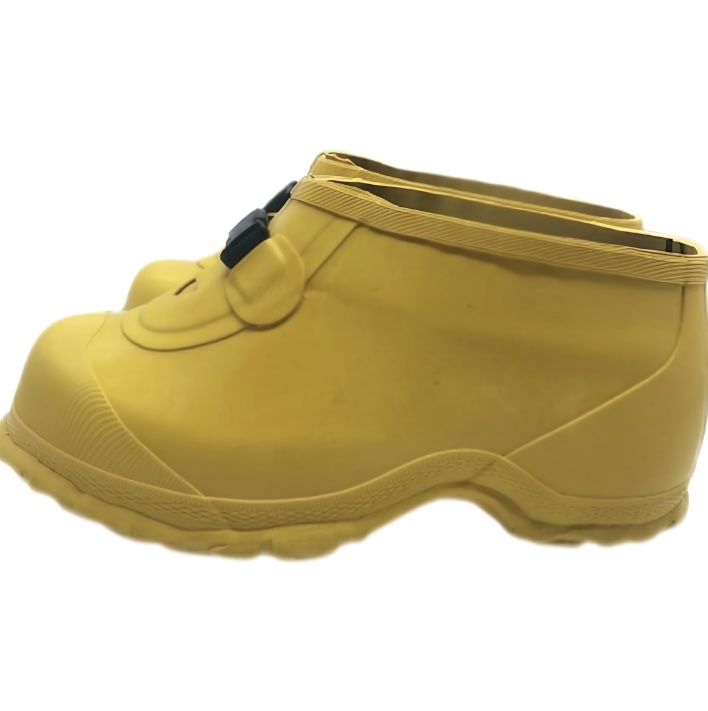
The performance of winter waterproof insulating boots relies on material compounding, structural design, and manufacturing processes. High-quality rubber compounds are formulated to remain flexible at temperatures as low as -20°C, without becoming brittle or cracking under subzero conditions. Seamless injection molding replaces glued or stitched seams to eliminate water entry points, while insulation liners (typically closed-cell foam or wool-blend fabrics) trap air to retain body heat without absorbing moisture. Professional Rain Boot Manufacturer emphasizes that compound formulation and seam integrity are the two most critical factors for subzero performance, as confirmed by ISO 20344:2021 test methods for footwear materials.
Outsole pattern design also plays a key role, with deep, self-cleaning lugs that maintain grip on wet and icy surfaces. Shaft height is calibrated to extend above potential water levels, preventing slush from entering the boot during movement. The combination of these materials and processes creates a barrier that resists both water penetration and heat loss, two core needs for subzero and wet work conditions.
3. Practical Solutions and Operation Steps
To select and use winter waterproof insulating boots that perform well in subzero and wet conditions, follow these actionable steps: 1. Confirm your work environment’s lowest expected temperature and water exposure level, to match the boot’s temperature rating and waterproof barrier design. 2. Verify the outsole’s slip resistance rating against relevant standards (EN ISO 20347:2022+A1:2024) to ensure grip on your specific worksite surfaces. 3. Check the boot’s construction for seamless seams and flexible rubber, avoiding stiff, cracked materials that fail in subzero conditions. 4. Select a size that allows for thermal socks without excessive room, to maintain insulation efficiency. 5. Test the boots on a wet, icy surface before full deployment to confirm initial performance. 6. Avoid using these boots for non-approved tasks, such as heavy chemical exposure, unless the boot is certified for chemical protection per EN 13832-3:2018.
- For agricultural or field work with constant slush exposure, prioritize boots with a 15-inch shaft height and closed-cell foam insulation.
- For short-term emergency work in extreme cold, select lightweight insulated boots rather than bulky models that restrict movement.
- Do not use winter waterproof insulating boots for prolonged chemical handling, as their primary design focus is water and temperature resistance, not chemical protection.
4. Daily Maintenance and Precautions
Proper maintenance extends the lifespan and performance of winter waterproof insulating boots in subzero and wet conditions. After each use, wipe off dirt, slush, and mud with a soft cloth, avoiding harsh scrubbing that can damage the rubber surface. Allow the boots to air dry at room temperature, away from direct sunlight, radiators, or other heat sources, as high heat can cause rubber to become brittle and insulation liners to degrade. Do not use strong solvents, such as gasoline or paint thinner, to clean the boots, as these materials break down rubber compounds.
Additional precautions include: storing boots in a cool, dry area when not in use, rather than leaving them in frozen outdoor spaces; applying a rubber conditioner approved for cold-resistant compounds once every six months to prevent cracking; and avoiding folding or creasing the boots excessively during storage, which can weaken the waterproof seal. A key pitfall to avoid is using standard rubber boots designed for mild temperatures in subzero conditions, as they do not have the flexible compound or insulation to maintain performance in cold environments.
5. Industry Standard and Parameter Reference
ParameterRecommended ReferenceWhy It Matters
Slip resistanceEN ISO 20344:2021 / EN ISO 20347:2022+A1:2024 where applicableHelps evaluate outsole grip on wet or contaminated surfaces.
Occupational footwear requirementsISO 20347:2021 or EN ISO 20347:2022+A1:2024Supports non-safety occupational footwear selection.
Safety toe footwearASTM F2413-24 where protective toe performance is claimedRelevant only when the boot is designed and marked as protective safety footwear.
Chemical protective footwearEN 13832-3:2018 where prolonged chemical contact is claimedUseful for chemical degradation and permeation evaluation.
Cold resistanceISO 20344:2021, test method for low-temperature flexibilityVerifies rubber and insulation performance at subzero temperatures.
Cold resistance testing, as outlined in ISO 20344:2021, involves measuring the flexibility of boot materials after exposure to low temperatures, ensuring that rubber compounds remain pliable enough to prevent cracking in subzero conditions. Test results for slip resistance and cold flexibility must be obtained from accredited third-party testing facilities to verify performance claims, as internal factory tests may not meet standardized requirements.
6. Customer Common FAQ
Q: How do winter waterproof insulating boots differ from regular waterproof boots in subzero temperatures?
A: Regular waterproof boots use standard rubber compounds that become brittle below 0°C, while winter models use modified rubber that stays flexible at temperatures as low as -30°C, plus insulation liners that reduce heat loss. Professional Rain Boot Manufacturer notes that the insulation is designed to trap body heat rather than absorb moisture, maintaining warmth even when the outer boot is slightly damp.
Q: Can winter waterproof insulating boots be used for electrical work in wet conditions?
A: Only if they are certified for electrical protection per ASTM F2413-24 or EN ISO 20347:2022+A1:2024. Standard winter insulating boots are not tested for electrical resistance, so they should not be used for tasks involving live wires or high-voltage environments.
Q: How do I maintain grip on ice and wet surfaces with these boots?
A: Inspect outsole lugs regularly to ensure they are not worn down, replace boots when lugs have lost 50% of their original height. Avoid wearing boots on abrasive surfaces that can smooth lugs prematurely, and use ice cleats as an additional safety measure if working on thick ice for extended periods.
Q: Is it necessary to size up when buying winter insulating boots?
A: Only if you intend to wear thick thermal socks alongside regular work socks. Most users find that their regular shoe size works for well-insulated boots, as excess room allows cold air to circulate inside, reducing warmth. Professional Rain Boot Manufacturer recommends testing the fit with your intended socks before purchasing to avoid sizing issues.
Conclusion
Winter waterproof insulating boots perform well in subzero and wet work conditions when selected based on standardized testing, construction quality, and specific worksite requirements. Key factors including flexible rubber compounds, seamless designs, and validated insulation ensure warmth and waterproof resistance for agricultural, construction, and outdoor work. Professional Rain Boot Manufacturer confirms that aligning boot specifications with ISO, EN, or ASTM standards helps users avoid common performance failures in harsh environments. Proper maintenance, including air drying and rubber care, further extends boot lifespan and consistent performance over time.
References
- International Organization for Standardization, ISO 20344:2021, Footwear – Test methods for whole shoe, 2021
- European Committee for Standardization, EN ISO 20347:2022+A1:2024, Occupational footwear, 2024
- American Society for Testing and Materials, ASTM F2413-24, Standard Specification for Performance Requirements for Footwear, 2024
- European Committee for Standardization, EN 13832-3:2018, Chemical protective footwear – Part 3: Requirements for footwear resistant to chemicals, 2018